
Thailand Right Now
Visa-free stay reduced to 30 days for many nationalities, effective 15 days after publication in the Royal Gazette.
Asarnha Bucha Day
Khao Phansa (Buddhist Lent begins)
Where to go in Thailand
Bangkok’s concrete sprawl, Chiang Rai’s quieter mountain north and Phuket’s resort-heavy coast each sit in different climates and move at completely different speeds across Thailand. Conditions shift between the Gulf islands, northern highlands and Andaman coast, so the cards below, sorted west to east, show live weather, crowds and costs for each destination to help narrow down where the season is actually working best right now.
-
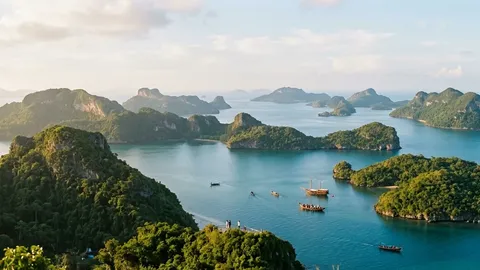 🌡 HIGH · 31°C ☀ TIMING · Poor1
Phuket
Salt air, scooter fumes, grilled squid smoke, and neon signs sit close together here.
- WEATHER
- SAFETY
-
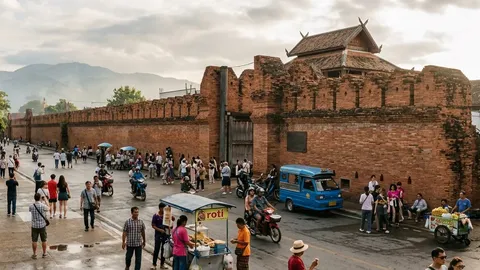 🌡 HIGH · 31°C ☀ TIMING · Good2
Chiang Mai
Ancient temples with gilded spires stand beside modern cafes serving iced coffee.
- WEATHER
- SAFETY
- CROWDS
-
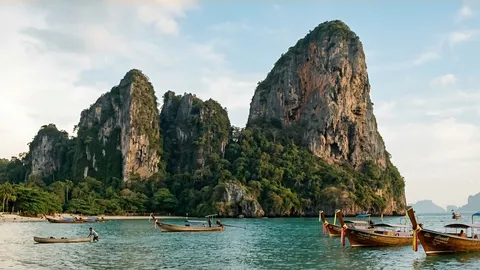 🌡 HIGH · 31°C ☀ TIMING · Good3
Krabi
Krabi feels half-road town, half-boat queue, with limestone cliffs making even errands look dramatic.
- WEATHER
- SAFETY
- CROWDS
-
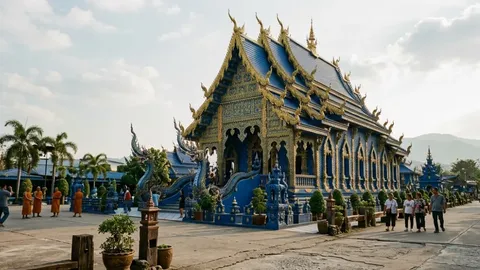 🌡 HIGH · 31°C ☀ TIMING · Good4
Chiang Rai
Known for the White Temple, but the better days are spent between villages, cafes, and hills.
- WEATHER
- SAFETY
-
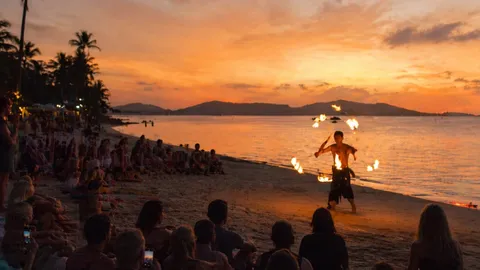 🌡 HIGH · 31°C ☀ TIMING · Good5
Koh Samui
Palm-fringed beaches, night markets, grilled seafood smoke and temple bells share the same short scooter ride.
- WEATHER
- SAFETY
- CROWDS
-
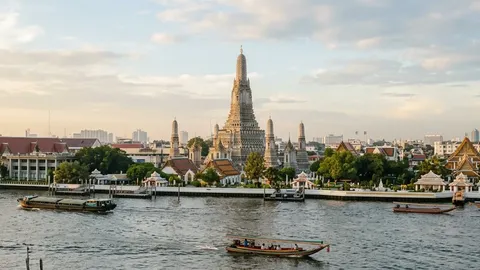 🌡 HIGH · 33°C ☀ TIMING · Good6
Bangkok
Built for travellers who like cities loud, humid, chaotic and strangely addictive after midnight.
- WEATHER
- SAFETY
- CROWDS
-
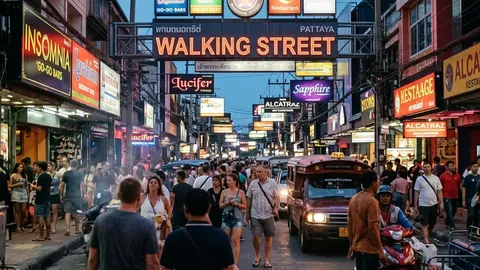 🌡 HIGH · 32°C ☀ TIMING · Good7
Pattaya
Under Pratumnak’s gold Buddha, Pattaya runs on temple bells, sea glare, and beer bar neon.
- WEATHER
- SAFETY
-
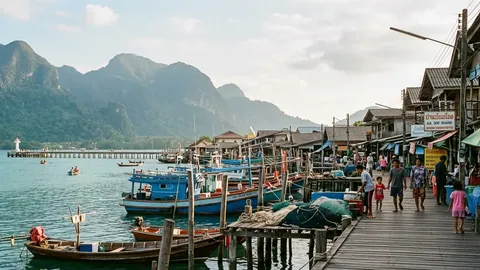 🌡 HIGH · 30°C ☀ TIMING · Poor8
Koh Chang
Salt air, steep green roads, and macaques on the verge make the drive between beaches part of the trip.
- WEATHER
- SAFETY
- CROWDS
Need to Know
- Population
- 65,951,210 DOPA · 2024 (registered)
- International visitors
- 32,974,321 (2025) -7.2% YoY MOTS · Last updated: 2026
- Annual visitors per resident
- 0.50× Annual international visitors divided by the population
Top visitor markets
- Malaysia 13.7%
- China 13.6%
- India 7.5%
- Russia 5.8%
- South Korea 4.7%
Source: MOTS · 2025
Annual visitor arrivals
- 2025 32,974,321 -7.2%
- 2024 35,546,000 +26.3%
- 2023 28,150,016 +152.4%
- 2022 11,153,026
- 2021 427,869 COVID
- 2020 6,702,396 COVID
- 2019 39,916,251
International visitor arrivals. COVID years (2020-2021) are included for completeness. Source: MOTS · Last updated: 2026
- Currency
- Thai baht (THB)
- Language
- Thai; English widely spoken in Bangkok and major tourist areas
- Tap water
- Bottled water recommended
- Time zone
- ICT (UTC+7)
- Power plug
- Type A / B / C / F / O, 220V
- Dialling code
- +66
- Driving side
- Left
- Tipping
- Not expected at local places, but upscale restaurants often add a 10% service charge. Rounding up or leaving 20-50 THB is common for good service.
- Internet
- Fast 4G and 5G in Bangkok, Chiang Mai, Phuket, and most tourist areas. Fibre and cafe Wi-Fi are usually reliable, but speeds drop on smaller islands and remote rural routes.
- Emergency
- 191 police emergency, 1155 Tourist Police, 1669 ambulance and rescue
When not to go
-
Skip Songkran if you hate chaos
Mid-Apr · shifts yearlyThailand more or less shuts into festival mode during Songkran. Roads clog with domestic travel, hotels spike in price, and entire tourist zones turn into all-day water fights whether you join or not. It's fun if you're there for the party, but terrible for a calm beach trip, cultural sightseeing, or moving around the country efficiently.
Go here instead:
- Malaysia Far calmer regional alternative during Thailand's busiest festival week.
- Indonesia Easier island travel and fewer transport disruptions during mid-April.
Thailand itineraries
Upcoming Holidays
Public holidays & observances — next 12 months
Visa & Entry
- Visa type
- Visa-free for stays up to 30 days. Thailand approved a rollback of the 60-day visa exemption scheme and is reverting most eligible countries back to 30-day visa-free stays. Some nationality-specific rules may change as the revised country list is finalized.
- Length of stay
- 30 days
- Extension
- One 30-day extension at immigration offices for 1900 THB. Extensions are no longer automatic and immigration officers may ask for proof of onward travel or a reason for staying longer.
- Passport validity
- 6 months beyond your date of entry, with at least one blank page
- Onward ticket
- Required. Airlines regularly check before boarding, and Thai immigration may ask for proof of onward or return travel.
- Tourist tax
- 300 THB tourist entry fee remains proposed but is still not in effect.
- Eligible nationalities
- Citizens of US, UK, EU countries, Canada, Australia, New Zealand, Japan, and many other countries remain eligible for visa-free entry, though the eligible country list is under review.
- Entry process
-
Immigration and entry process
All foreign nationals must complete a Thailand Digital Arrival Card (TDAC) online within 72 hours before arrival.
For US, UK, EU, AU, CA, NZ citizens, a visa is not required for stays up to 60 days for tourism, business, or urgent work, with a possible 30-day extension. You may be asked for proof of onward travel and sufficient funds upon arrival.
Source: Royal Thai Embassy
Getting To Thailand
-
Bangkok Suvarnabhumi International Airport (BKK)
35 km east of Bangkok city center
The Airport Rail Link is the fastest and cheapest way into the city if your accommodation is near a BTS or MRT station. Taxis are readily available 24/7, but expect potential traffic delays and ensure the meter is used. Grab is a reliable alternative, with upfront pricing.
-
Don Mueang International Airport (DMK)
24 km north of Bangkok city center
DMK is primarily for domestic flights and some regional international routes. Taxis and Grab are convenient, but traffic can be heavy. The A1 bus connects to Mo Chit BTS, and the A4 bus goes to Khao San Road, offering budget-friendly options.
-
Phuket International Airport (HKT)
38 km north of Patong Beach
Taxis from HKT often have fixed prices to popular areas like Patong. Grab is widely used and offers competitive pricing. The Phuket Smart Bus is the cheapest option but makes multiple stops and may not drop you directly at your hotel.
-
Chiang Mai International Airport (CNX)
3-4 km southwest of Chiang Mai Old City
CNX is very close to the city, making transfers quick and easy. Airport taxis offer a flat rate, while Grab provides convenience with upfront pricing. Red songthaews are a local, budget-friendly option, but expect shared rides and potential detours.
-
Overland from Malaysia
Several crossings available, including Padang Besar and Sungai Kolok.
The Padang Besar crossing is easily accessible by train. Be aware of potential questioning if you have a history of frequent visits to Thailand when entering from Langkawi.
-
Overland from Laos
Multiple Friendship Bridges across the Mekong River, including Nong Khai-Vientiane and Chiang Khong-Huay Xai.
The Nong Khai-Vientiane Friendship Bridge is the busiest crossing. Not all land border crossings into Laos are open to foreign nationals, and a visa for Laos may be required in advance.
-
Overland from Cambodia
Major crossings at Aranyaprathet-Poipet and Hat Lek-Koh Kong.
The Aranyaprathet-Poipet crossing is notorious for scams and long queues; it's advisable to sort out your Cambodian visa beforehand. Land borders with Cambodia have experienced tensions and closures in the past, so check current conditions.
Safety Advice
Thailand is generally safe for LGBTQ+ travelers, but public displays of affection should be kept discreet due to conservative social norms. Be aware of common scams like inflated tuk-tuk fares and be cautious of drink spiking in tourist areas.
Travel Advisories
Natural disasters
- Heavy storms from May to October can cause flooding and landslides, especially near lakes, caves, and waterfalls.
- Northern Thailand faces a risk of earthquakes and tremors.
Health & vaccinations
- Be aware that some alcoholic drinks may contain methanol, which can be fatal. Do not leave drinks unattended or accept drinks from strangers.
- Jellyfish stings near the shore, especially May to October, can be fatal. Ask locals about safe swimming areas.
Unrest & security
- Terrorist attacks are possible anywhere in Thailand, including tourist areas. Stay aware of your surroundings and local news.
- Terrorist attacks occur regularly in the four southern provinces bordering Malaysia. Avoid all but essential travel to this region.
- Avoid protests and political gatherings, as the political situation can be unpredictable.
- Criticising the Thai monarchy is illegal and carries long prison sentences. Be careful with online comments and political discussions.
Transport & infrastructure
- Thailand has a high rate of road traffic accidents, particularly involving motorcycles. Always wear a helmet and carry your passport.
- Many tourist motorcycles and scooters are unregistered and illegal for public roads. Ensure your rental is legal and insured.
- Boats between islands can sink or collide due to overloading or poor maintenance, especially in monsoon season.
- Diving schools may lack resources and safety standards. Check credentials, insurance, and equipment before diving.
Other notes
- Do not hand over your passport as collateral for rentals; companies may keep it.
- Be wary of job offers that seem too good to be true; some are scams that can lead to illegal detention.
- It is illegal to fly an unregistered drone in Thailand. Register it within 30 days of arrival.
- Carrying over 120 playing cards is illegal. E-cigarettes and vapes are also illegal and carry heavy fines or detention.
- Possessing illegal drugs carries severe penalties, including the death penalty for Class A drugs. Prison conditions are harsh.
Always check your own government's official travel advice before travelling.
Money & Payments
Carry cash for markets and transport, use cards in malls and hotels, and always pay in Thai Baht.
-
Cash Still Runs Thailand
Cash is still standard for street food, night markets, tuk-tuks, island ferries, and many family-run shops. Even in Bangkok, smaller vendors often refuse cards or add a minimum spend. Carry small 20, 50, and 100 THB notes for taxis, snacks, and 7-Eleven purchases.
-
Cards Work In Cities
Visa and Mastercard work reliably in malls, chain hotels, supermarkets, and mid-range restaurants across Bangkok, Phuket, and Chiang Mai. Smaller guesthouses and island businesses still prefer cash, and Amex acceptance is far less common outside luxury hotels.
-
ATM Fees Add Up
Thai ATMs are everywhere, including airports, malls, and most 7-Eleven areas, but foreign cards are usually charged 220 THB ($6 USD) per withdrawal. Aeon ATMs sometimes charge slightly less when available. Withdrawal limits are commonly 20,000 to 30,000 THB ($550-830 USD) per transaction.
-
Decline Dynamic Conversion
Always choose Thai Baht at card terminals and ATMs. The home-currency option uses inflated exchange rates designed to extract extra money from tourists.
-
PromptPay Access Improving
PromptPay QR payments are everywhere in Thailand, from cafes to market stalls, but most systems still require a Thai bank account. Some travellers can access it through regional ASEAN banking apps or prepaid options like KBank PAY&TOUR linked through TAGTHAi.
-
Use City Money Changers
Exchange rates are usually far better at city branches of SuperRich, Value Plus, and local exchange counters than at airports or hotels. Airport booths often give noticeably worse rates, especially for USD and EUR cash.
Costs in Thailand
Thailand remains a budget traveler's dream, especially outside the major tourist hubs. You can still find a delicious street food meal for less than a dollar, though prices have crept up slightly with increased tourism.
Supermarket prices
Send money to Thailand
Compare Providers









Save money?
Sign up for our guide on how to save money on your next trip.
SIM Cards & Data
Best option for most travellers: an eSIM you set up before you arrive. You'll be online the moment you land, with no airport queue and no tourist pricing.
Travel eSIMs Connect the second you land. Zero hassle. Skip the airport queue and paperwork. Activate before you fly and land connected. Find the best eSIM →Prefer a local SIM?
Thailand boasts extensive 4G LTE coverage across most tourist areas, with 5G readily available in major cities like Bangkok, Chiang Mai, and Phuket. While rural and mountainous regions may occasionally experience weaker signals or 3G-only zones, speeds are generally reliable for navigation, ride-hailing, messaging, and video streaming.
-
AIS
AIS is Thailand's largest network and offers strong nationwide coverage, including remote areas and islands. A 15-day unlimited data plan costs around 699 THB (about 19 USD).
-
TrueMove H
TrueMove H provides excellent 4G and 5G coverage in cities and popular beach destinations, having merged with dtac in 2023. An 8-day unlimited 5G internet plan costs about 499 THB (about 14 USD).
-
dtac
dtac, now part of True Corporation, offers good coverage in major tourist centers and competitive pricing for shorter trips. An 8-day plan with 15GB at max speed costs about 299 THB (about 8 USD).
What Thailand is Like
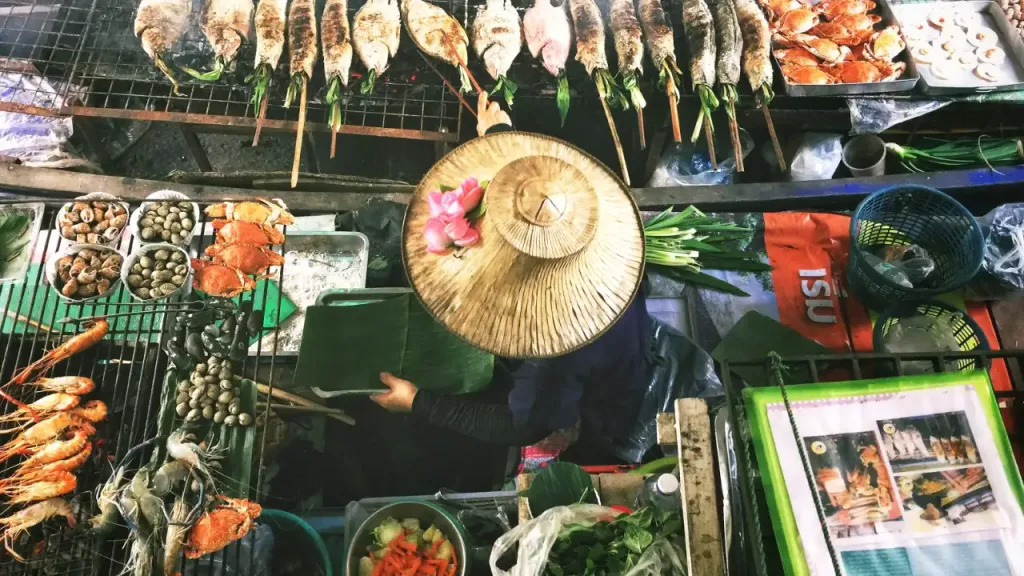
Thailand these days often feels like a country caught between its easygoing past and a future trying to balance mass tourism with local well-being. The famous Thai smile is still there, but in the heaviest tourist zones it can feel more transactional than warm. The government keeps pushing high-value tourism and year-round travel, trying to spread visitors beyond the dry season rush, but on the ground you still run into beach towns straining under the numbers. Some places are genuinely trying to shift toward slower, more sustainable tourism. Others are just trying to survive another busload arriving at sunset.
Thailand changes completely depending on where you land. The north around Chiang Mai and Chiang Rai moves at a slower pace, with cooler evenings, mountain roads, and food that leans earthy and mild compared to the south. Bowls of khao soi still justify the trip on their own, especially in small family-run spots where the curry stains the plastic tablecloth orange by lunchtime. Burning season is the catch. From March into April, smoke from agricultural fires can get bad enough that mountain views disappear entirely and people cut hikes short after a few hours outside.
Head south and the postcard version of Thailand takes over fast. Phuket, Krabi, Koh Phi Phi, and parts of Samui are built around beach traffic, boat tours, and nightlife that starts before sunset and keeps going long after the last ferry docks. The scenery still holds up when you catch it at the right hour, especially once the day-trippers clear out, but the overtourism is impossible to ignore in places where longtail boats idle bumper-to-bumper offshore. Even quieter islands like Koh Lanta feel split in two now, with laid-back beaches on one side and busy tourist strips charging European prices on the other.
Bangkok is loud, humid, messy, and far more addictive than people expect. The city works best when you stop trying to conquer it and let the day unfold around whatever alley, market, or food stall you drift into next. One hour you are wedged between office workers eating noodles under a BTS station, the next you are stuck in gridlock watching a monk scroll through his phone beside a luxury mall billboard. Street food still delivers some of the best meals in the country, even as parts of the old vendor scene keep getting squeezed by redevelopment and regulations. Digital nomads love Bangkok because the internet is fast, apartments are easy to rent short term, and daily life stays convenient even when the city feels completely unhinged.
Beyond the beach circuit and Bangkok, Isaan in the northeast feels like a different country entirely. Rice fields replace resorts, Khmer ruins sit half-empty in the afternoon heat, and dinners stretch over grilled meat, sticky rice, and enough chili to wreck anyone pretending they can handle spicy food. Foreign tourists barely scratch the surface here, which means interactions feel less polished and less transactional than in the south. Trains crawling through small provincial towns are part of the appeal. You are not racing between highlights in Isaan. You are watching farmers load sacks onto station platforms while someone hands you a plastic bag of iced coffee through the train window.
Thailand's brief cannabis free-for-all has mostly ended. Shops still exist, especially in tourist areas, but the rules tightened quickly and the legal situation keeps shifting. Public consumption can still land you in trouble, and anyone arriving expecting the anything-goes atmosphere from a couple of years ago is late to the party. The same uncertainty applies to visas. Thailand changes entry rules more often than most countries in the region, and long stays that looked straightforward a year ago can suddenly involve extra paperwork or tighter scrutiny.
Surviving Songkran
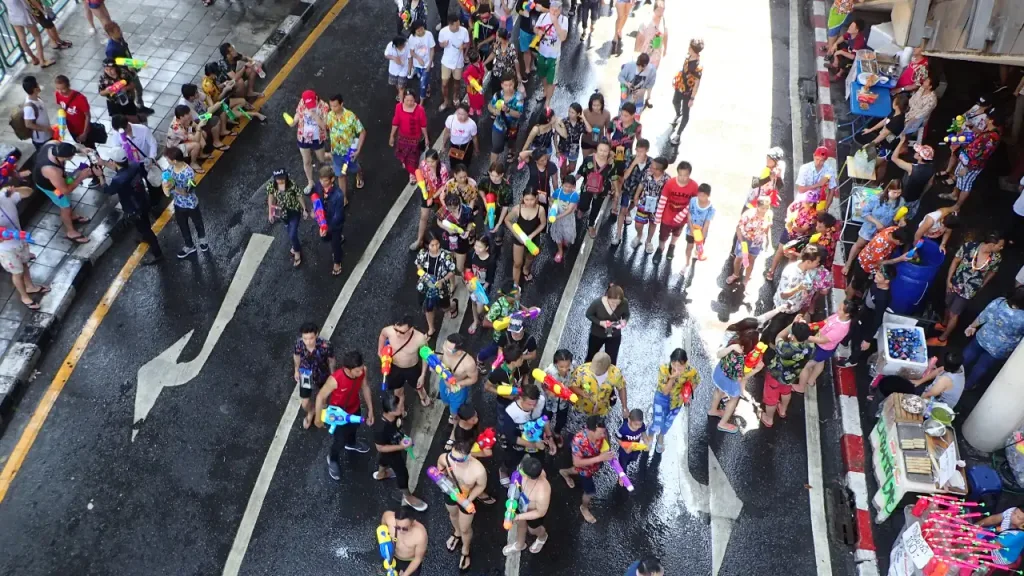
Songkran turns huge parts of Thailand into a country-wide water fight that starts before lunch and drags deep into the night. In Bangkok, pickup trucks crawl through Silom blasting Thai dance music while people on the back dump buckets of ice water onto anyone within reach. Chiang Mai gets even denser, especially around the Old City moat where traffic barely moves and every street corner becomes an ambush point. If you arrive expecting normal sightseeing, you picked the wrong week. Phones live inside plastic sleeves, taxis become scarce, and even buying snacks from a convenience store usually ends with someone firing a neon water gun straight into your chest.
The version most tourists see has drifted far from the quieter family rituals that still happen inside temples and residential neighborhoods. Along Khao San Road or Bangla Road in Phuket, Songkran feels closer to a massive outdoor nightclub with hoses, beer towers, waterproof speakers, and strangers smearing chalk paste across each other's faces. By late afternoon the streets smell like sunscreen, wet pavement, stale beer, and grilled chicken smoke drifting from food carts. It is chaotic, loud, sticky, and exhausting after a few hours. People who try to power through five straight days of it usually end up hiding in shopping malls or airport lounges looking completely cooked.
The best way to handle Songkran is to stop resisting it and structure your trip around it properly. Stay in one place instead of bouncing between islands, ferries, and domestic flights while half the country is moving at once. Smaller cities in Isaan or quieter beach towns give you a softer version where local families set up buckets outside their homes and kids refill water guns from garden hoses instead of blasting EDM from temporary stages. If you want the full insanity, Bangkok and Chiang Mai absolutely deliver. If you want calm beaches, temple hopping, or long road trips, leave Thailand until the streets dry out.
Liveability
Thailand offers an affordable cost of living and a high quality of life, particularly appealing to expats and retirees. However, infrastructure can be a challenge, with traffic congestion and pollution being notable issues in urban areas.
Sustainability
Thailand struggles significantly with plastic pollution, which clogs its beaches and oceans, harming marine life and the tourism industry. Air quality, particularly in northern cities like Chiang Mai, is a major concern due to seasonal agricultural burning and vehicle emissions, often reaching hazardous levels.
Frequently Asked Questions
Planning & moving around
-
How do you travel between cities in Thailand?
Domestic flights are efficient and widely used for intercity travel, especially for longer distances like Bangkok to Chiang Mai or the southern islands. Thai Airways, Thai Smile, and Bangkok Airways are known for reliability, while AirAsia and Nok Air offer budget-friendly options. Long-distance buses and trains are also available, particularly for routes within regions or for those on a tighter budget, though they take considerably longer. Driving yourself is generally not recommended due to chaotic traffic and varying road quality, plus you need a specific license.
-
How reliable are domestic flights in Thailand, and which airline should I use?
Domestic flights in Thailand are generally reliable and punctual, with good amenities at airports. For full-service and comfort, Thai Airways, Thai Smile, and Bangkok Airways are solid choices, often operating from Bangkok's Suvarnabhumi Airport. If you are looking for lower fares, Thai AirAsia, Nok Air, and Thai Vietjet Air are good budget options, though they might have less legroom and occasionally glitchy websites. Booking in advance and using comparison sites helps secure the best deals.
-
Do I need an International Driving Permit for Thailand?
Yes, you absolutely need an International Driving Permit (IDP) to legally drive any vehicle in Thailand, including scooters and motorbikes. Your national driving license alone is not sufficient; the IDP acts as a translation and must be accompanied by your original license. For motorbikes or scooters, your IDP must specifically have the 'A' category endorsement, regardless of the engine size.
-
How much does Thailand change between regions?
Thailand is a country of significant contrasts, with distinct differences between its northern, central, and southern regions. Northern Thailand, centered around Chiang Mai, offers a cooler climate, mountainous landscapes, ancient temples, and a focus on culture and trekking. The central region, dominated by Bangkok, is a bustling urban hub blending modern skyscrapers with historical sites. Southern Thailand is all about tropical beaches, island hopping, and marine activities, with variations in rainfall patterns between the Andaman Sea and Gulf coasts.
-
Do you need a licence to rent a scooter in Thailand?
Yes, you need a full motorcycle license from your home country, plus an International Driving Permit (IDP) with the 'A' endorsement, to legally rent and ride a scooter or motorbike of any engine size in Thailand. While some rental shops may not strictly check for the correct license, riding without one means you're uninsured and liable for fines and serious legal consequences in case of an accident.
-
Is English widely spoken in Thailand?
English is widely spoken in major tourist areas like Bangkok, Chiang Mai, Phuket, and popular islands, especially within hotels, restaurants, and tour operations. However, outside these areas and in more rural settings, English proficiency drops significantly. Translation apps are helpful for navigating local markets or communicating with non-English speakers.
-
Do I need to fill out Thailand's digital arrival card?
Thailand has been moving toward digital arrival systems, and the rules have changed more than once recently. Depending on when you travel, you may need to complete an online arrival form before boarding or before immigration. Airlines are inconsistent about checking, so do not assume you can sort it out after landing. Check the latest immigration requirements a few days before departure rather than relying on old blog posts or YouTube videos.
-
How bad is air pollution in Thailand during burning season?
In northern Thailand it can get genuinely awful. Chiang Mai and surrounding provinces regularly hit hazardous air quality levels during burning season, with smoke hanging in the mountains for weeks at a time. Some travelers cut their trips short because hiking, scooter rides, and even sitting outside become unpleasant after a few hours. Southern islands are usually a much safer bet during that period.
Safety & medical
-
What natural hazards should I plan around in Thailand?
Thailand experiences a tropical monsoon climate, which means a distinct rainy season from roughly June to October, bringing heavy downpours and potential localized flooding, especially in the North and along the Andaman coast. The southern coasts can also experience cyclones, though less frequently. Always check regional weather forecasts if you plan to travel during these months, as persistent rain can impact island travel and outdoor activities.
-
Are there any regions or areas of Thailand I should avoid entirely?
Generally, Thailand is safe for tourists, but exercise caution in the far southern provinces of Yala, Pattani, Narathiwat, and parts of Songkhla due to ongoing civil unrest and occasional violence. These areas are not typical tourist destinations and travel advisories often recommend against non-essential travel there. Stick to established tourist routes and areas for a trouble-free trip.
-
What vaccinations do I need for Thailand?
Before traveling to Thailand, ensure your routine vaccinations like MMR, polio, and tetanus-diphtheria-pertussis are up to date. Travel-specific vaccines to consider include Hepatitis A and Typhoid, both transmitted through contaminated food and water, especially if you plan on eating street food or visiting rural areas. Depending on your itinerary, Hepatitis B, Japanese Encephalitis (for longer stays or rural exposure), and Rabies (if around animals) may also be recommended. Consult a travel medicine clinic 4 to 6 weeks before your trip for personalized advice.
-
Are Thai islands safe for swimming year-round?
No, and people underestimate this constantly. During monsoon periods, beaches on the Andaman side like Phuket, Khao Lak, and Koh Lanta can get dangerous rip currents even when the water looks swimmable from shore. Red flags are there for a reason. Every year tourists ignore them and drown within sight of the beach bars.
Laws & local norms
-
What are the drug laws in Thailand?
Thailand has strict drug laws, despite some recent changes regarding cannabis. While cannabis and CBD products are decriminalized for personal use, public consumption is still illegal, and regulations are frequently updated. Possessing or trafficking other recreational drugs like ecstasy, cocaine, or heroin carries severe penalties, including lengthy prison sentences and even the death penalty. Do not assume your home country's rules apply, and avoid any involvement with illegal substances.
-
Can I vape in Thailand?
No, vaping and e-cigarettes are illegal in Thailand. This includes importing, selling, and using them. If caught, you can face significant fines and even imprisonment. It is best to leave all vaping devices and e-liquids at home to avoid any legal issues.
-
What is the dress code for temples in Thailand?
When visiting temples and other religious sites in Thailand, you must dress respectfully. This means covering your shoulders and knees, for both men and women. Avoid tank tops, shorts, mini-skirts, and revealing clothing. Many popular temples, like the Grand Palace, will deny entry if you are not appropriately dressed, though some may offer sarongs for rent. It is also customary to remove your shoes before entering the main prayer hall.
-
What is the LGBTQ+ friendliness like in Thailand?
Thailand is generally considered one of the most LGBTQ+-friendly countries in Asia, with a visible and largely accepted LGBTQ+ community, particularly in major cities and tourist areas like Bangkok, Phuket, and Pattaya. While same-sex marriage is not yet legally recognized, there is a strong social tolerance and a vibrant gay scene in many destinations. Public displays of affection might still draw stares in more conservative or rural areas, but outright hostility or harassment is rare.
-
What are common local etiquette mistakes tourists make in Thailand?
Tourists often forget to remove their shoes before entering homes or temples, which is a significant sign of disrespect. Pointing your feet at people or a Buddha image, or touching someone's head (considered sacred), are also major faux pas. Keep your emotions in check, as public displays of anger or loud behavior are frowned upon. When greeting, use the 'wai' (hands pressed together with a slight bow) and a polite 'sawasdee kha' (female) or 'sawasdee krap' (male).
-
Is it true that bringing playing cards into Thailand can cause problems?
Technically yes, though tourists almost never get stopped over it. Thailand has old gambling laws that historically restricted large quantities of playing cards because cards were tied to illegal gambling operations. Carrying a normal travel deck is not something most visitors need to worry about, but importing large amounts commercially without permission is where the law originally applied.
-
Why are there cannabis shops everywhere in Thailand now?
Thailand decriminalized cannabis, and thousands of dispensaries opened almost overnight, especially in Bangkok, Chiang Mai, Phuket, and tourist islands. A lot of them feel more like Amsterdam-style weed cafes than medical dispensaries, despite the official framing. The rules keep shifting, though, and enforcement changes fast. Public smoking still causes problems, and some shops are far more legitimate than others.
Food & drink
-
What are the best local foods to try in Thailand?
You absolutely must try Khao Soi in Northern Thailand, a creamy, rich curry noodle soup. Throughout the country, seek out Pad Thai, the iconic stir-fried noodles, and Som Tum, a spicy green papaya salad. Don't miss Khao Kha Moo (braised pork leg with rice) and Moo Ping (grilled pork skewers) from street vendors. For dessert, Mango Sticky Rice is a seasonal must-have.
-
Is vegan food easy to find in Thailand?
Yes, vegan food is increasingly easy to find across Thailand, especially in cities like Bangkok and Chiang Mai, and on popular islands. The concept of 'jay' (เจ), a strict form of vegetarianism excluding animal products, is well-understood and marked with yellow and red signs. You'll find dedicated vegan restaurants, particularly in tourist-heavy areas, and many traditional Thai dishes can be adapted by requesting no fish sauce or egg.
-
Is halal food easy to find in Thailand?
Halal food is widely available in Thailand, particularly in areas with significant Muslim populations like the southern provinces, and in major tourist destinations such as Bangkok, Phuket, Krabi, and Chiang Mai. Many restaurants and street food stalls offer halal-certified dishes, often clearly marked. In Bangkok, areas around mosques like Harun Mosque are good places to find a variety of halal cuisines, including Thai, Indian, and Malay options.
Families & kids
-
Is Thailand a good place to travel with kids?
Thailand is an excellent destination for families, offering a welcoming culture where children are often treated like VIPs. The country provides a diverse mix of activities from calm beaches and ethical elephant encounters to exciting city tours and interactive cultural experiences. While the heat and occasional long journeys can be challenging, friendly locals and a well-developed tourist infrastructure make it a joyful and memorable trip for all ages.
Staying longer
-
Do I need a VPN in Thailand?
Thailand does not block many major Western websites or services, but a VPN is still useful for a few reasons. It ensures privacy on public Wi-Fi networks in hotels and cafes, protecting your data from potential security risks. A VPN also allows you to access your home country's streaming libraries (like Netflix or banking apps) which might be geo-restricted to Thailand's local catalogue. While specific penalties for VPN use are rare, be aware that authorities can issue fines for bypassing temporary bans on social media, as happened with X in 2024.
-
Which Thai islands are better for a quieter trip?
A lot of first-time visitors accidentally book party islands and end up hating them. Phuket, Koh Phi Phi, and Koh Phangan can be exhausting if you want calm evenings and empty beaches. Koh Lanta, parts of Koh Yao Yai, and quieter stretches of Koh Samui suit slower trips much better, especially for couples or families who are not interested in beach clubs every night.
After dark
-
Is nightlife in Thailand still cheap and easygoing?
It depends where you go. Bangkok still has brilliant late-night food and bars that feel loose and spontaneous, but places like Phuket, Pattaya, and parts of Samui can feel aggressively transactional once you get near tourist nightlife strips. Scams are not constant, but padded bills, bar tab disputes, and overpriced taxis happen far more around nightlife zones than during the day.
-
Do bars in Thailand really close early now?
It depends heavily on the area and how connected the venue is. In Bangkok and Chiang Mai, official closing times exist, but some nightlife districts keep going quietly after hours while others shut almost exactly on time. Islands and beach parties are looser. Do not plan your entire night around Google Maps opening hours because they are often wrong.
Pets
-
What are the requirements for bringing pets to Thailand?
Bringing a pet to Thailand requires careful planning and adherence to specific regulations. You'll need an import permit, applied for at least 7 days and no more than 60 days before departure, from the Animal Quarantine Station at your port of entry. Pets must be at least four months old, have up-to-date vaccinations (including rabies), and possess an official health certificate endorsed by your government's veterinary authority within 10 days of travel. While quarantine is generally not required if all documents are in order, authorities can impose it for health concerns or incomplete paperwork.