
Koh Chang Right Now
Visa policy changes are taking effect soon, with the 60-day visa exemption being replaced by a 30-day allowance for many nationalities.
Asarnha Bucha Day
Khao Phansa (Buddhist Lent Day)
Interest in travel to Koh Chang fell 13% from a year ago, suggesting demand is cooling off.
Best time to visit
Off-season🌧️Monsoon season
July brings frequent rain and high humidity with average highs around 30°C (86°F), though crowds are moderate. Be aware of the monsoon season, which presents a medium risk of disruption.
SCORE BY MONTH
Visit Koh Chang between November and February for the best weather. These months offer the driest conditions and pleasant temperatures around 31°C (88°F), ideal for beaches and diving. Avoid June through September due to the monsoon season, which brings heavy rain and rough seas.
Visitor data: Tourism Authority of Thailand (TAT) International Arrivals 2023
Day-to-day in Koh Chang
Walkability
35/100
Koh Chang is walkable only in short beach-town pockets. The island is long, hilly, and road-dependent, so most useful movement needs a scooter, songthaew, or taxi.
Beach strips have patchy pavements; side roads quickly become shoulders beside traffic.
One beach base covers meals and sand, not waterfalls, viewpoints, piers, or other towns.
Scooters, songthaews, blind bends, and poor night lighting make road walking risky.
Climate works against walking for much of the year. Plan around weather windows.
-
Coworking
$77 / month
VERY AFFORDABLE -
Gym
$61 / month
AFFORDABLE
Need to Know
- Currency
- Thai baht (THB)
- Language
- Thai; English common in west coast tourist areas
- Tap water
- Not safe
- Time zone
- ICT (UTC+7)
- Power plug
- Type A / B / C / O, 230V
- Dialling code
- +66
- Driving side
- Left
- Tipping
- Not expected; round up or leave a small cash tip for good service.
- Internet
- Good 4G and 5G on the west coast; Wi-Fi varies by resort, cafe, and weather.
- Emergency
- 191 police, 1669 ambulance, 199 fire, 1155 Tourist Police
When not to go
-
Avoid Songkran ferry crush
13 Apr – 15 AprDo not move on or off Koh Chang during Songkran unless the holiday is the point. Ferry piers at Ao Thammachat and Ao Sapparot can back up with long vehicle queues, and Bangkok transfers become slower and less forgiving. Stay on the island through the rush or choose somewhere without a ferry bottleneck.
Koh Chang itineraries
Upcoming Events & Holidays
Upcoming events — next 30 days
On the horizon
Public holidays & observances — next 12 months
Dates are researched and checked, but events move. Always confirm with the official source before you book anything around them.
Getting To Koh Chang
-
From Suvarnabhumi Airport (BKK)
Main international gateway, about 300 km from Koh Chang
This is the default route for international arrivals who are not flying onward to Trat. Combined bus and ferry tickets are simpler than stitching together a city bus, pier transfer, ferry, and island songthaew after a long flight. Private cars cost more but save the most hassle for late arrivals or families.
-
From Ao Thammachat Pier
Main mainland ferry to Ao Sapparot on Koh Chang
This is the main crossing to Koh Chang and the one most travellers use. Buy tickets at the pier with cash, because advance online ferry tickets are not the normal system. Centrepoint or Trat Ferry has stopped running, so do not plan around it.
Safety Advice
While Koh Chang is generally safe for tourists, some governments advise caution due to its proximity to the Cambodian border, and travel insurance may be invalidated. Petty crime like bag-snatching can occur in crowded areas, so remain aware of your surroundings.
Common Scams
-
Scooter Damage Rental
HIGH RISKTrigger:The rental shop asks to keep your passport
After the return inspection, the operator points to old scratches or fabricates new damage, then demands THB 10000 to 50000 (USD 306 to 1531). Your passport becomes leverage if you left it as a deposit.
How to avoid: Photograph and film every panel before riding away, including tyres and mirrors. Leave a cash deposit instead of your passport, or rent elsewhere.
-
Songthaew Fare Padding
MEDIUM RISKTrigger:A driver quotes a private fare for a short beach hop
Shared songthaews are the island's default transport, but fares jump fast around White Sand Beach, Kai Bae and Lonely Beach when drivers treat a short ride as a private charter. Late-night rides cost more and leave less room to argue.
How to avoid: Agree the fare before boarding and confirm whether it is per person or per vehicle. Check posted fare boards where available and walk away from pressure.
-
ATM Skimming
MEDIUM RISKTrigger:An ATM has loose plastic, odd glue marks, or a covered keypad
Card skimmers and camera overlays target unattended machines in tourist areas across Thailand. The standard foreign-card ATM fee is annoying but legitimate, while skimming can drain an account after the withdrawal.
How to avoid: Use ATMs attached to banks during opening hours and cover the keypad. Reject dynamic currency conversion and choose to be charged in Thai baht.
Mistakes to Avoid
-
Skipping The Helmet
SERIOUS CONSEQUENCERiding without a helmet is illegal for drivers and passengers, and Koh Chang's steep bends make scooter crashes common enough to matter. The fine is minor compared with a head injury or an insurance denial.
Fix: Wear a proper helmet every ride, even between nearby beaches. If the rental shop offers a cracked helmet, rent somewhere else.
-
Ignoring Border Advisories
SERIOUS CONSEQUENCEKoh Chang itself is not the land border, but overland routes through mainland Trat and Cambodia can cross areas affected by official border warnings. That can void insurance cover and leave you stuck if crossings close.
Fix: Check your government's Thailand and Cambodia advisories before planning the Hat Lek route. Use Bangkok or Trat Airport instead when border warnings are active.
-
Drinking Tap Water
SERIOUS CONSEQUENCETap water on Koh Chang is not safe to drink, and small guesthouses often rely on tanks, wells, or local supply systems. Drinking it can put you in bed with stomach trouble instead of on the beach.
Fix: Use sealed bottled water, refill from filtered stations, or boil water before drinking. Brush with bottled water if your stomach is sensitive.
-
Wrong Temple Clothes
Temples on Koh Chang expect covered shoulders and knees. Showing up in beachwear gets you refused entry or makes you the person everyone notices for the wrong reason.
Fix: Carry a sarong or light shirt in your day bag. Dress for the temple first, then change for the beach later.
Money & Payments
Carry cash for songthaews and small stalls, use cards at resorts, and always pay in Thai baht.
-
Cash Runs The Island
Carry cash for songthaews, beach kiosks, local restaurants, markets, and small shops along the west coast. Keep THB 20, 50, and 100 notes (USD 0.61, 1.53, and 3.07), because drivers and stalls dislike breaking large bills.
-
Cards In Resorts
Visa and Mastercard work at larger resorts, dive shops, tour desks, and some restaurants in White Sand, Klong Prao, Kai Bae, and Lonely Beach. Smaller places stay cash-only, and card surcharges of 3 to 5 percent are still common.
-
ATM Fees Add Up
ATMs are easy to find around 7-Eleven, Lotus's, bank branches, and the main west coast villages. Foreign-card fees usually land around THB 220 to 250 (USD 6.75 to 7.68), while Krungsri lists THB 250 for foreign Visa and THB 350 (USD 10.75) for Mastercard. Yellow Krungsri ATMs often allow THB 30000 (USD 921) per withdrawal, which reduces repeat fees.
-
PromptPay For Tourists
Foreign visitors cannot just use normal PromptPay like a Thai bank customer. The workable route is TAGTHAi Easy Pay linked to a KBank PAY&TOUR prepaid card from a KBank foreign exchange booth, then QR payments at shops that accept PromptPay.
-
Exchange In Beach Towns
Exchange booths cluster in the main west coast areas, especially White Sand, Klong Prao, and Kai Bae. Rates beat most resort desks, and Big Money in Kai Bae is a known local option. Bring your passport for currency exchange.
-
Decline Currency Conversion
Choose Thai baht at ATMs and card terminals. Picking your home currency gives the machine or terminal the exchange rate, and that rate is usually worse than your bank's.
-
International Transfers
To send money to a bank account in Thailand, for things like rent or day-to-day expenses, services like Wise or Remitly usually offer better rates than traditional banks and faster delivery.
You'll typically need the recipient's full name, account number, and SWIFT/BIC code. Some banks may also require a local address.
Costs in Koh Chang
Koh Chang remains a budget-friendly gem compared to other Thai islands, with hostels available for around $10 a night and street food meals for just a couple of dollars. However, prices can escalate quickly at resorts, so it's wise to book accommodations in advance to secure better rates.
Save money?
Sign up for our guide on how to save money on your next trip.
SIM Cards & Data
Best option for most travellers: an eSIM you set up before you arrive. You'll be online the moment you land, with no airport queue and no tourist pricing.
Travel eSIMs Connect the second you land. Zero hassle. Skip the airport queue and paperwork. Activate before you fly and land connected. Find the best eSIM →Prefer a local SIM?
Koh Chang has solid 4G and some 5G in the main west coast beach towns, including White Sand, Klong Prao, Kai Bae, and Lonely Beach. Coverage gets weaker on inland roads, the east coast, waterfall routes, and some boat trips, so download maps before leaving the main strip. Buy and register a local SIM at Bangkok airport, Trat Airport, or a carrier shop before the ferry if you want less activation hassle; passport registration is required.
What Koh Chang is Like
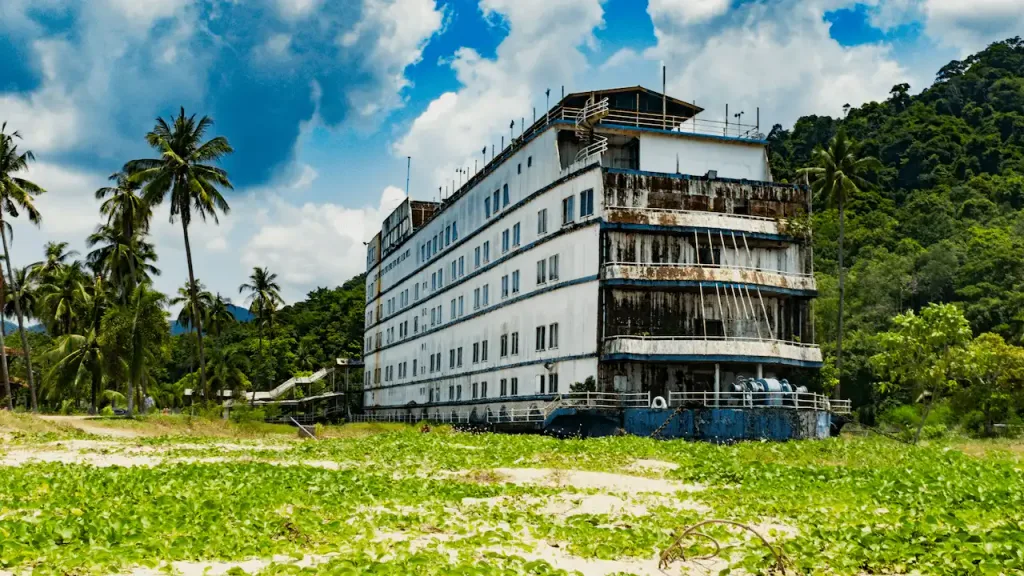
Stepping off the ferry at Ao Sapparot, the first thing that hits you about Koh Chang is the road. It is a single winding highway clinging mostly to the island's west coast, connecting the beaches, villages, and nearly every hotel people actually stay in. Forget Grab taxis or reliable public transport. Songthaews, those white pickup truck taxis, are the default, and prices climb fast after dark or during rainstorms. If you are not already comfortable riding scooters on steep mountain roads, this is not the island to learn on.
White Sand Beach, or Hat Sai Khao, is the island's busiest and most developed stretch, a long strip of resorts, minimarts, cannabis shops, and seafood restaurants aimed squarely at short-stay tourists. The northern end still has a decent beach if you get there early, but the middle section feels more like a roadside resort town than an island break. People expecting quiet tropical isolation usually start plotting a move south.
Head south, and the mood changes. Lonely Beach, despite the name, is still the island's backpacker and late-night drinking zone, with cheap rooms, tattoo shops, reggae bars, and music carrying well past midnight along the main road. It has cleaned up compared with its rougher years, but this is still the part of Koh Chang where people arrive for two nights and accidentally stay a week. Kai Bae and Klong Kloi feel calmer without turning sleepy.
The interior is what keeps Koh Chang from becoming just another west coast beach strip. Klong Plu waterfall is the easy one, busy but worth the sweat if you go before the day groups, while the smaller trails and viewpoints remind you how quickly the island turns vertical. After rain, the jungle smells of wet leaves, red mud, and scooter brakes working harder than they should. That edge is the point.
For food, Koh Chang works best when you stop chasing beachfront seafood signs and start eating where people actually live. Klong Prao has local markets, roadside curries, grilled chicken stalls, and small family restaurants that stay fairly priced compared with the west coast tourist strip. Bang Bao still draws crowds for the stilt-house setting, but too many restaurants there survive on bus groups and day-trippers rather than repeat customers. The seafood is better once you get away from the pier itself.
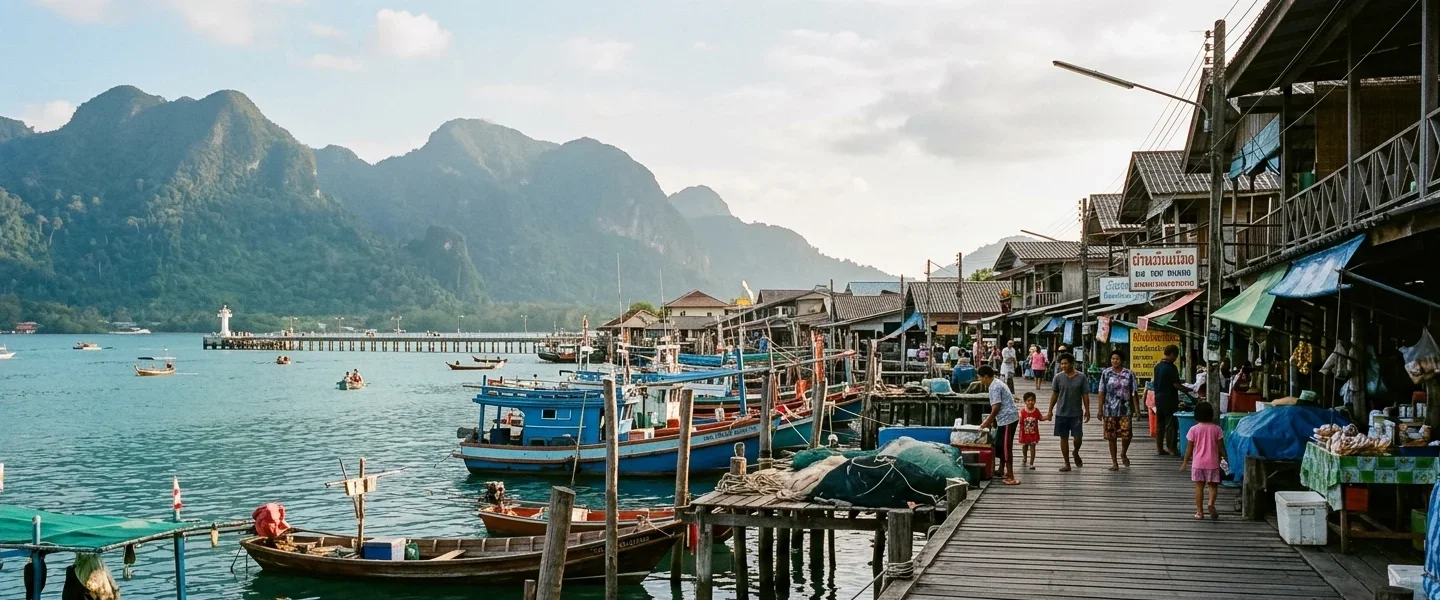
The island's east coast feels like a different place entirely. Villages like Dan Mai and Salak Kok move slower, with fishing boats, wooden houses, mangrove channels, and long quiet stretches where you can drive for minutes without seeing another tourist. This side stayed less developed partly because the beaches are weaker and the roads less convenient, which is exactly why some people end up preferring it. Koh Chang makes more sense once you leave the west coast resort strip behind.
Lonely Beach After Dark
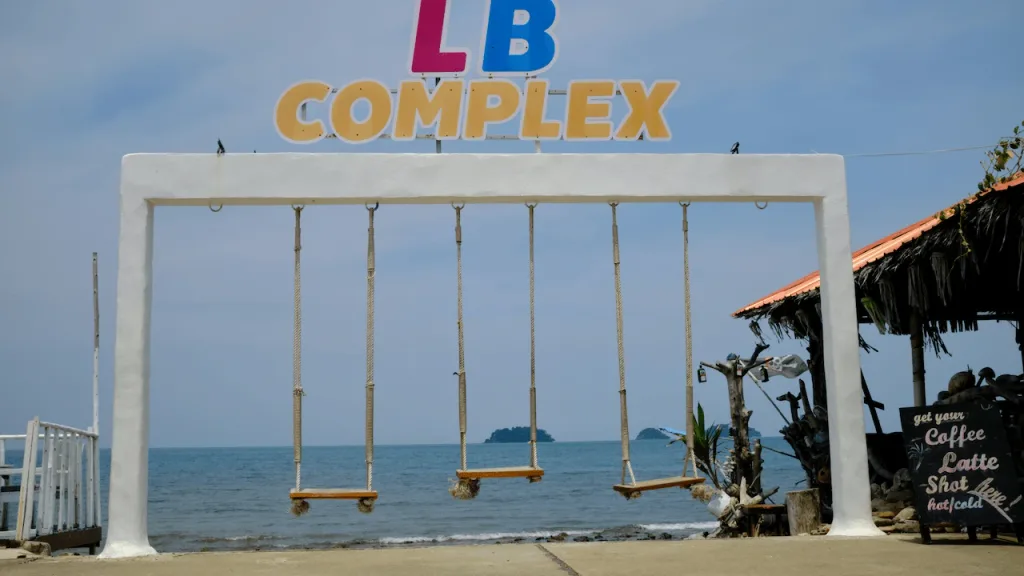
Lonely Beach is not lonely after dinner. The road behind the beach fills with scooter noise, bass from open-front bars, tattoo-shop light, and travellers doing that loose island walk between one drink and the next. It is not the wild Koh Chang of old stories, but it still carries more grit than Kai Bae or Klong Kloi. Sleep here if late nights are part of the point. Visit once if you want the island's scruffier social edge without committing to it.
The catch is that daytime Lonely Beach sells a different mood from the one you sleep with. Mornings can feel almost lazy, with laundry drying on guesthouse rails and cafe staff hosing sand off the concrete, then the same strip tightens up after dark. Music leaks through thin walls, scooters start and stop outside cheap rooms, and the main road does not forgive drunk walking. Pay for the quieter room, not the room closest to the bar.
This is the right base for solo travellers who want instant company, backpackers watching cash, and people who would rather eat late than sit inside a resort. It is the wrong base for couples chasing soft sleep, families, remote workers with early calls, or anyone hoping the name means peace. For one night, Lonely Beach still makes sense. For a whole trip, know your tolerance.
Areas of Koh Chang
- Local life, villas, ferry access
Klong Son
Klong Son sits near the ferry and feels more residential than resort-led, with roadside food, local shops, and villa developments tucked into the hills. Beach access depends heavily on where you sleep because much of the shoreline is tied to private compounds. The upside is less west coast traffic and an easier exit on travel days. Without your own wheels, it gets small fast after sunset.
Good for: Villa stays, longer trips, avoiding the busiest beach strips.
Skip if: You want walkable nightlife or easy public beach access.
- Rocky shore, quiet nights, snorkelling
Pearl Beach
Pearl Beach works for travellers who want breathing room near White Sand Beach without sleeping inside the busiest strip. The shoreline is rocky rather than sandy, which keeps crowds away and makes swimming less simple. Small resorts and villas sit back from the road, but traffic noise still carries through the greenery. You trade beach quality for calm.
Good for: Quiet nights, snorkelling, staying between major beach areas.
Skip if: You want soft sand and long beach walks.
- Families, long beach, quieter resorts
Klong Prao Beach
Klong Prao Beach is Koh Chang's easiest answer for families and travellers who want space without feeling stranded. The beach stretches long and low, broken by river mouths that split the area into quieter pockets rather than one continuous strip. Water stays shallow far out, which suits floating, children, and lazy afternoons more than serious swimming. Stay toward the southern end if you want restaurants nearby without sleeping on the main road.
Good for: Families, slower beach days, resort stays without party noise.
Skip if: You want nightlife or a walkable bar scene after dark.
- Balanced, sunsets, beach bars
Kai Bae Beach
Kai Bae Beach is the practical middle ground between White Sand's package-tour strip and Lonely Beach's late-night spillover. The main road has cafes, cannabis shops, massage rooms, small bars, and enough dinner choices to stay put for a few nights. Low tide exposes rocks and pulls the water back, so the beach often looks better than it swims. Choose it for sunsets and easy evenings, not for the island's cleanest sand.
Good for: Couples, mixed beach and nightlife trips, sunset bars.
Skip if: You want deep swimming water directly off the beach.
- Boat trips, diving, seafood
Bang Bao
Bang Bao revolves around the pier before it revolves around the sea. Dive boats, snorkelling trips, souvenir stalls, and seafood restaurants dominate the long wooden walkway from morning onward. Klong Kloi Beach nearby gives you the actual swimming base, while the pier itself works better as a launch point than a place to linger. Stay here when boats are the point of the trip.
Good for: Diving trips, island hopping, seafood dinners near the pier.
Skip if: You want a proper beach town or quiet evenings.
- East coast, local life, quiet roads
Dan Mai
Dan Mai feels closer to a working Thai town than a beach resort area, with local restaurants, schools, government offices, and little west coast polish. The shoreline is narrow and muddy in places, so classic beach days are not the reason to stay here. What you get instead is quiet road access to the east coast, inland waterfalls, and a slower island rhythm. Nights are very quiet.
Good for: East coast exploring, local food, quiet longer stays.
Skip if: You want beach bars, nightlife, or resort infrastructure.
- Fishing village, mangroves, remote
Salak Phet
Salak Phet sits deep in the southeast, around fishing boats, mangroves, fruit farms, and roads that feel far from the ferry crowds. Most visitors pass through for seafood, kayaking, or a slow drive, but staying here gives you a Koh Chang that barely overlaps with the west coast. Shops and restaurants thin out fast once the day traffic leaves. That is the appeal.
Good for: Seafood, mangrove trips, escaping the tourist coast.
Skip if: You want beaches, nightlife, or quick access around the island.
- Remote beach, isolation, unplugged
Long Beach
Long Beach feels cut off from the rest of Koh Chang even now that the road south is fully paved. The final approach twists through jungle hills before dropping onto a quiet beach with only a handful of places to stay. Shops, restaurants, and easy transport are not part of the deal here. Once you arrive, you stay put.
Good for: Isolation, empty beaches, slow unplugged trips.
Skip if: You need reliable transport, nightlife, or lots of dining options.
Frequently Asked Questions
Planning & moving around
-
How many days do you need in Koh Chang?
Three full days is the minimum that feels like a trip rather than a transfer exercise. That gives you one beach day, one waterfall or jungle day, and one south or east coast loop. A week works better if you want diving, a quieter base, or time to wait out rain.
-
Do you need a licence to rent a scooter in Koh Chang?
You need a proper motorcycle licence and an international driving permit to ride legally. Rental shops often hand over scooters with less, but that does not protect you after a crash, police stop, or insurance claim. Koh Chang's hills and bends make it a bad place to learn.
-
What are the best day trips from Koh Chang?
The strongest day trips are boat days to Koh Rang for snorkelling or diving, plus runs toward Koh Mak and Koh Kood when operators are running. The underwater scenery is the point, not the boat ride, so skip it in rough weather or when visibility is poor. If you get seasick easily, use the day for Klong Plu, Bang Bao, or the east coast instead.
-
Which markets are worth visiting on Koh Chang?
White Sand Beach and Klong Prao are the easiest market areas for street food, fruit, snacks, and cheap holiday clutter. They suit dinner grazing more than serious shopping. For a more local feel, look east toward Dan Mai or Salak Phet, but do not build a whole evening around them unless you have transport.
-
Where can you store luggage on Koh Chang?
Your hotel or guesthouse is the safest answer for a few hours after checkout. Pier storage is not something to rely on for valuables, and the island has no polished left-luggage system like a big station or airport. If you have a late transfer, book a room near your departure side or pay for a late checkout.
-
Do you need a VPN in Koh Chang?
You do not need a VPN for normal browsing in Koh Chang. It is useful for hotel and cafe Wi-Fi, banking, work logins, and streaming accounts tied to your home country. Treat it as basic travel tech, not a Koh Chang-specific requirement.
-
What is the biggest first-timer mistake in Koh Chang?
The big mistake is booking the wrong beach and assuming you can fix it by walking around. Koh Chang is long, hilly, and broken into separate strips, so your base shapes the whole trip. Choose the beach for your nights first, then plan day trips around it.
-
What do tourists get wrong about Koh Chang?
They treat it like a smaller, simpler Phuket. Koh Chang is less polished, harder to move around, and much more shaped by jungle roads and ferry logistics. That roughness is the draw if you plan for it, and the irritation if you do not.
-
Can you get around Koh Chang without a scooter?
Yes, but your base matters. Shared songthaews cover the main west coast road, but they get less convenient late at night and thin out away from the tourist strips. Stay in White Sand, Kai Bae, or Klong Prao if you do not want to ride.
-
Does Grab work on Koh Chang?
Do not rely on Grab as your transport plan. Koh Chang runs mainly on songthaews, hotel transfers, rental scooters, and private drivers. If you need predictable movement, ask your hotel for a driver or base near the places you will use every day.
-
How rough is the ferry crossing to Koh Chang?
Most crossings are short and uneventful during calm weather, but the sea gets rough fast during stormy periods. Cars, buses, and scooters all board the same ferries, so loading times can drag during Thai holiday weekends. If you get motion sick easily, sit outside and avoid the lower enclosed deck.
-
Can you get around Koh Chang without renting a scooter?
Yes, but it gets annoying and expensive faster than people expect. Songthaews run along the west coast road, though prices climb after dark and drivers rarely leave until enough passengers pile in. Staying in one beach area works fine without a scooter. Constant beach-hopping does not.
Safety & medical
-
Is it safe to walk around Koh Chang at night?
Walking inside White Sand, Klong Prao, Kai Bae, or Lonely Beach is usually fine if you stay on the main strip. Walking between beaches after dark is the bad idea: roads are narrow, poorly lit, and full of scooters and songthaews. Take a songthaew for inter-beach moves at night.
-
Are there areas in Koh Chang you should avoid?
There are no no-go neighbourhoods in the usual city sense. The real places to avoid are dark road sections between beaches, steep scooter bends after rain, and Lonely Beach bars if you want a quiet night. Pick your base for the evening you want, not just the beach photo.
-
Do you need travel insurance for Koh Chang?
Yes, mainly because of scooters, diving, boat trips, and transfer logistics. A small crash on the west coast road can become expensive fast, and serious care often means moving to Trat. Check that your policy covers motorcycle riding, diving depth, and medical evacuation.
-
What happens if you get sick in Koh Chang?
For minor problems, use pharmacies in the main west coast villages. Koh Chang has clinics for basic care, but anything serious often means a transfer to Trat, where private hospital care is stronger. Call 1669 for medical emergencies.
-
Can you drink the tap water in Koh Chang?
No. Use bottled, boiled, or filtered water, especially in small guesthouses that rely on tanks or local supply. Ice in busy restaurants is usually factory-made and fine, but skip sketchy self-serve water jugs if your stomach is sensitive.
-
Are mosquitoes a problem in Koh Chang?
Yes, especially around mangroves, jungle edges, standing water, and after rain. Dengue exists in Thailand, so treat mosquito bites as more than a mild annoyance. Use repellent in the late afternoon and pack it before heading to waterfalls or the east coast.
-
Are Koh Chang's beaches safe for swimming?
Most west coast beaches are calm enough for casual swimming during dry weather, especially Klong Prao and Kai Bae. Conditions change quickly during rough weather, with stronger currents and floating debris after heavy rain. White Sand Beach also gets surprisingly shallow in places, especially at low tide.
Laws & local norms
-
What are the drug laws in Koh Chang?
Do not treat Koh Chang's cannabis shop signs as a green light for anything else. Thailand has tightened cannabis flower rules around medical use, and public smoking remains a legal problem. Other recreational drugs carry serious penalties, so the island's relaxed look is not the law.
-
Can you vape in Koh Chang?
No. Vapes, e-cigarettes, pods, e-liquids, and heat-not-burn devices are illegal in Thailand, including Koh Chang. Tourists can face confiscation, fines, detention, and court proceedings, so leave the device at home.
Money & costs
-
Is Koh Chang expensive compared with other Thai islands?
Koh Chang is not the most expensive Thai island, but transport can feel overpriced because choices are limited. Food and rooms can still be fairly priced away from the most tourist-facing strips. The sneaky cost is moving between beaches, not eating dinner.
Culture & etiquette
-
How much English is spoken in Koh Chang?
English is common in hotels, dive shops, tour desks, and restaurants along the west coast. It drops quickly in local villages, east coast areas, and roadside food stalls. Learn a few Thai basics and use maps or saved hotel names for transport.
Food & drink
-
Where do locals eat in Koh Chang?
Look away from beachfront seafood signs and toward roadside stalls, market food, and small family restaurants in Klong Prao, Dan Mai, and Salak Phet. Bang Bao is useful for seafood, but the pier restaurants can feel aimed at day-trippers. The better meals are often beside the road, not over the water.
-
Where can you eat late at night in Koh Chang?
White Sand Beach and Lonely Beach are the easiest places to find late food. White Sand has convenience stores and basic Thai restaurants on the main strip, while Lonely Beach bars often keep serving food into the drinking hours. Outside those areas, eat earlier or expect very thin options.
-
Is seafood in Bang Bao actually worth it?
Some of it is. The restaurants directly on the pier survive mostly on tour traffic, and menus start looking identical after the third place. Walk further away from the pier entrance or eat on the east coast instead if seafood is a big part of your trip.
Families & kids
-
Is Koh Chang good for families with kids?
Koh Chang works for families who mostly want beach, pool, and slow days in one area. Klong Prao is the easiest fit because the beach is wide and the mood is calmer than White Sand or Lonely Beach. The hard part is movement: strollers, dark roads, and scooter traffic make casual wandering a chore.
-
Is Koh Chang manageable with a stroller?
Only inside resorts and a few short beach-town pockets. Main roads often lack usable sidewalks, beach sand gets soft, and many restaurants sit behind uneven paths or steps. Bring a carrier for younger children and plan to use songthaews.
-
What if a child gets sick in Koh Chang?
Start with a pharmacy or local clinic for minor fever, bites, stomach trouble, or cuts. For anything that looks serious, move toward Trat rather than waiting for island facilities to solve it. Travel insurance matters more here than on a city break.
Staying longer
-
Which area should you stay in on Koh Chang?
White Sand Beach is easiest for first-timers who want restaurants, bars, minimarts, and simple logistics. Klong Prao is better for families and long beach days, Kai Bae is the balanced middle, and Lonely Beach is for late nights and cheap rooms. The east coast is quiet and local, but it punishes travellers who want easy transport and lots of dining choices.
-
Is Koh Chang good for digital nomads?
Koh Chang works for remote work in short stretches, not as a serious nomad base. Internet is decent in the main west coast areas and a few cafes or cowork-style spaces exist, but the scene is thin and social infrastructure is limited. Come for island time with work attached, not for a deep remote-work network.
-
Do hotels on Koh Chang have reliable internet and power?
Internet is decent in most established resorts along the west coast, but reliability drops once you head toward remote east coast areas or isolated bungalows. Power cuts still happen during heavy storms, especially in quieter parts of the island. If you work remotely, avoid assuming every beachfront bungalow has stable WiFi just because the photos look polished.
After dark
-
What changes after dark in Koh Chang?
The island gets smaller after dark because the roads between beaches become the problem. White Sand and Lonely Beach stay useful for bars and late food, while Kai Bae and Klong Prao quiet down earlier. Songthaews cost more at night, so sleep near the evening you want.
-
Where do nights go wrong in Koh Chang?
Scooters, alcohol, and dark roads cause the worst nights. Songthaew overcharging is irritating, but a crash near Kai Bae or Lonely Beach is the real trip-ender. Drink near where you sleep, then walk a short strip or take a ride.
-
Where is the best nightlife in Koh Chang?
White Sand Beach has the broadest mix of bars, live music, beach restaurants, and late-night convenience. Lonely Beach is still the backpacker late-night strip, with louder bars and a looser crowd. Kai Bae is better for sunset drinks and an easier bedtime.
-
Does Koh Chang have a red-light district?
No, Koh Chang does not have a named red-light district like Bangkok or Pattaya. Some girly bars and suggestive massage places sit around parts of White Sand Beach and Lonely Beach, but they are easy to avoid. Stay in Klong Prao, Kai Bae, or the east coast if you want nights without that scene.
-
Do beach bars in Koh Chang stay noisy all night?
Only in certain areas. Lonely Beach still carries late-night music well past midnight, especially near the main backpacker strip, while Klong Prao and much of Kai Bae calm down earlier. Picking the wrong hotel block matters more than picking the wrong beach.
Adventure
-
Is snorkeling from the beach worth it on Koh Chang?
Not really, at least not compared to the boat trips people imagine. Most west coast beaches have sandy bottoms with limited coral close to shore, and visibility changes constantly with tides and weather. The better snorkeling sits offshore around nearby islands, which is why most worthwhile trips leave early by boat.
Wildlife
-
Are there monkeys on Koh Chang?
Yes, especially along quieter roadside sections and near waterfalls. They are entertaining for about thirty seconds and then become aggressive food thieves. Do not leave bags open on scooters or feed them unless you enjoy being surrounded immediately.
Accessibility
-
Is Koh Chang suitable for travellers with mobility issues?
Not particularly. Many hotels sit on hillsides with steep paths, uneven steps, and little separation from the main road. Even simple things like crossing the road in White Sand Beach or getting into a songthaew can become frustrating fast.