
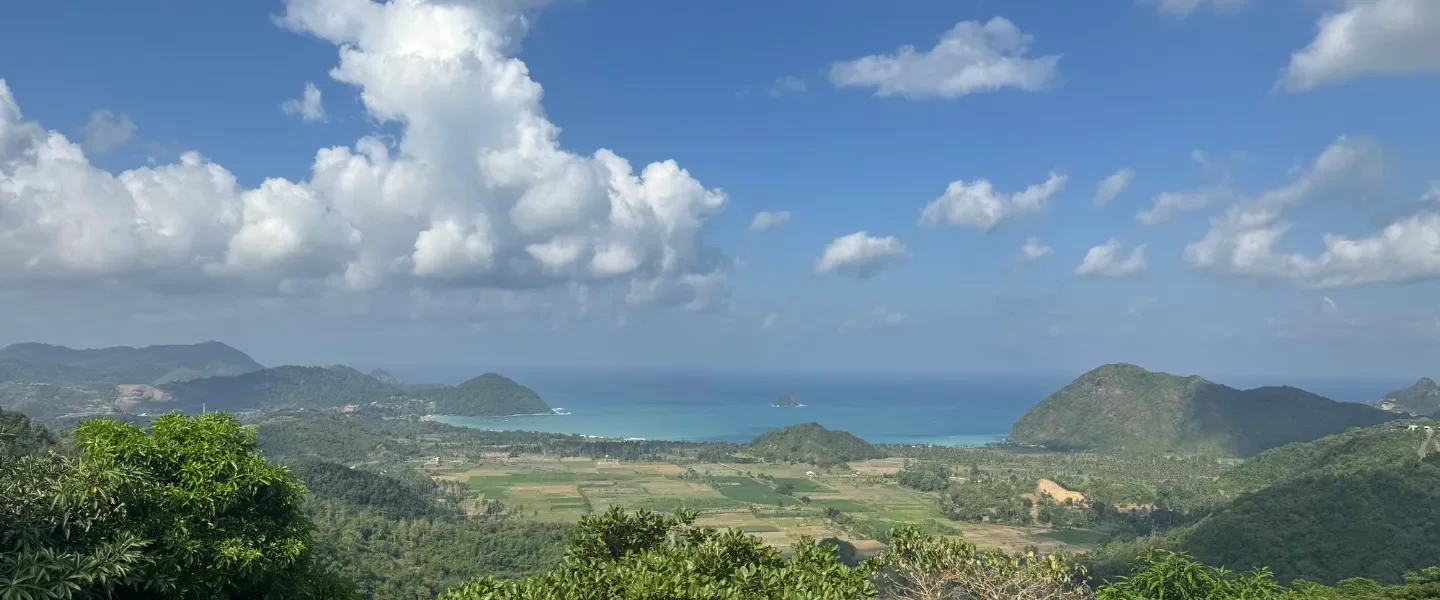
Lombok Right Now
Haze affecting visibility across Lombok, particularly during early morning hours, due to dry season conditions and suspended dust particles.
Lombok Open Golf Tournament · Sire Beach, North Lombok
Interest in travel to Lombok remained about the same as a year ago, suggesting demand is holding steady.
Best time to visit
Great time to visit
July offers pleasant weather with average highs around 30°C (86°F) and only a few rainy days, with visitor numbers being moderate. Pack light clothing and reef-safe sunscreen for exploring the islands.
SCORE BY MONTH
Visit Lombok between July and September for the driest weather and best conditions for beaches, surfing, and hiking. Avoid January, February, and December when heavy rain is common. While these months are drier, they also see the highest visitor numbers.
Day-to-day in Lombok
Walkability
30/100
Walking in Lombok's tourist zones means dodging motorbikes on narrow, often absent sidewalks. Reaching shops or restaurants usually requires a scooter or car.
Paved paths are rare and often blocked by parked scooters, vendors, and uneven surfaces.
Basic amenities are a long walk away from most tourist accommodations, requiring transport.
Motorbikes dominate roads with little regard for pedestrians, making crossings perilous.
Climate works against walking for much of the year. Plan around weather windows.
-
Monthly cost
$990 / month
AFFORDABLESolo mid-range stay including rent, daily eating out, groceries, and routine costs.
-
SURF
Lombok offers consistent waves all year. Selong Belanak is great for beginners, while Desert Point has world-class barrels for advanced surfers. Kuta Lombok is the main surf hub.
-
Coworking
$92 / month
VERY AFFORDABLEKuta Lombok has a growing coworking scene with several dedicated spaces. South Lombok Cowork and KARIA by TIKA Lombok are popular options, offering reliable internet and 24/7 access.
-
Gym
$27 / month
VERY AFFORDABLEGym memberships are cheap at $29/month. You'll find commercial chains and some hotel gyms. Kuta Lombok has options like Xeno Fit Gym, which is building a coworking space.
Need to Know
- Population
- 3,758,631 BPS · 2020 Census
- Currency
- Indonesian Rupiah (IDR)
- Language
- Bahasa Indonesia, English common in tourist hubs
- Tap water
- Not safe to drink
- Time zone
- GMT+8 (WITA)
- Power plug
- Type C / F, 230V
- Dialling code
- +62
- Driving side
- left
- Tipping
- Tipping is not mandatory in Lombok, as many larger establishments include a service charge of 5-10%. For smaller restaurants or exceptional service, a 5-10% tip is appreciated. For bellmen, Rp 500-2,000 is customary, and rounding up taxi fares is common.
- Internet
- Lombok has decent 4G coverage in main tourist areas like Senggigi, Kuta, Mataram, and the Gili Islands. Telkomsel generally offers the widest and most reliable coverage, with some areas also having growing 5G. Connectivity can be unreliable in rural and mountainous regions.
- Emergency
- 112 (all services), 110 (police), 113 (fire), 118/119 (ambulance)
When not to go
-
MotoGP week overwhelms Kuta Lombok
Late Sep – Oct · shifts yearlySkip Lombok during MotoGP week unless you are coming specifically for the race. Hotels around Kuta Mandalika jump hard in price, roads jam with shuttle buses and scooters, and beaches that normally feel quiet turn into parking lots by midday. Even travelers staying far from the circuit feel it because airport traffic and domestic flights spike across the island. For a calmer surf-and-beach trip, head to Sumbawa or stay in quieter parts of Bali instead.
-
Avoid Gili ferries in rough seas
Jan – FebFast boats between Bali, Lombok, and the Gilis become unreliable during rough sea periods. Crossings get cancelled last minute, harbors back up with stranded travelers, and the ride itself can turn miserable even when boats still operate. People planning tight island-hopping schedules get hit hardest because one cancelled crossing wrecks everything downstream. If you want reliable transport during this period, stay mainland-side around Lombok instead of bouncing between islands.
Go here instead:
- Lombok Best to avoid boats and fly into Lombok instead.
Lombok itineraries
Upcoming Events & Holidays
Upcoming events — next 30 days
On the horizon
Public holidays & observances — next 12 months
Dates are researched and checked, but events move. Always confirm with the official source before you book anything around them.
Getting To Lombok
-
Lombok International Airport (LOP)
18 km north of Kuta Lombok, 50 km southeast of Senggigi, 35 km southeast of Mataram
Official airport taxis use a meter, but some drivers may try to negotiate a fixed fare; insist on the meter or agree on a price beforehand. Grab and Gojek operate from a designated pick-up point near KFC. For the Gili Islands, you'll need a combination of land and sea transfer, typically a taxi to Teluk Nare or Bangsal Harbour, followed by a speedboat.
Direct flights to Lombok
Serves 12 direct destinations, 2 international and 10 domestic, about 43 flights a day.
International 2- Kuala Lumpur KUL Malaysia
 AirAsia
  Malindo Air
  Lion Air 1-2/day
 - Singapore SIN Singapore
 Scoot 1-2/day
Within Indonesia 10
- Bali DPS
 TransNusa
  Wings Air 13/day
 - Jakarta CGK Batik Air
 Citilink
  Garuda Indonesia
  Super Air Jet TransNusa Lion Air
  Pelita Air 9/day
 - Surabaya SUB Citilink Lion Air Super Air Jet 5/day
- Bima BMU Wings Air 3/day
- Labuan Bajo LBJ Wings Air 3/day
- Sumbawa SWQ Wings Air 1-2/day
- Sumba WGP Wings Air 1-2/day
- Yogyakarta YIA Super Air Jet ~1/day
- Balikpapan BPN Super Air Jet 4/week
- Makassar UPG Lion Air 4/week
Nonstop routes only. Flights per day are an average, each way. Data: AeroDataBox, updated July 2026.
Visa rules apply at the country level. See visa advice for Indonesia. -
-
Ferry from Bali (Padang Bai)
Public ferry to Lembar Port, Lombok; fast boats to Bangsal or Senggigi
The public ferry is the cheapest option but can be slow and unpredictable. Fast boats are significantly quicker and more convenient, arriving at ports closer to popular tourist areas. Be wary of touts at Padang Bai trying to sell overpriced 'official' tickets for the public ferry; buy directly from the official ticket booth.
Safety Advice
Lombok is generally safe, but exercise caution regarding road safety, especially when renting motorbikes, and be aware of ocean hazards on the south coast. There are also risks of petty theft and drink spiking in tourist areas, so stay vigilant.
Common Scams
-
Methanol-laced alcohol
HIGH RISKTrigger:A beach bar sells suspiciously cheap cocktails or local arak
Counterfeit spirits containing methanol still appear in parts of Lombok and the Gili Islands, especially in very cheap cocktails and unlabelled arak. Victims have suffered blindness, organ failure, and death after drinking contaminated alcohol.
How to avoid: Stick to reputable bars, sealed branded bottles, and drinks opened in front of you. Be suspicious of unusually cheap spirits or free shots pushed aggressively by staff.
-
Money changer short-changing
MEDIUM RISKTrigger:The cashier recounts your rupiah unusually fast while chatting
Some independent money changers use distraction techniques and quick counting tricks to remove bills before handing over the final stack. Reports still surface around Senggigi and tourist strips near the Gilis departure points.
How to avoid: Use banks, ATMs, or licensed changers with posted rates and proper counters. Count the money yourself slowly before leaving the desk.
-
Motorbike rental damage
HIGH RISKTrigger:The rental shop barely checks the scooter before handing over keys
Some rental operators blame tourists for existing scratches or mechanical damage after return and demand inflated repair costs. In worse cases, owners recover the scooter with a spare key and claim it was stolen, leaving travellers facing replacement demands worth tens of millions of rupiah.
How to avoid: Photograph and film the scooter from every angle before riding away, including the odometer and existing scratches. Avoid shops that hold passports as collateral or refuse written agreements.
-
Fake Rinjani trekking guides
HIGH RISKTrigger:A guide offers a cheap trek without permits or registration
Unlicensed guides around Senaru and Sembalun advertise cheap Rinjani treks without proper permits, equipment, or safety support. Some groups have been abandoned mid-route or pressured into extra payments during the hike.
How to avoid: Book through licensed trekking operators with verified reviews and registered guides. Confirm park permits and equipment are included before paying.
-
Harbor porter overcharging
LOW RISKTrigger:A porter grabs your luggage before you agree on a price
At Bangsal Harbor, aggressive porters sometimes carry bags without consent and then demand inflated fees at the boat entrance. Tourists have been pressured for Rp 100,000 to Rp 200,000 for a walk lasting a few minutes.
How to avoid: Carry your own bags if possible and refuse help clearly before anyone touches your luggage. If you do want assistance, agree on the exact price first.
Mistakes to Avoid
-
Not wearing a helmet
SERIOUS CONSEQUENCEIndonesian law requires both riders and passengers to wear helmets that meet national standards. Police checkpoints are common around Senggigi, Kuta Lombok, and the Gili ferry ports, and crashes without a helmet regularly lead to serious head injuries and denied insurance claims.
Fix: Wear a properly fitted helmet every time you ride, including short trips between beaches or villages. Rental shops often hand out damaged helmets, so inspect the strap and shell before accepting one.
-
Overstaying your visa
SERIOUS CONSEQUENCEIndonesia charges an overstay fine of Rp 1,000,000 per day, even if you miss the expiry by a few hours. Longer overstays can lead to detention, deportation, and bans on re-entering Indonesia.
Fix: Track your visa expiry date yourself and apply for extensions before the final week. Do not rely on a villa owner, surf camp, or WhatsApp agent to handle it correctly.
-
Inappropriate dress in public
Lombok is more conservative than Bali, especially in Sasak villages and outside tourist beach areas. Walking through towns shirtless or in swimwear away from the beach can cause offence and sometimes gets travellers refused entry to mosques or village events.
Fix: Cover your shoulders and knees when visiting villages, mosques, markets, or inland areas. Beachwear is generally accepted on the Gilis and around surf beaches, but not far beyond them.
-
Drinking tap water
SERIOUS CONSEQUENCETap water in Lombok is not considered safe to drink. Travellers regularly end up with stomach infections from untreated water, poorly maintained refill stations, or ice from small roadside stalls.
Fix: Drink sealed bottled water or refill from reputable stations with high turnover. Use bottled water for brushing your teeth if you have a sensitive stomach.
-
Using your left hand
In Sasak and Indonesian culture, the left hand is traditionally associated with bathroom use. Handing over money, food, or gifts with it can come across as rude, especially with older locals.
Fix: Use your right hand for greetings, eating, and passing items whenever possible. If both hands are occupied, a quick apology and smile usually smooths it over.
-
Underestimating Rinjani conditions
SERIOUS CONSEQUENCEMount Rinjani is not a casual sunrise hike. Trekkers regularly suffer dehydration, hypothermia, or injuries after attempting the climb in poor shoes or without enough water.
Fix: Bring warm layers, proper hiking shoes, and more water than you think you need. Skip the trek entirely if you are badly hungover, sleep deprived, or unfit.
-
Flying drones in national parks
SERIOUS CONSEQUENCEMount Rinjani National Park restricts drone use and periodically cracks down on noisy drones and portable speakers on trekking routes. Rangers have confiscated equipment and tour operators can lose permits after repeated violations.
Fix: Check current park rules before bringing a drone onto a Rinjani trek. If drone flights are allowed during your visit, avoid flying near campsites, summit queues, or wildlife areas.
Money & Payments
-
Cash Dominates Daily Spending
Cash is essential for many transactions in Lombok, especially for street food, local markets, small shops, beach vendors, and transportation like local taxis and ojeks. Carry smaller denominations (Rp 10,000, 20,000, 50,000) to make payments easier and avoid issues with vendors not having change.
-
Cards Accepted in Tourist Hubs
Most hotels, nicer restaurants, and larger shops in tourist areas like Kuta, Senggigi, and Mataram accept Visa and Mastercard. Some establishments may have a minimum spend for card payments or add a small surcharge, typically 1-3%.
-
ATMs Widely Available in Towns
ATMs are common in major towns and tourist centers such as Mataram, Senggigi, and Kuta. You'll find machines from major Indonesian banks like Bank Mandiri, BCA, BNI, and BRI.
-
ATM Limits and Fees Vary
ATM withdrawal limits typically range from 1,250,000 IDR to 3,000,000 IDR (approximately $80 to $190 USD) per transaction. While some ATMs, like BCA and BNI, may not charge a local access fee, others, including Mandiri, might charge around 50,000 IDR.
-
Avoid Card Currency Conversion
When using an ATM or paying with a card, always choose to be charged in Indonesian Rupiah (IDR). Opting for your home currency triggers Dynamic Currency Conversion (DCC), which results in unfavorable exchange rates and additional fees.
-
QRIS Payments are Common
QRIS (Quick Response Code Indonesian Standard) is widely used by local vendors and shops. While common, using QRIS often requires a local Indonesian e-wallet app, which may not be practical for short-term visitors.
-
Exchange at Reputable Bureaux
Currency exchange facilities are available in tourist centers and cities like Kuta and Mataram. Banks generally offer better rates than airport or hotel exchange counters. Ensure banknotes are in good condition as some vendors may refuse damaged currency.
-
International Transfers
To send money to a bank account in Indonesia, for things like rent or day-to-day expenses, services like Wise or Remitly usually offer better rates than traditional banks and faster delivery.
You'll typically need the recipient's full name, account number, and SWIFT/BIC code. Some banks may also require a local address.
Costs in Lombok
Lombok offers a more authentic experience and is significantly cheaper than Bali, with mid-range hotels costing around $25-40 per night. You can live comfortably here on $70-100 per day, enjoying local food and activities without breaking the bank.
Save money?
Sign up for our guide on how to save money on your next trip.
SIM Cards & Data
Best option for most travellers: an eSIM you set up before you arrive. You'll be online the moment you land, with no airport queue and no tourist pricing.
Travel eSIMs Connect the second you land. Zero hassle. Skip the airport queue and paperwork. Activate before you fly and land connected. Find the best eSIM →Prefer a local SIM?
Lombok's tourist areas, including Senggigi, Kuta Lombok, and the Gili Islands, generally have reliable 4G coverage, with speeds sufficient for navigation, ride-hailing, messaging, and video streaming. While 5G is expanding in major cities across Indonesia, 4G remains prevalent on Lombok, and coverage can become inconsistent in rural or mountainous regions.
What Lombok is Like
Landing at Lombok International Airport, it's hard not to notice Mandalika first. The road out is broad, fast, and lined with construction sites before the Pertamina Mandalika International Street Circuit suddenly appears in the middle of dry hills that still have goats wandering across them. It feels almost oversized for the island around it. Then the road bends, the traffic disappears, and you're eating nasi campur at a roadside warung while cows graze a few metres away. That switch happens fast.
Away from the airport corridor, daily life still sets the pace. In Tetebatu, roosters start before sunrise, woodsmoke hangs over the fields, and conversations are more likely to be about the harvest than the tourist season. Even villages that see visitors don't feel built around them. Outside Kuta and the Gilis, tourism often looks like something families fit around everything else rather than the centre of the local economy. It catches plenty of first-time visitors off guard.
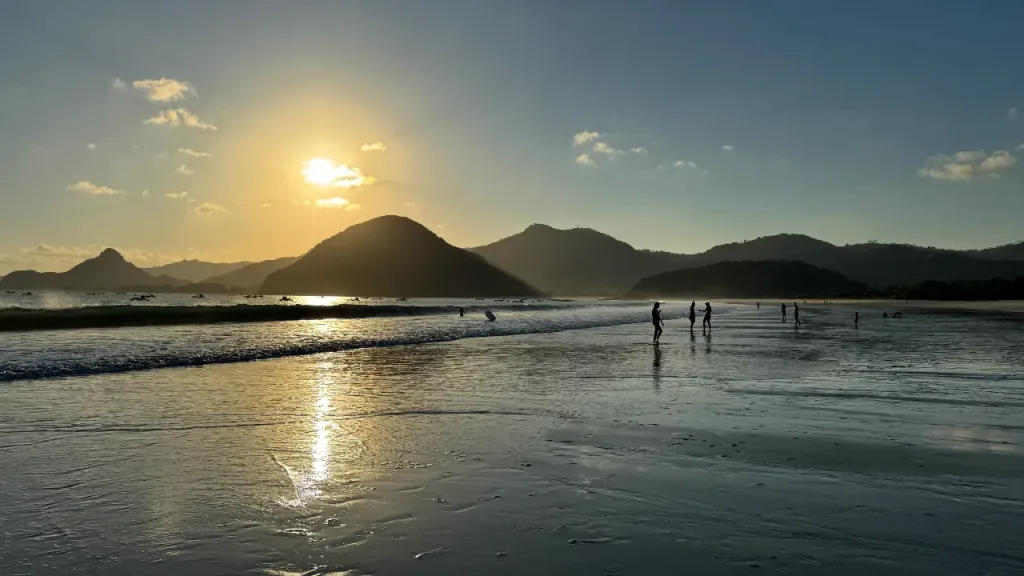
Kuta Lombok hasn't been the sleepy surf town people still write about for years. Dusty streets are now lined with smoothie cafes, co-working spaces, boutique gyms, padel courts, and villas in every stage of construction, from bare concrete frames to polished rentals. Walk a few blocks and it feels busy. Drive west for half an hour and the mood changes completely. Long beaches stretch out with beginner-friendly waves, a few parked scooters, and more cattle than people.
Surfing still pays a lot of the island's bills. Selong Belanak is where plenty of beginners catch their first wave, helped along by instructors standing waist-deep in the water for hours at a time. More experienced surfers spread out toward Gerupuk, Are Guling, Ekas, Mawi, or Desert Point, where the waves become more demanding and the logistics usually do too. Getting there can mean rough roads, boat rides, dawn starts, or all three before you've even paddled out.
Moving around the island is rarely difficult, but it isn't especially smooth either. Public transport barely matters for most visitors, and ride-hailing apps become unreliable surprisingly quickly once you're outside the busiest areas. Most people end up on a scooter or arrange lifts directly with local drivers. The roads are usually quiet enough. The distances are what fool people. A short line on the map can easily become the longest part of your day.
The meals that stay with you usually aren't served with polished branding or industrial-style interiors. Ayam taliwang and plecing kangkung turn up almost everywhere because they're genuinely worth eating, and the better versions often come from small family-run warungs. Kuta has no shortage of international cafes now, but quite a few would blend straight into Bali without anyone noticing. The local food has much more character.
The Gili Islands, just off the northwest coast, almost feel like somebody attached a different destination to Lombok. Gili Trawangan leans toward dive shops, backpackers, and beach bars that stay busy after dark, while Gili Air slows everything down. Both have the car-free atmosphere people come for. Both also have overflowing bins after busy weekends, and Bangsal Harbour still manages to turn a short boat ride into an exercise in confusion if you arrive at the wrong moment.
Climbing Rinjani

People love talking about Mount Rinjani because the photos are easy. The climb isn't. After sunset the camps settle into a few hours of broken sleep before everyone stumbles out into the cold wearing head torches, chasing the summit in darkness. Then comes the scree. Every step slides backwards just enough to make you question why you're there while porters in worn trainers or flip-flops drift past carrying supplies that look twice as heavy as your backpack. The crater lake waiting below the summit is the reward. Nothing before it feels generous.
The mountain doesn't beat people with technical climbing. It wears them down. The route from Sembalun or Senaru keeps stretching just beyond the next ridge, and once the sun is high the volcanic slopes throw heat back at you while the dust works its way into your shoes. Busy mornings can feel strangely crowded, with queues forming on the summit ridge and camps full of generators, chatter, and cigarette smoke. Forget the postcard version. This is hard work shared with hundreds of strangers.
Rinjani has little patience for overconfidence. Every season brings rescues, serious injuries, and deaths, often involving people who ignored the weather, wandered off the trail, or kept climbing after they should have turned around. Near the summit the ground looks solid until your boots sink into loose gravel that shifts under every step. A good trekking company earns its money long before dinner is served at camp. The best guides are the ones willing to tell somebody they've gone far enough.
Not everyone needs the summit. The crater rim already delivers the huge views, the morning light, and the feeling of standing on the edge of something enormous without adding another punishing climb in the dark. Plenty of people who force themselves to the top spend the descent running on pride alone. By the time they reach Sembalun, the conversation is over. Everyone is staring at their boots.
Areas of Lombok
- Nightlife, diving, social
Gili Trawangan
Gili Trawangan is the busiest of the Gili Islands, with dive shops, beach bars, backpacker hostels, and sunset crowds concentrated around the main harbour area. Walk a little further from the centre and the pace slows considerably. The island remains popular for people who want social energy without cars or scooters. It is the least quiet of the three Gilis.
Good for: Diving, nightlife, meeting other travellers.
Skip if: You want complete peace and empty beaches.
- Resorts, sunsets, relaxation
Senggigi
Senggigi remains the easiest west coast base, with a long strip of hotels, sea views, and direct access to ferries, day trips, and northern Lombok. Tourism here feels quieter than it once did, with fewer crowds and a slower pace than Kuta Lombok. Some properties show their age, but the coastline remains attractive, especially around sunset. It works best for travellers who value convenience over trendiness.
Good for: Resort stays, sunset views, exploring western Lombok.
Skip if: You want a busy surf scene or lots of nightlife.
- Quiet, snorkeling, couples
Gili Meno
Gili Meno is the slowest and quietest of the three Gili Islands. Days are spent swimming, reading, snorkelling, and doing very little else. Restaurant choices are limited and evenings become quiet soon after sunset. For many visitors, that is the entire point.
Good for: Quiet escapes, couples trips, slow island days.
Skip if: You want nightlife, variety, or a social scene.
- Snorkeling, relaxation, island life
Gili Air
Gili Air sits between the party atmosphere of Gili Trawangan and the near silence of Gili Meno. Small cafes, dive centres, beach restaurants, and turtle sightings are part of everyday life here. The island remains walkable and car-free, with enough activity to avoid feeling isolated. Many visitors end up staying longer than planned.
Good for: Snorkeling, diving, relaxed island living.
Skip if: You want nightlife or extensive shopping options.
- City life, transport, local culture
Mataram
Mataram is the island's administrative and commercial centre rather than a holiday destination in its own right. Shopping centres, government offices, local markets, and everyday city life dominate the landscape. Most visitors only pass through, but it can be a practical base for errands or onward travel. You stay here for function, not atmosphere.
Good for: City amenities, transport connections, local life.
Skip if: You want beaches or a resort-style holiday.
- Beginner surfing, beach, families
Selong Belanak
Selong Belanak sits west of Kuta Lombok and is built around one of the island's most approachable surf beaches. Days revolve around surf lessons, beach walks, long lunches, and little else. Development is increasing, but the area still feels noticeably less built up than Kuta. The beach remains the main attraction.
Good for: Learning to surf, beach time, relaxed family trips.
Skip if: You want nightlife, shopping, or lots of restaurant choice.
- Surfing, cafes, nightlife
Kuta Lombok
Kuta Lombok has become the island's main traveller hub, with surf schools, cafes, co-working spaces, gyms, and villa developments spreading well beyond the original town centre. The crowd skews younger and more international than elsewhere on the island. Construction is part of the landscape and some roads remain dusty despite all the investment. Stay here if you want the widest choice of places to eat, surf, and meet other travellers.
Good for: Surfing, social travel, exploring the south coast.
Skip if: You want complete quiet and no visible development.
- Resorts, events, development
Mandalika
Mandalika revolves around large-scale tourism projects, new resorts, and the international race circuit rather than a traditional town centre. Wide roads, large plots of land, and ongoing construction give parts of the area an unfinished feel. Some travellers appreciate the newer accommodation stock, while others find it lacking in character. It feels more planned than lived in.
Good for: Resort stays, motorsport events, modern accommodation.
Skip if: You prefer established neighbourhoods with local character.
- Beach, surfing, scenery
Tanjung Aan
Tanjung Aan offers direct access to one of the most recognisable stretches of coastline on the south coast, with broad bays and easy access to nearby surf spots. The area is changing quickly as larger tourism projects move in and land development expands. Staying here puts you close to Kuta without being in the middle of it. The scenery still does most of the work.
Good for: Beach access, surfing, coastal scenery.
Skip if: You want an area untouched by development.
- Surfing, village life, boats
Gerupuk
Gerupuk is a working fishing village that happens to sit beside some of Lombok's most popular surf breaks. Many of the waves are reached by boat, and surf culture dominates daily life here. Facilities are simpler than in Kuta Lombok, but the atmosphere feels more local. Surfers tend to love it or leave quickly.
Good for: Surf trips, boat-access breaks, local village atmosphere.
Skip if: You want cafes, nightlife, and walkable amenities.
- Nature, trekking, culture
Tetebatu
Tetebatu sits among rice fields and foothills on the southern side of Mount Rinjani, offering a completely different experience from the coast. Days revolve around village walks, waterfalls, farming landscapes, and cooler temperatures. Accommodation is generally small-scale and locally run. It feels closer to rural Lombok than anywhere on the tourist coast.
Good for: Nature walks, trekking, experiencing rural Lombok.
Skip if: You want beaches, bars, or surf breaks nearby.
Frequently Asked Questions
Planning & moving around
-
Which neighbourhood in Lombok should I stay in?
Kuta Lombok is the best base for surfers and beach lovers, offering a good mix of developing infrastructure and stunning southern beaches. Senggigi is better for those seeking a more established tourist strip with hotels and restaurants, though it's quieter than Bali. If you're after a truly local, laid-back experience and rice paddy views, Tetebatu in the central highlands is your spot, but it is far from the coast. Mandalika is for those interested in the circuit and new resorts, but it still feels a bit sterile.
-
How many days do I need in Lombok?
You need at least three to five days to get a real feel for Lombok, especially if you want to explore both the southern beaches and the central highlands. A week allows for a more relaxed pace, perhaps including a trek up Mount Rinjani or a few days exploring the Gili Islands. Staying longer lets you delve into more remote surf spots or simply unwind on lesser-known beaches without rushing.
-
What are the best day trips from Lombok?
The Gili Islands (Trawangan, Meno, Air) are the most popular day trip, just a 20-30 minute fast boat ride from Bangsal Harbour, offering car-free beaches and snorkelling. Mount Rinjani National Park is another excellent option, though a full summit trek requires multiple days, shorter hikes to the crater rim are possible in a day or two. For a cultural immersion, visit local villages like Tetebatu (about 1.5 hours from Senggigi) to see traditional weaving and rice paddies. Each justifies the trip, but the Gilis are the easiest and most popular.
-
Where can I store my luggage in Lombok between checkout and my flight?
Most hotels in Lombok, even smaller guesthouses, are happy to store your luggage at their front desk for a few hours after checkout. For longer periods or if your accommodation doesn't offer the service, consider asking at larger hotels in tourist areas like Kuta Lombok or Senggigi, though they may charge a small fee. There are no dedicated luggage storage apps or facilities like train station lockers in Lombok.
-
Which markets in Lombok are worth visiting and when are they on?
Ampenan Traditional Market in Mataram is worth visiting early in the morning (from around 6 AM) for a glimpse into local life and fresh produce, though it's not a tourist market. Cakranegara Market, also in Mataram, offers a wider range of goods, including textiles and spices, and is busiest in the mornings. For local crafts and souvenirs, the Sasak Ende Village near Kuta Lombok has small stalls, but it's more of a cultural stop than a traditional market.
-
Do you need a licence to rent a scooter in Lombok?
Yes, you need an International Driving Permit (IDP) with a motorcycle endorsement to legally rent and ride a scooter in Lombok. While many rental shops will rent to you without one, riding without a valid IDP means your travel insurance is likely void in case of an accident. Police often target tourists on scooters for spot checks, and fines are common if you can't produce the correct documentation.
-
What are the must-have ride-hailing apps in Lombok?
Grab and Gojek are the essential ride-hailing apps in Lombok, offering both car and motorbike (ojek) services. Grab tends to have better coverage and more drivers in the main tourist areas like Kuta Lombok and Senggigi. While convenient, some local drivers, especially around Kuta, might try to negotiate higher prices or claim the app isn't working, so be prepared to stand your ground or haggle.
-
Is Bali or Lombok better for a beach trip?
For beaches alone, Lombok wins easily. The sand is cleaner, the coastline feels less developed, and you can still find stretches without beach clubs every fifty metres. Bali has better restaurants, infrastructure, and rainy-day options, so the trade-off is convenience versus breathing room.
-
Which beaches in Lombok are actually worth the drive?
Selong Belanak is the easiest all-rounder with calm water and enough facilities to spend a full day comfortably. Tanjung Aan has better scenery but less shade, so it works best early or late. Pink Beach looks good in photos but the drive is long and rough for what you actually get.
-
Should I stay on the Gili Islands or mainland Lombok?
The Gilis work better as a short add-on, not the entire trip. After two or three days the lack of transport, dusty paths, and repetitive restaurant scene starts wearing thin for a lot of people. Mainland Lombok gives you beaches, waterfalls, villages, and actual room to move around.
-
Do fast boats between Bali and Lombok get rough?
Yes, especially during windy periods and afternoon crossings. People imagine a smooth island hop then spend two hours soaked, overheated, and trying not to throw up. If you get seasick easily or travel with young kids, flying into Lombok is usually the smarter move.
Safety & medical
-
Do I need travel insurance for Lombok?
Yes, travel insurance is non-negotiable for Lombok, especially given the prevalence of scooter accidents and the risk of methanol poisoning from counterfeit alcohol. Good insurance will cover emergency medical treatment, potential medical evacuation to a better-equipped hospital in Bali or Singapore, and repatriation. Ensure your policy explicitly covers activities like surfing or trekking if you plan to do them, and that it covers you for riding a scooter with the correct license.
-
What happens if I get sick in Lombok?
For minor ailments, pharmacies are available in larger towns like Mataram, Senggigi, and Kuta Lombok, with some 24-hour options in Mataram. For more serious issues, the best private hospital for travellers is Siloam Hospitals Mataram, offering better facilities and English-speaking staff than public options. In a true emergency, you would likely need evacuation to Bali or Singapore, which is why robust travel insurance is critical. The general emergency number is 112.
-
Is it safe to walk around Lombok at night?
Walking around Lombok at night is generally safe in well-lit, populated tourist areas like the main strip in Senggigi or central Kuta Lombok. However, outside these areas, roads are often poorly lit and quiet, increasing the risk of opportunistic theft or scooter accidents. Always use a Grab or Gojek for transport after dark, especially if you're alone or in less familiar surroundings.
-
Are there any areas in Lombok I should avoid?
There are no areas in Lombok that travellers should entirely avoid for safety reasons, but exercise caution in very isolated or poorly lit areas after dark, especially if you're alone. The areas around Bangsal Harbour can be chaotic with touts, so be firm and direct. Generally, stick to the main tourist zones and populated villages, and you'll be fine.
-
Can you swim safely at Lombok beaches?
Some beaches are fine for swimming, others are surf breaks pretending to be casual beaches. Selong Belanak and parts of Tanjung Aan are usually manageable in calmer conditions, while beaches like Mawi are for surfers and experienced swimmers only. Lombok does not have reliable lifeguard coverage, so you need to judge conditions yourself.
Laws & local norms
-
What are the drug laws in Lombok?
Lombok adheres to Indonesia's extremely strict drug laws, which are among the harshest in the world. Possession of even small amounts of cannabis, CBD products, or other recreational drugs can lead to lengthy prison sentences and heavy fines. Trafficking can carry the death penalty. Do not assume any leniency for tourists; enforcement is real, and the consequences are severe.
-
Can I vape in Lombok?
Vaping in Lombok is largely unregulated but generally tolerated, similar to cigarette smoking. You can buy e-liquids and devices in some larger towns and tourist areas, though the selection might be limited. There are no specific bans on bringing vapes into the country or using them in public, but always be respectful of local customs and avoid vaping in enclosed public spaces or near religious sites.
-
How LGBTQ+ friendly is Lombok?
Lombok is a predominantly Muslim island and generally more conservative than Bali, meaning public displays of affection between same-sex couples would likely draw stares and could cause discomfort. While there are no specific laws against homosexuality, social attitudes are less tolerant, and there isn't an overt LGBTQ+ scene. Discretion is advisable, especially outside of very tourist-centric areas like Senggigi or Kuta Lombok.
Food & drink
-
Where do locals actually eat in Lombok?
Locals in Lombok primarily eat at small warungs (local eateries) scattered throughout towns and villages, offering authentic and cheap Indonesian food. In Mataram, head to Jalan Pejanggik or Jalan Catur Warga for a concentration of local spots. For the famous Ayam Taliwang, look for small, unassuming warungs rather than tourist-focused restaurants; they often have the best, spiciest versions.
-
What are the best local foods to try in Lombok?
You must try Ayam Taliwang, a spicy grilled chicken dish that is Lombok's signature, often served with plecing kangkung (water spinach with chili sauce). Sate Rembiga, a sweet and spicy beef satay, is another local specialty worth seeking out. For a refreshing snack, try Es Kelapa Muda, fresh young coconut water, or a variety of local fruits from roadside stalls.
-
Where can I eat late at night in Lombok?
Late-night food options in Lombok are limited outside of the main tourist hubs. In Senggigi, some warungs and small restaurants along the main road stay open until 10 PM or 11 PM. In Kuta Lombok, a few beachside eateries might serve until midnight, especially on weekends, but don't expect extensive choices. Your best bet for truly late-night sustenance is often a convenience store for snacks.
Families & kids
-
Is Lombok a good place to travel with kids?
Lombok is a doable destination with kids, but it requires effort. Locals are generally welcoming towards children in everyday spaces, but the pace can be slow, and the infrastructure for families is less developed than in Bali. Traffic can be a concern in busier areas, and opportunistic crime aimed at distracted parents is a low but present risk. The natural beauty and quieter beaches can be fun, but constant entertainment isn't readily available.
-
Is Lombok manageable with a stroller or buggy?
A stroller is the wrong tool for most of Lombok. Sidewalks are often non-existent, broken, or blocked by vendors, especially outside of the most developed tourist strips in Senggigi or Mandalika. You will encounter uneven terrain, dirt paths, and many stairs, making a baby carrier a far more practical option for getting around with young children.
-
What happens if a child gets sick in Lombok?
If a child gets sick in Lombok, for minor issues, pharmacies in Mataram, Senggigi, and Kuta Lombok carry common children's medicines, but selection might be limited. For emergencies, Siloam Hospitals Mataram is the best option with a paediatric department and generally better standards than public hospitals. For anything serious, immediate evacuation to a hospital in Bali or Singapore is the most realistic and safest course of action, underscoring the need for comprehensive travel insurance.
-
What type of accommodation works best for families in Lombok?
Villas or apartments with multiple bedrooms and kitchenettes often work best for families in Lombok, providing more space and flexibility than standard hotel rooms. Many resorts in Senggigi and Kuta Lombok offer family-friendly bungalows or connecting rooms. Look for properties with pools, as these provide easy entertainment for kids when not at the beach.
-
What actually works for a half-day with young kids in Lombok?
A half-day with young kids in Lombok often works best at the beach, like Selong Belanak or Tanjung Aan, where the calm, shallow waters are ideal for splashing and building sandcastles. A visit to a local waterfall, such as Benang Stokkel or Benang Kelambu, can also be fun, though some paths might be a bit challenging for very small children. Many hotels have pools, which are always a hit.
Staying longer
-
Is Lombok a good place for digital nomads to settle?
Lombok is emerging for digital nomads, but it's not Bali. Coworking spaces are sparse, mainly limited to a few in Kuta Lombok, and monthly rentals for a decent one-bedroom can range from 4,000,000 to 8,000,000 IDR (250 to 500 USD), often found through local Facebook groups or direct negotiation. Internet quality is decent in tourist areas, but power outages can be an issue, and the nomad scene is still relatively small and quiet compared to other Southeast Asian hotspots.
-
Do I need a VPN in Lombok?
Lombok does not block much, but a VPN still earns its keep. Without one your home Netflix and Hulu libraries collapse to the local catalogue, and most banking apps get twitchy about logins from unfamiliar IPs. Free Wi-Fi in hotel lobbies and cafes is where session tokens quietly get lifted, and a VPN takes that whole category of risk off the table.
-
How loud are the mosque calls in Lombok?
Lombok is noticeably louder than Bali when it comes to mosque calls, especially in smaller towns and villages. The dawn prayer can start very early and some mosques run speakers at serious volume. If you're a light sleeper, avoid staying directly beside village mosques and read recent hotel reviews carefully because earplugs only do so much.
After dark
-
What changes after dark in Lombok?
Lombok significantly quiets down after dark, especially outside of Senggigi and Kuta Lombok. Restaurants remain open, but the lively daytime beach scene transitions to a more subdued atmosphere, with fewer people out and about. Many local shops close by early evening, and street lighting can be minimal in less developed areas, making transport more essential.
-
Where do nights go wrong for travellers in Lombok?
Nights in Lombok can go wrong for travellers primarily through scooter accidents on poorly lit roads, especially after consuming alcohol. Another major risk is methanol-laced alcohol, which has caused serious illness and death on the island, so stick to sealed, reputable brands. Opportunistic theft can also occur in quiet, dark areas if you are walking alone and not paying attention.
-
What are the best areas for nightlife in Lombok?
For nightlife in Lombok, Kuta Lombok offers a handful of beach bars with live music that typically wind down by midnight, such as The Hut or Bus Bar. Senggigi has a similar, relaxed vibe with a few bars along the main strip, like Happy Cafe, offering acoustic sets. If you're looking for a more concentrated party scene, you'll need to head to Gili Trawangan, which is a separate island off Lombok's coast.
Wildlife
-
Are there crocodiles in Lombok waters?
Saltwater crocodiles do exist in parts of Indonesia, but they are not a normal concern around Lombok's main tourist beaches or the Gili Islands. You're far more likely to deal with strong currents, reef cuts, or scooter crashes than crocodiles. Local rumours tend to spike after isolated sightings or viral social posts, but people swim, surf, and fish around Lombok every day without treating crocodiles as a real risk.
Adventure
-
Is Lombok good for beginner surfers?
Yes, but beginners should stick to beaches like Selong Belanak with proper surf schools and softer waves. Some breaks around Kuta Lombok get marketed to beginners even when currents and reef conditions say otherwise. Cheap lessons exist everywhere, but instructor quality varies wildly.
Accessibility
-
How difficult is Lombok for travellers with mobility issues?
Harder than many people expect. Broken sidewalks, steep villa stairs, sandy paths, and uneven roads are common even in tourist areas. Resorts can look accessible online then turn out to involve long walks, hills, or steps everywhere once you arrive.