
Sumbawa Right Now
Wildfire is scorching nearly 2,000 hectares of savanna in Tambora National Park, threatening wildlife and air quality.
Pekan Olahraga Provinsi (Porprov) XII NTB · Various venues across West Nusa Tenggara, including Sumbawa Barat
The Sumba Odyssey: An Indonesian Road Trip · Various locations across Sumba Island
Interest in travel to Sumbawa rose 56% from a year ago, suggesting demand is growing.
Best time to visit
Great time to visit
July offers excellent weather with average highs around 30°C (86°F) and minimal rain, making it a good time to visit before peak crowds arrive. Pack reef-safe sunscreen as the dry season brings clear waters ideal for exploring the coast.
SCORE BY MONTH
Visit Sumbawa between May and October for the best weather. These months offer the driest conditions and fewer rainy days, ideal for beaches and surfing. Avoid November through April, as this is monsoon season with frequent rain.
Visitor data: Indonesia Ministry of Tourism 2024
Day-to-day in Sumbawa
Walkability
30/100
Sumbawa is walkable only for short town errands, not as a way to explore. Expect broken kerbs, parked scooters, thin shade, and roads built around motorbikes.
Footpaths are broken, blocked by scooters, or missing once you leave the main streets.
Town centres cover basic errands on foot, but beaches and services spread out fast.
Scooters, trucks, and narrow road edges make crossings tense, especially after dark.
Heat and humidity make midday walks uncomfortable for most of the year. Mornings and evenings are workable.
-
REEF SURF
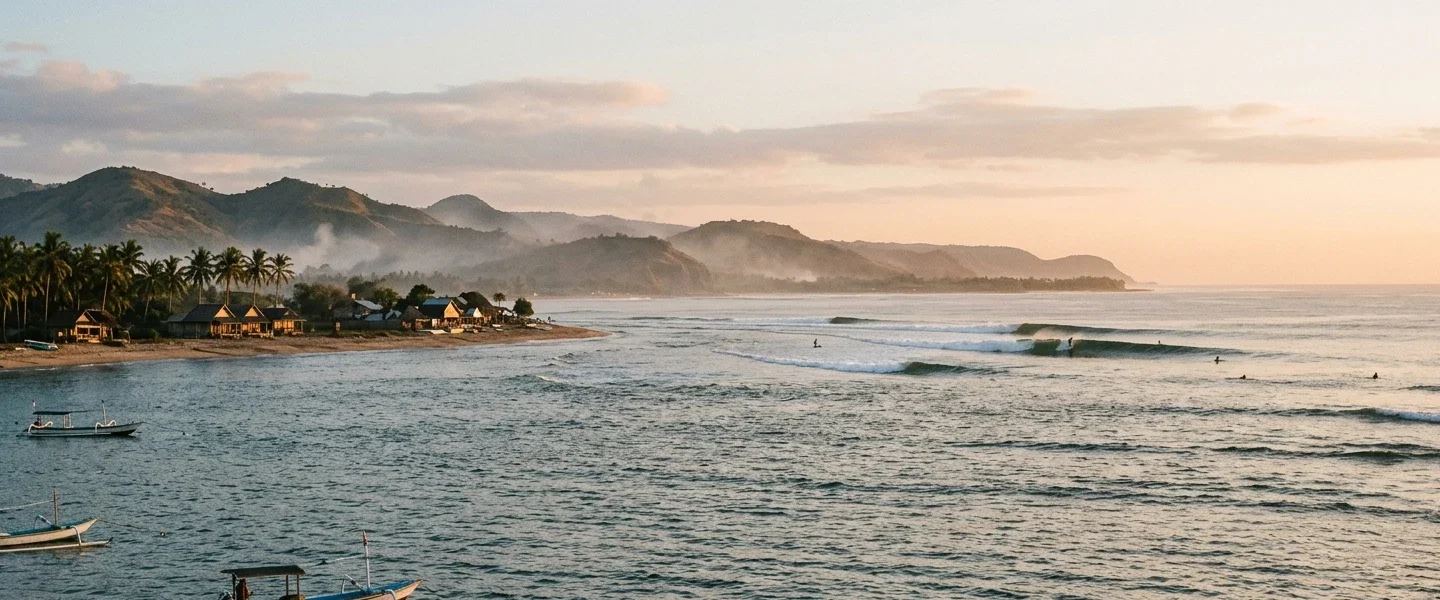
Surf shapes the daily rhythm more than nightlife or wellness. West Sumbawa is built around Scar Reef, Supersuck, and Yo-Yo's, while Lakey Peak anchors the eastern surf scene.
-
Coworking
Coworking is Kertasari-led, not island-wide. Living on Air gives remote workers a beachside work base with reliable internet, but expect a small house community rather than a city coworking floor.
-
Gym
$9 / month
VERY AFFORDABLEProper gyms are sparse, so longer stays lean on small hotel setups and resort facilities. Around Sekongkang, Baha Baha Villas is one of the clearer listed options with gym-style amenities.
Need to Know
- Population
- 698,817 BPS · 2024
- Currency
- Indonesian rupiah (IDR)
- Language
- Indonesian; English limited outside surf areas and larger hotels.
- Tap water
- Not safe
- Time zone
- WITA (UTC+8)
- Power plug
- Type C / F, 230V
- Dialling code
- +62
- Driving side
- Left
- Tipping
- Not expected; round up or leave a small tip for drivers and good service.
- Internet
- Usable 4G in Sumbawa Besar; patchier around rural beaches and inland roads.
- Emergency
- 112 general; 110 police; 113 fire; 118 or 119 ambulance.
When not to go
-
Avoid peak wet season crossings
Nov – Mar · peaks JanDo not choose Sumbawa in peak wet season if surf, beaches, and island crossings are the trip. Rain turns road sections rough, boat plans to Moyo fragile, and west coast surf gets less reliable. Go in dry season, or choose an easier dry-season island instead.
Sumbawa itineraries
Upcoming Events & Holidays
Upcoming events — next 30 days
On the horizon
Public holidays & observances — next 12 months
Dates are researched and checked, but events move. Always confirm with the official source before you book anything around them.
Getting To Sumbawa
-
From Sumbawa Besar (SWQ)
A few minutes from Sumbawa Besar centre
This is the simplest airport for Sumbawa Besar, Moyo Island staging, and the island's central north coast. The terminal is small, so arrange a hotel pickup or driver before arrival if you are heading beyond town.
Direct flights to Sumbawa
Serves 2 direct destinations, all domestic, about 3 flights a day.
Within Indonesia 2- Lombok LOP
 Wings Air 1-2/day
 - Bali DPS Wings Air ~1/day
Nonstop routes only. Flights per day are an average, each way. Data: AeroDataBox, updated July 2026.
Visa rules apply at the country level. See visa advice for Indonesia. -
-
From Lombok International (LOP)
Best air hub before west Sumbawa
Lombok works well if you are combining Kuta Lombok, west Sumbawa surf, or the Kayangan ferry. Flying to SWQ is fastest when schedules line up; the road and ferry route is slower but better if you are carrying boards or a vehicle.
-
From Ngurah Rai (DPS)
Main international gateway before domestic flights
Bali is the easiest international gateway for most travellers, then you connect by domestic flight. Choose SWQ for Sumbawa Besar and Moyo, or BMU for Bima and Lakey Peak on the eastern side.
-
Ferry from Kayangan Port
Lombok to Poto Tano, west Sumbawa
This is the core sea crossing into west Sumbawa. Buy through Ferizy where available or at the port, and build in extra time for loading, weather, and the long road across Lombok.
Safety Advice
Sumbawa is generally considered safe for travelers, with locals being friendly and respectful. However, as with any destination, it's wise to take standard precautions like being aware of your surroundings and dressing modestly. There are some reports of petty crime and safety concerns related to transportation, particularly ferries, so exercise caution.
Common Scams
-
Methanol-laced alcohol
HIGH RISKTrigger:Cheap arak or cocktails are poured from unlabelled bottles
Bad spirits can contain methanol, which can cause blindness, organ failure, or death. The risk is Indonesia-wide, but remote islands make fast treatment harder.
How to avoid: Drink sealed beer or branded bottles from reputable places. Avoid free-poured spirits, house arak, and bargain cocktails.
-
Motorbike rental damage
HIGH RISKTrigger:The owner points to scratches when you return the bike
Small rental shops can blame you for old damage or demand inflated repair money. The worst version is a bike taken back with a spare key, leaving you liable.
How to avoid: Film every panel, tyre, mirror, and plate before riding. Rent through your lodging or a shop other travellers can name.
-
Money changer short-changing
MEDIUM RISKTrigger:A tiny exchange desk offers a better rate than banks
The count is rushed, bills are palmed, or small notes are slipped into the stack. This is more likely in busier town areas than remote beach villages.
How to avoid: Use banks, ATMs, or authorised money changers only. Count cash slowly before leaving the counter.
-
Taxi overcharging
MEDIUM RISKTrigger:A driver approaches you at Poto Tano or the airport
The first quote sounds normal, then luggage, distance, fuel, or road conditions become extra charges. Long transfers across Sumbawa give this scam room to grow.
How to avoid: Agree the full fare before bags go in the car. Use Grab or Gojek where available, or book a driver through your lodging.
Mistakes to Avoid
-
Not wearing a helmet
SERIOUS CONSEQUENCEHelmet use is required for riders and passengers in Indonesia. A crash on Sumbawa's long roads can mean head injury, fines, and insurance trouble.
Fix: Wear a fastened SNI-standard helmet every ride. Do not accept a rental without one.
-
Drinking tap water
SERIOUS CONSEQUENCETap water is not safe to drink in Sumbawa. Stomach illness can wreck a short trip faster than a delayed ferry.
Fix: Use sealed, filtered, or boiled water for drinking and brushing teeth. Check ice in basic warungs.
-
Overstaying your visa
SERIOUS CONSEQUENCEIndonesia fines short overstays and treats longer overstays as an immigration offence. Serious cases can lead to detention, deportation, and a re-entry ban.
Fix: Track your final legal day before leaving Bali, Lombok, or Sumbawa. Extend early if your island route slips.
-
Not booking onward travel
MINOR CONSEQUENCESumbawa transport thins out fast once you leave the main towns. Poor timing can leave you stuck at Poto Tano, Sumbawa Besar, or Bima with few same-day options.
Fix: Plan ferry, driver, and bus links before remote beach stays. Leave daylight for every cross-island move.
-
Inappropriate dress
Sumbawa is more conservative than Bali's resort zones. Revealing clothing can draw hard stares and refusal at mosques or village events.
Fix: Cover shoulders and knees in villages and religious spaces. Beachwear belongs at the beach.
-
Ignoring local customs
Using the left hand for greetings, food, or passing items is rude in much of Sumbawa. Photographing people without asking can sour a small-village interaction fast.
Fix: Use your right hand for exchanges. Ask before photographing people, homes, ceremonies, or children.
Money & Payments
Carry rupiah for daily spending, use cards at bigger hotels, and always reject DCC.
-
Cash Runs Sumbawa
Cash handles most daily spending outside Sumbawa Besar, especially warungs, markets, ojeks, bemos, and beach villages. Carry IDR 10,000-50,000 notes for small buys, since remote shops often cannot break big bills.
-
ATMs In Main Towns
Sumbawa Besar has ATMs from Mandiri, BCA, BNI, and BRI, with thinner coverage toward surf villages and rural roads. Many machines limit withdrawals to about IDR 1,250,000-3,000,000 (USD 80-190) per transaction, and foreign-card fees vary by bank.
-
Cards At Bigger Hotels
Visa and Mastercard work mainly at larger hotels, dive or surf lodgings, and higher-end restaurants in Sumbawa Besar or resort pockets. Small shops, warungs, drivers, and boatmen usually want cash, and some card terminals add a 3-5% surcharge.
-
Exchange Before Remote Areas
Use banks or authorised money changers in Sumbawa Besar if you need to exchange cash. Rates at hotels are usually worse, and west-coast surf villages are a bad place to discover you brought the wrong currency.
-
Reject Home-Currency Billing
Choose Indonesian rupiah whenever an ATM or card terminal asks which currency to use. Home-currency billing is Dynamic Currency Conversion, and the exchange rate is usually worse than your card network's rate.
-
QRIS Is Patchy
QRIS is common across Indonesia, and GoPay, DANA, OVO, ShopeePay, or cross-border QR apps can work when your setup is ready. In Sumbawa, treat it as useful in town or at better-run businesses, not a replacement for cash.
-
International Transfers
To send money to a bank account in Indonesia, for things like rent or day-to-day expenses, services like Wise or Remitly usually offer better rates than traditional banks and faster delivery.
You'll typically need the recipient's full name, account number, and SWIFT/BIC code. Some banks may also require a local address.
Costs in Sumbawa
Sumbawa offers a significantly lower cost of living compared to many Western cities, making it an attractive destination for budget-conscious travelers. While local prices are low, expect some tourist-oriented pricing to creep in, especially in popular spots.
Save money?
Sign up for our guide on how to save money on your next trip.
SIM Cards & Data
Best option for most travellers: an eSIM you set up before you arrive. You'll be online the moment you land, with no airport queue and no tourist pricing.
Travel eSIMs Connect the second you land. Zero hassle. Skip the airport queue and paperwork. Activate before you fly and land connected. Find the best eSIM →Prefer a local SIM?
Sumbawa is a Telkomsel-first island for local SIM users: Sumbawa Besar and main roads have usable mobile data, but surf villages, inland roads, and Moyo crossings can still drop signal. Buy and activate a local SIM in Bali, Lombok, or Sumbawa Besar before heading remote, and bring your passport for registration.
What Sumbawa is Like

Sumbawa is not trying to be Bali, which is both the selling point and the warning label. In Sumbawa Besar, evenings still gather around market smoke, grilled fish, scooter horns, and men lingering over coffee rather than beach clubs lined up for sunset. The island feels quieter not because it has been polished for silence, but because tourism has not reorganised daily life around you. That can feel generous after busier islands. It can also feel blunt.
Surf is the reason Sumbawa appears on most outside maps. Lakey Peak has the name recognition, with a compact surf-camp strip and reef waves that punish casual bravado, while the west coast around Scar Reef, Supersuck, and Yo-Yo's is more spread out and more dependent on drivers, boats, and local knowledge. This is not a place to learn on a whim between smoothie bowls. If you already surf properly, it makes sense.
Moving around is where the romance thins. Ride out of town and the road can go from smooth to patched to broken in a few bends, with goats, trucks, scooters, and schoolchildren sharing the same narrow strip of asphalt. Ride-hailing apps are not something to build a trip around, especially away from Sumbawa Besar and Bima, so most plans lean on scooters, lodging-arranged drivers, or long transfers that eat daylight. Do not overschedule here.
Food is best when it stays local and unpretentious. Singang, a sharp Sumbawan fish soup with tamarind and turmeric, makes more sense in a plain warung than on a resort menu, and sepat brings grilled fish, young papaya, and chilli into something lighter than it sounds. Western food exists around surf camps, but it often feels like a supply-chain compromise with a view. Eat what the island cooks well.
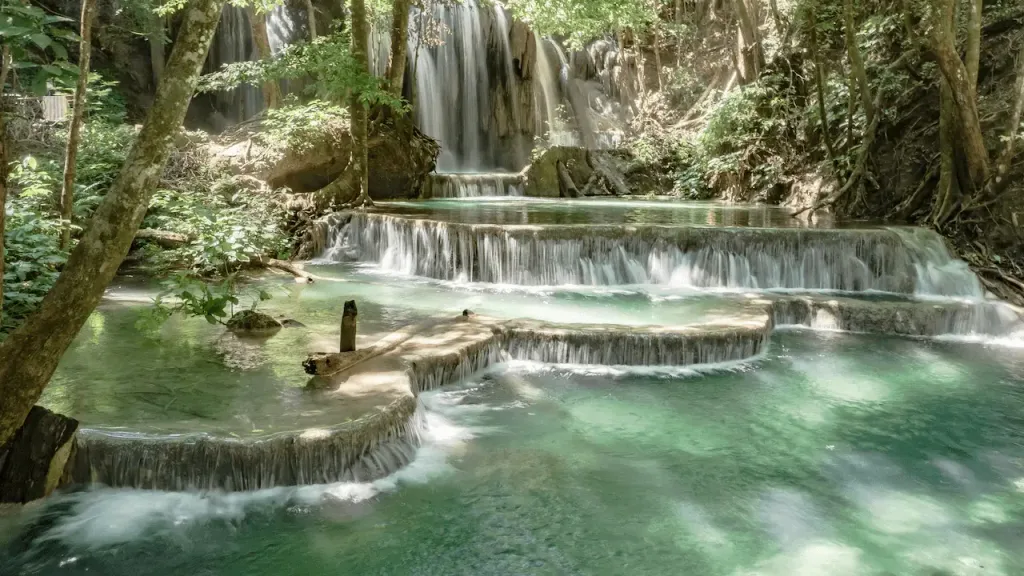
Evenings are not the main event. Outside a few surf lodgings, hotel bars, and local club pockets, the island shuts down early, alcohol is limited, and the social rhythm is more mosque call, dinner, and sleep than late-night wandering. That suits dawn surf checks, waterfall drives, and long beach days. It does not suit travellers who need a programmed night out after dinner.
The rougher coastline also shows you what the postcard crop leaves out. On some beaches, especially away from managed resort fronts, plastic bottles and fishing waste sit beside clear water and clean sand, and local clean-up work has not caught up with the scale of the problem. It does not ruin Sumbawa, but it stops the easy fantasy. That honesty is part of the place.
Padar Detour
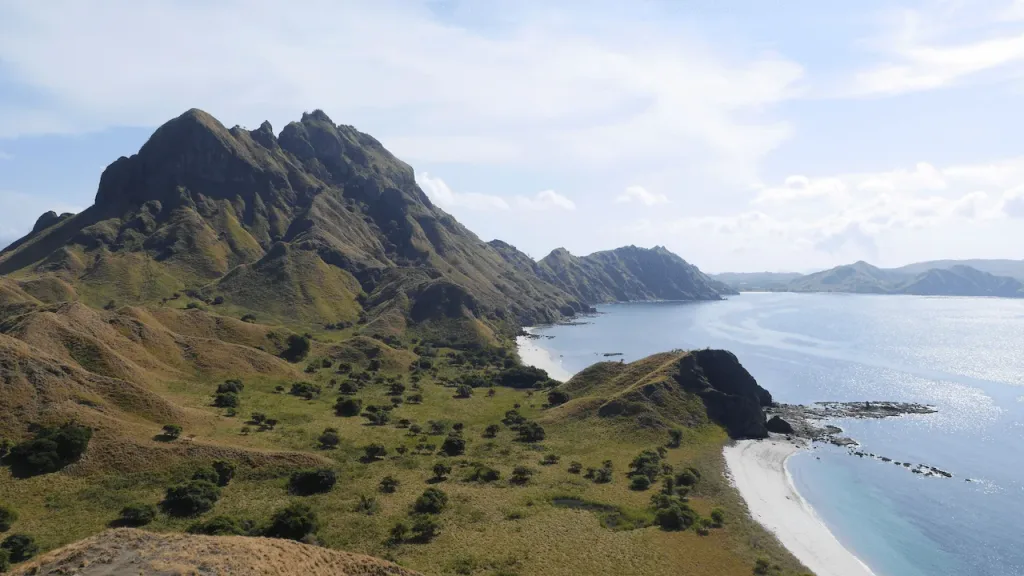
Padar is the photograph that makes people start dragging pins across a map, then the geography gets rude. The island sits inside Komodo National Park, reached from Labuan Bajo by boat, not from a casual Sumbawa beach base after lunch. From eastern Sumbawa, you are thinking in transfers, port timing, boat schedules, and a completely different trip rhythm. The ridge view is worth the sweat, especially when the bays split into different colours below you. It is not nearby in any useful traveller sense.
The mistake is treating Padar like a bonus stop at the end of a Sumbawa surf or road trip. By the time you move toward Sape, cross to Flores, reach Labuan Bajo, and join a park boat, the detour has eaten the shape of the itinerary. That is fine if Komodo is the next chapter. It is a bad idea if you only wanted one famous viewpoint before heading back west. Sumbawa already asks for long days, and Padar adds another layer of logistics.
Do Padar deliberately or skip it cleanly. Build the route eastward, sleep in Labuan Bajo, and give the park its own boat day instead of pretending it belongs to the same easy island loop. Go early because the trail turns hot fast and the ridge fills with people chasing the same photo. The view still works because the land is weird, dry, and severe. The planning has to be just as honest.
Areas of Sumbawa
- Surfing, Quiet beaches, Local life
Maluk
Maluk sits on a broad bay near the mining region of west Sumbawa and attracts surfers looking for a quieter alternative to busier surf settlements. Accommodation is spread through the village rather than concentrated on a tourist strip, and daily life still revolves mainly around local residents. Restaurants and evening entertainment are limited. The beach itself is one of the island's most pleasant stretches of sand.
Good for: Surfing, relaxed beach days, staying in a local community.
Skip if: You want a social surf scene with lots of dining options.
- Surfing, Remote beaches, Off-grid
Kertasari
Kertasari attracts travellers who care more about uncrowded waves and empty coastline than comfort or convenience. Small homestays and surf camps are scattered across a rugged stretch of coast where services remain limited and roads can be rough. Daily routines are simple and largely dictated by ocean conditions. The trade-off for the extra effort is space and solitude.
Good for: Surfing, uncrowded beaches, getting away from development.
Skip if: You want reliable amenities and easy transport connections.
- Surfing, Wave access, Remote
Sekongkang
Sekongkang is the main base for west Sumbawa's famous reef breaks, including YoYos, Tropicals, Supersuck and access points toward Scar Reef. Surf camps, guesthouses and a small traveller scene are concentrated here, making it more practical for wave-hunting than nearby villages. Outside surfing there is very little to do, and distances between places can feel larger than they appear on a map. Most people come for the ocean and stay focused on it.
Good for: Surfing multiple reef breaks, surf camps, extended wave trips.
Skip if: You do not surf and want a wider range of activities.
- Local life, Transit, Moyo Island
Sumbawa Besar
Sumbawa Besar is the island's administrative centre and the place most travellers pass through rather than linger in. Banks, government offices, markets, transport connections and trip operators are concentrated here, making it the easiest base for arranging visits to Moyo Island or sorting logistics before moving on. Nights are built around street-food stalls and local cafes rather than tourism. The city is practical, not scenic.
Good for: Resupplying, arranging onward travel, visiting Moyo Island.
Skip if: You want beaches, nightlife or a holiday atmosphere.
- Surfing, Beachfront stays, Remote
Lakey Peak
Lakey Peak is Sumbawa's best-known surf base, with homestays, surf camps and cafes spread along the bay facing several world-class reef breaks. Days revolve around tides, swell forecasts and repeated sessions in the water, while non-surf activities remain limited. The setting feels far removed from Bali's more developed surf towns. That isolation is part of the appeal.
Good for: Surf trips, beachfront accommodation, meeting other surfers.
Skip if: You want varied sightseeing, shopping or nightlife.
Frequently Asked Questions
Planning & moving around
-
How many days do I need in Sumbawa?
Three or four days is enough only if you choose one side of the island and accept a narrow trip. A week feels better for Sumbawa Besar, Moyo, and one surf or beach base. If you want both west Sumbawa and Lakey Peak, plan closer to ten days because the island is longer than it looks on a map.
-
What are the best day trips from Sumbawa?
From Sumbawa Besar, Moyo Island is the clearest day trip, with boat time, waterfall access, and snorkelling all needing an early start. From Maluk or Kertasari, the better day is a west-coast beach and surf loop rather than a long sightseeing chase. Do not treat Sumbawa as one day-trip map; each base has its own orbit.
-
Do you need a licence to rent a scooter in Sumbawa?
You need the right motorcycle licence and an International Driving Permit if you want to ride legally and keep your insurance useful. Some rental shops will hand over keys without asking, but that does not protect you after a crash. If you are not licensed, hire a driver instead.
-
Do Grab or Gojek work in Sumbawa?
Do not build your Sumbawa trip around ride-hailing apps. Coverage is limited and unreliable once you leave the main towns, so most beach transfers, port pickups, and surf runs need a local driver, ojek, or lodging-arranged transport. Agree the fare before you move.
-
Which Sumbawa markets are worth visiting?
Pasar Brang Bara in Sumbawa Besar is the most useful market stop for visitors, especially in the morning. Go for fish, produce, snacks, and the everyday town rhythm rather than souvenirs. Smaller village markets near surf areas are useful for basics, not destination shopping.
-
Is Sumbawa good for digital nomads?
Sumbawa is better for a surf stay or slow break than a serious work base. Internet can be usable in Sumbawa Besar and some better-run surf lodgings, but coworking is thin and power or signal drops are part of the deal. If client calls run your week, choose a more reliable base.
-
Where can I store luggage in Sumbawa?
Use your hotel, guesthouse, or surf camp. Dedicated luggage lockers are not something to count on at airports, ferry ports, or small terminals. If you have a late flight or ferry, ask your lodging before checkout rather than improvising with bags in town.
-
What mistake do first-time visitors make in Sumbawa?
They try to see the whole island from one base. Sumbawa Besar, Moyo, Maluk, Kertasari, and Lakey Peak do not sit neatly around one easy centre. Pick one side first, then build the route around realistic travel days.
-
Can beginners surf in Sumbawa?
Sumbawa is better known for reef waves than easy beginner beaches. Some operators can find softer conditions, but Lakey Peak, Scar Reef, and Supersuck are not casual first-lesson spots. Beginners should choose instruction carefully or start somewhere gentler before coming here.
-
Can I visit Padar Island from Sumbawa?
Yes, but it is not a quick Sumbawa side trip. Padar sits in Komodo National Park and usually means moving east toward Sape, crossing to Flores, then joining a Labuan Bajo boat. Treat it as a separate Komodo route, not an extra afternoon.
-
Are Sumbawa and Sumba the same?
No, they are completely different islands. Sumbawa sits just east of Lombok and is known for surf spots, volcanoes, and relatively low tourism. Sumba is further southeast and has a very different vibe, with traditional villages, luxury resorts, and a more developed tourism identity. People mix them up because of the similar names, but culturally, geographically, and travel-wise they're not interchangeable.
Safety & medical
-
Are there any areas in Sumbawa I should avoid?
There are no tourist no-go zones in the usual city sense. The real risk is isolation: unlit roads, empty beach tracks, and long scooter rides after dark. Avoid remote coastal routes at night unless you have local transport arranged.
-
Do I need travel insurance for Sumbawa?
Yes, and it should cover medical evacuation, scooter riding if you plan to ride, and surfing if that is part of the trip. Clinics and hospitals can handle basic problems, but a serious crash, infection, or head injury can push you toward Lombok or Bali for better care. Cheap insurance is a bad place to save money here.
-
What happens if I get sick in Sumbawa?
For minor problems, start with a puskesmas, local clinic, pharmacy, or RSUD Sumbawa in Sumbawa Besar. Anything serious may require transfer to Mataram or Denpasar, especially trauma, complicated infections, or specialist care. English can be thin, so bring your policy details and a translated medication list.
-
Can you drink the tap water in Sumbawa?
No. Locals and travellers use bottled, boiled, or filtered water for drinking, and you should do the same for brushing teeth if your stomach is sensitive. Ice is usually fine at better-run hotels and busier places, but skip it at rough roadside stalls if the setup looks doubtful.
-
Are mosquitoes and dengue a problem in Sumbawa?
Mosquitoes are part of the trip, especially around standing water, village edges, and the wetter months. Dengue exists in Indonesia, so use repellent, sleep with screens or nets where provided, and take fever seriously. Do not rely on sea breeze as a mosquito plan.
Laws & local norms
-
What are the drug laws in Sumbawa?
Indonesia's drug laws apply fully in Sumbawa, including severe penalties for possession, use, or trafficking. Cannabis is not treated casually, even in small amounts. Do not carry, buy, or accept drugs here.
-
What local etiquette matters in Sumbawa?
Sumbawa is more conservative than Bali's resort areas, especially in villages, markets, and religious spaces. Cover shoulders and knees away from the beach, use your right hand for giving or receiving things, and ask before photographing people. Beachwear belongs at the beach.
-
Are Sumbawa whale shark tours ethical?
Some tours are controversial. In areas like Saleh Bay, whale sharks are often attracted with fish scraps from fishing platforms, which changes their natural behavior and feeding patterns. That's not considered fully ethical by many marine conservation standards. If you go, choose operators that limit feeding, keep distance rules, and avoid overcrowding. If the tour revolves entirely around baiting sharks for guaranteed sightings, it's more wildlife interaction than conservation.
Culture & etiquette
-
What do tourists get wrong about Sumbawa?
They treat it like quieter Bali with fewer people. Sumbawa is more conservative, more spread out, and less built around tourism, so the reward is not convenience with thinner crowds. The practical result is simpler nights, more local rhythm, and fewer backup options.
-
How much English is spoken in Sumbawa?
English is workable in surf lodgings, better hotels, and some tour setups. Outside those bubbles, Indonesian does the heavy lifting, especially with drivers, warungs, markets, and clinics. Save key phrases and place names offline before long road days.
Food & drink
-
Where do locals actually eat in Sumbawa?
Look for warungs, night stalls, and market-edge places in Sumbawa Besar rather than polished restaurants. Singang, sepat, grilled fish, nasi campur, and spicy chicken are better bets than Western menus in surf camps. If the place is busy with local families, that is usually the sign.
-
Where can I eat late at night in Sumbawa?
Late food is mostly fried rice, noodles, satay, and simple warungs in Sumbawa Besar. Surf areas can go quiet early unless your guesthouse is cooking, so do not arrive hungry after a long transfer. Dinner planning matters more here than in resort towns.
Families & kids
-
Is Sumbawa a good place to travel with kids?
Sumbawa can work with older kids who handle long drives, simple food, and beach days without entertainment laid on. It is hard work with toddlers because pavements are poor, medical options are basic, and distances are long. Families who need easy transport, soft landings, and quick clinics will find it tiring.
-
Is Sumbawa manageable with a stroller or buggy?
Not really. Broken pavements, missing footpaths, sandy tracks, and rough beach access make a stroller a burden outside short town errands. A carrier is the better tool for babies and toddlers.
-
What happens if a child gets sick in Sumbawa?
Basic care is available through clinics, pharmacies, and hospitals in larger towns such as Sumbawa Besar. Serious illness or injury may mean evacuation to Mataram or Denpasar, so bring a small medicine kit and insurance that covers evacuation. Do not assume specialist paediatric care will be close.
Staying longer
-
Where should I stay in Sumbawa?
Sumbawa Besar is the practical base for banks, airport arrivals, Moyo trips, and basic services. Lakey Peak suits surfers who want the eastern reef scene, while Maluk and Kertasari work better for west-coast surf and quieter beach stays. Do not pick one base and expect easy day trips across the island.
After dark
-
What changes after dark in Sumbawa?
Sumbawa gets quiet early. Sumbawa Besar still has food stalls, traffic, and a little town activity, but surf areas mostly turn into guesthouse dinners and porch talk. If you want bars, late music, and options after dinner, this is the wrong island.
-
Is it safe to walk around Sumbawa at night?
Short walks on lit main streets in Sumbawa Besar are usually fine. Remote beach roads, village lanes, and surf-area tracks are a different story because lighting is poor and traffic is hard to read. Use a car, scooter, or arranged pickup after dark.