
Kyoto Right Now
Typhoon season is active, with heavy rains and strong winds possible due to tropical storms.
Gion Matsuri (Yoiyama Evenings) · Central Kyoto (Shijo-Karasuma to Kawaramachi area)
Gion Matsuri (Yamaboko Junko Procession) · Central Kyoto (Shijo-Karasuma to Kawaramachi area)
Marine Day
Gion Matsuri (Yamahoko Junko - Latter Festival)
Interest in travel to Kyoto rose 8% from a year ago, suggesting demand is growing.
Best time to visit
Off-season🔥Extreme heat and humidity🌧️Rainy season (Tsuyu)
Expect warm and humid weather with daytime temperatures around 31°C (88°F), and it will be busy. Pack light, breathable clothing and stay hydrated.
SCORE BY MONTH
Visit in April, May, October, or November for pleasant weather. Temperatures are mild, ranging from 17°C to 24°C (63°F to 75°F), and it's generally drier than other times. Avoid July and August due to extreme heat and humidity, and be mindful of potential typhoons from August to October.
Visitor data: Kyoto City Tourism Association (2023) 2023
Day-to-day in Kyoto
Walkability
81/100
Kyoto works well on foot if you stay near the central grid or Higashiyama, but crowded sidewalks and packed buses slow movement fast.
Tourist districts have proper sidewalks, but older lanes narrow fast around Gion and eastern Kyoto.
Kyoto's main sights cluster tightly enough for long walking days from one central hotel base.
Drivers usually stop for crossings, but cyclists and crowded intersections demand constant attention downtown.
A few months are tough on walkers, but the rest of the year is workable for daily outdoor time.
-
Monthly cost
$1,851 / month
EXPENSIVESolo mid-range stay including rent, daily eating out, groceries, and routine costs.
-
CAFE AND WALKING
Kyoto daily life revolves around slow routines more than constant activity. People spend hours moving between kissaten cafes, riverside walks along the Kamo River, bookstores, sento baths, and small neighborhood restaurants. Coffee culture runs deep, but the bigger draw is how easy the city is to settle into once you stop chasing temples all day.
-
Coworking
$146 / month
AFFORDABLEKyoto works better for quiet solo work than networking-heavy coworking culture. Impact Hub Kyoto and The Site are the main reliable options near central Kyoto, with decent wifi and calmer rooms than Osaka spaces. Many remote workers end up rotating between cafes like Kurasu, Weekenders, and Walden Woods instead.
-
Gym
$58 / month
AFFORDABLEKyoto's gym scene is practical but not especially flexible for short stays. Anytime Fitness branches around Karasuma and Kyoto Station are easiest for nomads, while Gold's Gym Kyoto Nijo has stronger equipment but a more local membership feel. Smaller neighborhood gyms often expect Japanese paperwork and longer commitments.
Need to Know
- Population
- 2,502,747 Statistics Bureau · 2025 Census
- Currency
- Japanese yen (JPY)
- Language
- Japanese; basic English common around stations, hotels, and tourist districts
- Tap water
- Safe to drink
- Time zone
- JST (UTC+9)
- Power plug
- Type A / B, 100V
- Dialling code
- +81
- Driving side
- Left
- Tipping
- Not expected. Some restaurants add service charges automatically.
- Internet
- Fast and reliable in hotels, cafes, and coworking spaces. Public station wifi exists but feels inconsistent.
- Emergency
- 110 police, 119 ambulance and fire
When not to go
-
Cherry blossom crowds overwhelm Kyoto
Late Mar – early Apr · peaks weekendsSkip Kyoto during peak cherry blossom week if you want a calm city break. Hotels jump sharply in price, buses crawl across central Kyoto, and places like Fushimi Inari and Kiyomizu-dera turn into shoulder-to-shoulder queues by mid-morning. You still get spring weather later in April without the same crush, or base in Osaka and day-trip in early.
-
Golden Week shuts down Kyoto
29 Apr – 5 MayAvoid Kyoto during Golden Week unless packed trains, sold-out hotels and crowds are part of the plan. Domestic tourism spikes across Japan and Kyoto's narrow streets were never built for that volume, especially around Gion and Arashiyama. Tokyo handles the crowds better because the city spreads people out more efficiently.
Kyoto itineraries
Upcoming Events & Holidays
Upcoming events — next 30 days
On the horizon
Public holidays & observances — next 12 months
Dates are researched and checked, but events move. Always confirm with the official source before you book anything around them.
Getting To Kyoto
-
From Kansai International (KIX)
75 min JR Haruka express to Kyoto Station
KIX is the main international airport for Kyoto even though it sits deep in Osaka Bay. Most travellers take the JR Haruka directly to Kyoto Station because it avoids traffic and luggage headaches. Airport buses work fine for hotels near Kyoto Station, but road traffic slows badly during evening arrivals and holiday weekends.
Direct flights to Kyoto
Kyoto has no airport of its own. Most travellers fly into Kansai (KIX) near Osaka, about 75 minutes away by train.
Serves 69 direct destinations, 54 international and 15 domestic, about 267 flights a day.
International 54- Seoul ICN South Korea
 Aero K Airlines
  Air Busan A Air Incheon
 A Air Seoul
 Asiana Airlines
  EASTAR JET
  Jeju Air
  Jin Air
  Korean Air P Parata Air
  Peach Aviation
  T'Way Air 43/day
 - Taipei TPE Taiwan
 AirAsia X
  Cathay Pacific
  China Airlines
  EVA Air
  Jetstar Japan Peach Aviation
  Starlux Airlines
  Thai Lion Air
  Thai Vietjet Air
  Tigerair Taiwan 22/day
 - Hong Kong HKG Hong KongA AHK Air Hong Kong Limited Cathay Pacific H HGB
H Homer Air H Hong Kong Airlines
 Hong Kong Express Peach Aviation 21/day
 - Shanghai PVG China
 Air China
  China Eastern Airlines C China Postal Airlines
  Japan Airlines
  Juneyao Airlines Peach Aviation S Shanghai Airlines
  Spring Airlines
  ANA 15/day
- Busan PUS South Korea Air Busan EASTAR JET Jeju Air Jin Air T'Way Air 14/day
- Seoul GMP South Korea Asiana Airlines Jeju Air Korean Air Peach Aviation T'Way Air 12/day
- Kaohsiung City KHH Taiwan AirAsia China Airlines EVA Air Peach Aviation Tigerair Taiwan 7/day
- Bangkok BKK Thailand Japan Airlines Peach Aviation
 Thai Airways International Thai Vietjet Air 5/day
 - Singapore SIN Singapore Peach Aviation
 Scoot
Scoot  Singapore Airlines 5/day
 - Beijing PEK China Air China ANA
 Hainan Airlines 4/day
 - Cheongju CJJ South Korea Aero K Airlines T'Way Air 3/day
- Qingdao TAO ChinaQ Qingdao Airlines S SF Airlines
 Shandong Airlines 3/day
 - Manila MNL Philippines
 Cebu Pacific Air
  Philippine Airlines Jetstar Japan 3/day
 - Hanoi HAN Vietnam VietJetAir
 Vietnam Airlines 3/day
 - Daegu TAE South Korea T'Way Air 1-2/day
- Honolulu HNL United StatesA Alaska Airlines Japan Airlines 1-2/day
- Kuala Lumpur KUL Malaysia AirAsia X
 Malaysia Airlines
  Malindo Air 1-2/day
 - Ho Chi Minh City SGN Vietnam VietJetAir Vietnam Airlines 1-2/day
- Helsinki HEL FinlandF Finnair1-2/day
- Hangzhou HGH China Air China B Beijing Capital Airlines L Loong Air 1-2/day
- Wuxi WUX ChinaS SF Airlines
 Shenzhen Airlines 1-2/day
 - Dubai DXB United Arab Emirates
 Emirates ~1/day
 - Guangzhou CAN China
 China Southern Airlines ~1/day
 - Istanbul IST Türkiye
 Turkish Airlines ~1/day
 - Jeju City CJU South Korea T'Way Air ~1/day
- Jinan TNA China Shandong Airlines ~1/day
- Los Angeles LAX United States Japan Airlines ~1/day
- Nantong NTG ChinaS Sichuan Airlines~1/day
- San Francisco SFO United States
 United Airlines ~1/day
 - Guam GUM Guam United Airlines ~1/day
- Shenzhen SZX China Shenzhen Airlines ~1/day
- Da Nang DAD Vietnam Vietnam Airlines ~1/day
- Doha DOH Qatar
 Qatar Airways ~1/day
 - Lapu CEB Philippines Cebu Pacific Air Philippine Airlines ~1/day
- Munich MUC Germany
 Lufthansa ~1/day
 - Yantai YNT ChinaC China Central Airlines~1/day
- Abu Dhabi AUH United Arab Emirates
 Etihad Airways 5/week
 - Bangkok DMK Thailand Thai AirAsia X 5/week
- Brisbane BNE Australia Jetstar 5/week
- Cairns CNS Australia Jetstar 5/week
- Yiwu YIW ChinaC China Postal Airlines5/week
- Amsterdam AMS Netherlands
 KLM 4/week
 - Dalian DLC China Spring Airlines 4/week
- Ningbo NGB ChinaC China Central Longhao4/week
- Paris CDG FranceA Air France4/week
- Taipa MFM Macau
 Air Macau 4/week
 - Toronto YYZ Canada
 Air Canada 4/week
 - Chiangmai CNX Thailand Thai Vietjet Air 3/week
- Chicago ORD United States China Airlines 3/week
- Jebel Ali DWC United Arab Emirates Emirates 3/week
- Shijiazhuang SJW ChinaC China Postal Airlines3/week
- Sydney SYD Australia Jetstar 3/week
- Ulaan Baatar UBN MongoliaM Miat - Mongolian Airlines2/week
- Tianjin TSN ChinaT Tianjin Airlines1/week
Within Japan 15
- Tokyo HND ANA ANA Wings Japan Airlines
S StarFlyer
18/day - Sapporo CTS ANA Japan Airlines Jetstar Japan Peach Aviation Spring Airlines Japan 14/day
- Naha OKAJ Japan Transocean Air Jetstar Japan Peach Aviation 12/day
- Tokyo NRT Jetstar Japan Peach Aviation E Envoy Air 8/day
- Fukuoka FUK Peach Aviation 4/day
- Ishigaki ISG ANA J Japan Transocean Air Peach Aviation 4/day
- Sendai SDJ Peach Aviation 3/day
- Kagoshima KOJ Peach Aviation 1-2/day
- Miyako City MMYJ Japan Transocean Air~1/day
- Miyazaki KMI Peach Aviation ~1/day
- Nagasaki NGS Peach Aviation ~1/day
- Amami ASJ Peach Aviation ~1/day
- Kushiro KUH Peach Aviation 3/week
- Ōzora MMB Peach Aviation 2/week
- Kobe UKBT TBJ1/week
Nonstop routes only. Flights per day are an average, each way. Data: AeroDataBox, updated July 2026.
Visa rules apply at the country level. See visa advice for Japan. -
-
From Osaka Itami (ITM)
55 min airport bus to Kyoto Station
Itami handles mostly domestic flights and is much closer to Kyoto than KIX. The direct limousine bus is the easiest option after landing and drops at Kyoto Station without train transfers. Trains are cheaper but involve switching between the Osaka Monorail and Hankyu or JR lines with luggage.
-
Shinkansen from Tokyo / Osaka
2 hr 10 min from Tokyo on Nozomi
Kyoto Station sits directly on the Tokaido Shinkansen line, making rail the easiest way in from Tokyo, Osaka, Nagoya, and Hiroshima. Nozomi trains are fastest but excluded from the standard JR Pass unless you pay a supplement. Oversized luggage reservations matter during cherry blossom season and long holiday weekends because trains fill fast.
Safety Advice
Kyoto is considered one of the safest cities globally, with very low crime rates and a high safety index. While petty theft is rare, it's always wise to be aware of your surroundings in crowded tourist areas.
Common Scams
-
Bar tout overcharging
HIGH RISKTrigger:A tout promises cheap drinks near Pontocho after dark
Once inside, the menu changes fast with hostess fees, table charges, and inflated drink prices added to the bill. Refusing payment can turn into a standoff with staff around Kawaramachi and Kiyamachi nightlife blocks.
How to avoid: Ignore street touts completely and pick bars yourself through Google Maps or trusted reviews.
-
Taxi route padding
MEDIUM RISKTrigger:A station taxi avoids the obvious direct route
Some drivers stretch routes around Kyoto Station and Gion when they realise the passenger does not know the city. The extra cost is usually small but annoying during heavy traffic periods.
How to avoid: Use official taxi ranks, follow the route on your phone, or use GO Taxi app.
-
Fake monk donations
LOW RISKTrigger:A monk offers a bracelet near temple entrances
The bracelet or charm quickly turns into pressure for a large cash donation supposedly linked to a temple project. The money does not go to any temple.
How to avoid: Do not accept items from strangers outside shrines or temples, even if they seem polite.
Mistakes to Avoid
-
Photographing private Gion alleys
SERIOUS CONSEQUENCESome narrow lanes in Gion ban photography because tourists harassed residents and maiko for years. Fines apply in certain private alleys, and locals are openly hostile toward people ignoring the rules.
Fix: Stick to public streets like Hanamikoji and avoid photographing geiko or maiko up close.
-
Not carrying enough cash
MINOR CONSEQUENCEKyoto takes cards more often now, but older restaurants, temple stalls, and smaller cafes still reject them. ATMs inside shrines or smaller neighborhoods are not always nearby.
Fix: Carry enough yen for a full day and use 7-Eleven ATMs when needed.
-
Being loud on transport
Kyoto buses and trains stay noticeably quiet even during crowded commutes. Loud conversations, speakerphone calls, and eating on local buses irritate people fast.
Fix: Keep your voice down, silence notifications, and save calls until you exit the train.
-
Incorrect temple etiquette
Tourists regularly treat temples like photo sets and ignore prayer areas, purification basins, and marked walking paths. Locals notice immediately around major temples like Kiyomizu-dera.
Fix: Watch what locals do before entering shrine or temple areas and follow the flow.
-
Eating while walking
Kyoto dislikes street eating more than Osaka or Tokyo, especially in Gion and Higashiyama. Food wrappers also become your problem because public bins are scarce.
Fix: Eat beside the shop where you bought food and carry a small trash bag.
-
Tipping for services
Tipping confuses staff more than it helps in Kyoto restaurants, taxis, and hotels. People may chase you down the street to return the money.
Fix: Skip the tip and thank staff directly instead.
Money & Payments
Carry cash for temples, buses, and older shops, use cards elsewhere, and always pay in JPY.
-
Cash Still Matters
Kyoto still runs heavily on cash once you leave department stores and chain cafes. Smaller restaurants, temple counters, older ryokan, and some local buses still reject cards, so carrying JPY 5000-10000 (USD 33-65) daily saves hassle.
-
Cards Work Most Places
Visa and Mastercard work reliably at hotels, convenience stores, Kyoto Station shops, and larger restaurants around Kawaramachi and Gion. American Express acceptance drops sharply at smaller businesses.
-
Use 7-Eleven ATMs
Seven Bank ATMs inside 7-Eleven stores remain the safest bet for foreign cards and usually support international withdrawals around the clock. Japan Post Bank and Aeon Bank ATMs also work reliably across Kyoto.
-
Withdrawal Limits Apply
Many Japanese ATMs cap foreign withdrawals around JPY 100000 (USD 650) per transaction, with some Japan Post machines limiting lower. Your own bank's overseas withdrawal cap often hits first.
-
IC Cards Beat Cash
Apple Pay and Google Pay work well when linked to Suica or ICOCA transit cards for trains, buses, vending machines, and convenience stores. PayPay remains common locally but usually needs a Japanese number and bank account.
-
Pay In Yen Always
Card terminals and some ATMs sometimes offer to charge your home currency instead of JPY. Decline it every time because the exchange rate is usually a ripoff.
-
Check Change Carefully
Short-changing tourists is uncommon in Kyoto, but mistakes happen around crowded temple approaches and busy market stalls. Count your coins before walking away, especially with JPY 500 coins that resemble Korean 500 won.
-
International Transfers
To send money to a bank account in Japan, for things like rent or day-to-day expenses, services like Wise or Remitly usually offer better rates than traditional banks and faster delivery.
You'll typically need the recipient's full name, account number, and SWIFT/BIC code. Some banks may also require a local address.
Costs in Kyoto
Kyoto's charm comes with a price, especially with the influx of tourists driving up costs for accommodation and dining. While a Big Mac is a reasonable $3.19, expect to spend more on local experiences.
Save money?
Sign up for our guide on how to save money on your next trip.
SIM Cards & Data
Best option for most travellers: an eSIM you set up before you arrive. You'll be online the moment you land, with no airport queue and no tourist pricing.
Travel eSIMs Connect the second you land. Zero hassle. Skip the airport queue and paperwork. Activate before you fly and land connected. Find the best eSIM →Prefer a local SIM?
Kyoto has fast, reliable mobile coverage across the city, including subways, train stations, and most temple districts. eSIM is the easiest option for most travellers now, but physical tourist SIMs are still sold at Kansai Airport, Bic Camera, and Yodobashi stores if your phone supports them better.
What Kyoto is Like
Kyoto feels least convincing in the middle of the day, when tour buses unload around Kiyomizu-dera and people queue for photos of streets they already saw on Instagram before boarding the flight. The better version of the city starts early. At seven in the morning, delivery scooters rattle past shuttered storefronts in Higashiyama, old women sweep stone entrances outside small temples, and the smell drifting out of neighborhood bakeries matters more than another checklist shrine. Kyoto rewards people who slow down enough to notice ordinary routines happening beside the tourist circus. Most visitors never stay long enough to see that version.
Around the Kamo River, especially north of Sanjo Bridge toward Demachiyanagi, daily life feels surprisingly loose compared with the polished image sold abroad. Students sit on the riverbanks drinking convenience store coffee, cyclists cut through narrow lanes without much ceremony, and tiny bars hide upstairs behind unmarked doors that look permanently closed until someone slides them open at dusk. The city is full of these half-private rhythms. Kyoto stops feeling precious once you get away from the temple circuit.
Food here splits cleanly between places built for tourism and places built for repetition. Nishiki Market survives mostly on momentum now, crowded with visitors carrying skewers and matcha desserts while locals squeeze around the edges trying to buy dinner ingredients. The better meals are often simple teishoku counters near train stations, smoky yakitori shops in western Kyoto, or old kissaten cafes where nobody rushes you out after one coffee. Kyoto has excellent high-end dining, but the city's real strength is consistency. Lunch is usually where it shines.
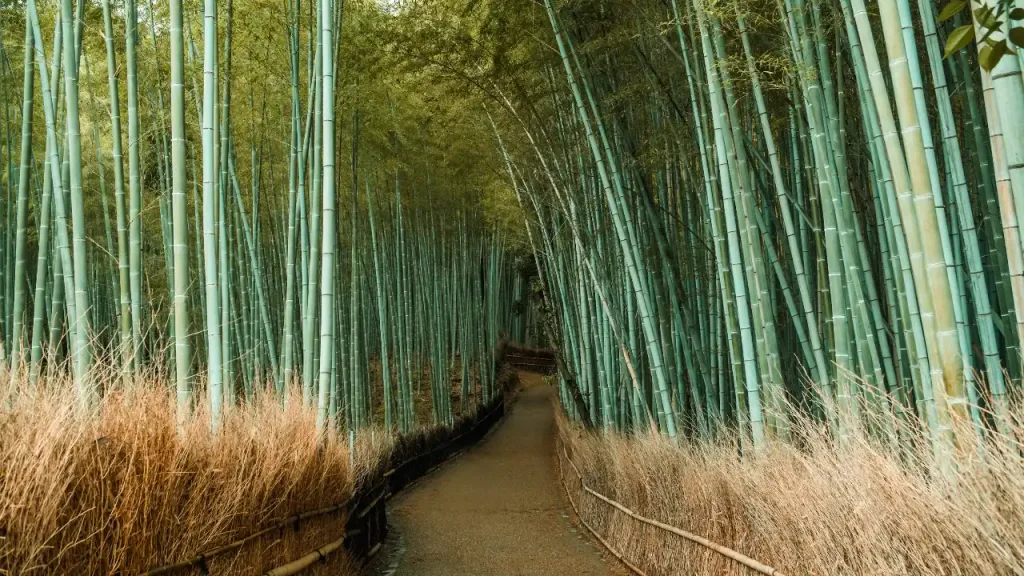
Gion deserves its reputation and suffers from it at the same time. Walk through Hanamikoji late at night after the day crowds disappear and the district still has real weight to it: wooden facades glowing softly, delivery workers finishing shifts behind expensive restaurants, taxi doors snapping open in silence. Show up at midday and it can feel like a theme park with selfie sticks. The same split exists across the city. Arashiyama beyond the bamboo grove becomes quiet residential streets within minutes, and northern Sakyo feels closer to a university town than the Kyoto sold in travel ads.
Evenings in Kyoto stay restrained compared with Osaka or Tokyo. Kiyamachi and Pontocho fill up with drinkers after dark, but the nightlife rarely spills far into chaos, partly because the city itself seems designed to shut things down before they go too far. People looking for huge nights out often end up disappointed after a couple of days here. Kyoto works better for late dinners, long walks, riverside conversations, and the kind of bars where the owner remembers exactly what you drank yesterday. It is not a city that performs for you constantly.
What Kyoto understands better than most famous destinations is restraint. Gardens are arranged so carefully that a single patch of moss or one crooked pine branch carries the whole view, and even ordinary neighborhood streets avoid the sensory overload common elsewhere in Asia. That discipline extends to the city itself. Some travellers find it calm. Others find it stiff, expensive, and exhausting once the crowds arrive. Both reactions are fair.
Sakura Crowds
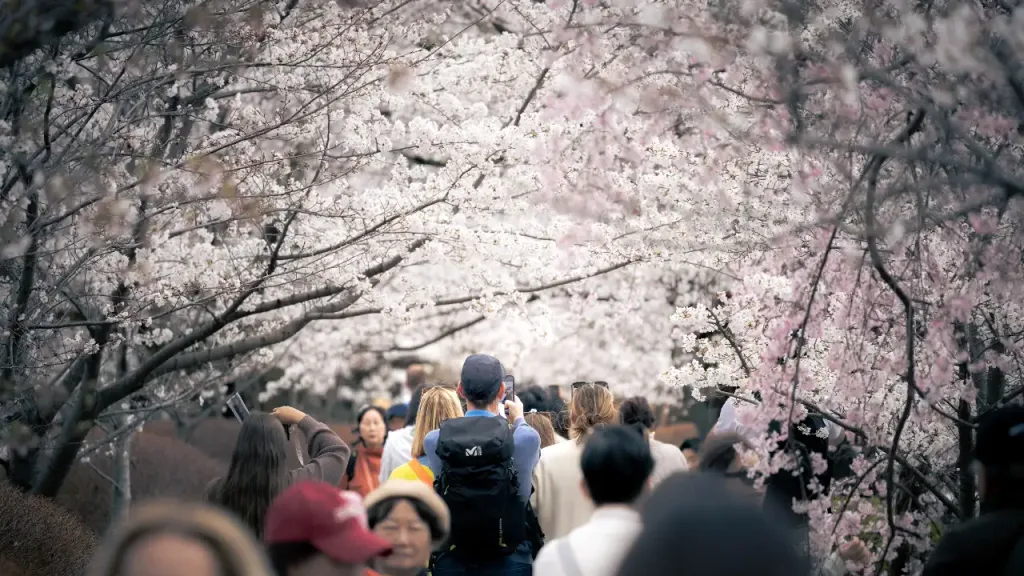
Cherry blossom season turns Kyoto into a stress test for how much crowding you can tolerate before beauty stops registering. By mid-morning, the path through Maruyama Park moves at the speed of an airport security line, photographers camp on bridges along the Philosopher's Path, and buses near Kiyomizu-dera pass full without stopping. People talk about sakura season like a soft pink fever dream. In reality it often feels closer to commuter rush hour with better scenery.
The strange part is that the blossoms themselves usually are worth it. A quiet stretch of canal near Okazaki covered in falling petals at sunrise can still stop people in their tracks, and the hills behind Nanzen-ji often look better than the famous postcard spots because nobody bothers climbing far enough. Kyoto during sakura works best for travellers willing to structure the entire day around avoiding crowds. Wake up early, stay out late, and forget the fantasy of spontaneous sightseeing.
Most first-time visitors make the same mistake: they try to hit every famous blossom location during the same three-day window everyone else picked from a bloom forecast online. The result is packed hotels, hour-long restaurant waits, and endless shuffling through temple grounds behind selfie sticks. Kyoto actually feels better either slightly before peak bloom, when plum blossoms still linger and the city breathes normally, or after the petals start falling and people panic-booked flights home. The petals on the ground are often prettier anyway.
Areas of Kyoto
- Nature, temples, quiet stays
Arashiyama
Arashiyama feels completely different once the bamboo grove crowds leave for central Kyoto in the afternoon. Riverside paths near Togetsukyo Bridge, smaller temples tucked into the hills, and old residential lanes give the area a slower rhythm than downtown Kyoto. The downside is distance. Returning after dinner or drinks often means longer train rides and fewer late-night options nearby.
Good for: Temple visits, riverside walks, quieter evenings away from downtown.
Skip if: You want nightlife, shopping, or fast access across the city.
- Local life, crafts, quiet
Nishijin
Nishijin feels more like a functioning residential district than a tourism set piece, with weaving workshops, family-run cafes, and older wooden homes spread across quiet backstreets. Nights are calm, restaurants skew local, and the pace slows down fast once office workers head home. The trade-off is convenience. You rely more on buses or bicycles here compared with staying around Kawaramachi or Gion.
Good for: Slow travel, local neighborhoods, traditional craft culture.
Skip if: You want nightlife, fast train access, or major attractions outside your hotel door.
- Nightlife, dining, riverside
Pontocho
Pontocho packs dozens of bars and restaurants into one narrow alley beside the Kamo River, and most nights it feels like half the city is trying to squeeze through it. The atmosphere improves after the dinner rush, when small staircases light up and locals drift between tiny upstairs bars hidden behind wooden doors. Accommodation nearby gives easy access to Kyoto nightlife without staying directly inside the tourist crush around Kiyomizu-dera. Sleep quality depends heavily on your exact street.
Good for: Nightlife, bar hopping, evening dining beside the river.
Skip if: You are sensitive to noise or want spacious hotel areas.
- Temples, walking, old Kyoto
Higashiyama
Higashiyama puts Kyoto's biggest temple districts directly outside your door, which sounds romantic until the sidewalks clog by breakfast. The upside is that dawn and nighttime here can feel genuinely special once the crowds disappear from Ninenzaka and the lanes below Kiyomizu-dera. Most streets are narrow, hilly, and not especially suitcase-friendly. Staying slightly north or east of the busiest slopes makes a big difference.
Good for: Temple hopping, early morning walks, traditional Kyoto scenery.
Skip if: You hate stairs, crowds, or hauling luggage through narrow streets.
- Historic streets, dining, nightlife
Gion
Gion still delivers the version of Kyoto most people flew across the world expecting, but you pay for it in crowds and inflated restaurants around Hanamikoji. Early mornings and late evenings are when the district finally settles down, with quiet alleys, temple bells, and delivery workers replacing tour groups. Staying near Yasaka Shrine or the eastern edge toward Higashiyama helps avoid some of the worst foot traffic. The postcard version is real here. So is the exhaustion.
Good for: Historic Kyoto streets, traditional dining, late evening walks.
Skip if: You want quiet mornings or dislike heavy tourist traffic.
Frequently Asked Questions
Planning & moving around
-
How many days should you spend in Kyoto?
Four days is the sweet spot for most first-time visitors. Less than that turns the trip into a rushed temple checklist with too much time lost on buses and station transfers. A week works far better if you want slower mornings, neighborhood cafes, smaller temples, and day trips like Nara or Uji without burning yourself out.
-
What are the best day trips from Kyoto?
Nara is the obvious choice because it is close, easy, and genuinely different from Kyoto's temple-heavy atmosphere. Uji works well for a slower half-day built around tea shops and Byodo-in Temple, while Himeji makes sense if you care more about castles than shrines. Osaka is close enough that many people split their stay between both cities instead of day-tripping.
-
Should you use public transport or taxis in Kyoto?
Kyoto works best with trains, subways, walking, and occasional taxis. Buses reach most tourist sights but often become miserable by late morning during peak seasons. Taxis make more sense at night, during rain, or when crossing east-west with luggage. Renting a scooter is uncommon and usually more trouble than it is worth.
-
What apps are useful for navigating Kyoto?
Google Maps handles most train, subway, and walking routes well, but Kyoto's bus system can still get confusing during crowded periods. Japan Travel by Navitime is useful for rail connections and platform details. GO Taxi also helps when buses are overloaded or trains stop running late at night.
-
When should you avoid visiting Kyoto?
Cherry blossom season and peak autumn foliage periods push Kyoto into near-constant crowding from early morning onward. Hotels fill months ahead, buses become packed, and major sights like Kiyomizu-dera or Arashiyama stop feeling relaxing entirely. Slightly before or after peak bloom usually gives a much better trip.
Safety & medical
-
Is Kyoto safe for tourists at night?
Kyoto is one of the safer large cities in Asia, including after dark around Kawaramachi, Gion, and Kyoto Station. The bigger issue is nuisance nightlife touts around Kiyamachi and Pontocho rather than violent crime. Solo travellers usually feel comfortable here, although packed buses and stations still attract the occasional pickpocket.
-
What scams should tourists watch for in Kyoto?
Kyoto has far fewer scams than many tourist cities, but nightlife touts around Kiyamachi and Pontocho still catch people with inflated drink bills and hidden bar charges. Fake monks asking for donations occasionally appear near temples. Taxi route padding exists too, especially around Kyoto Station during busy periods.
-
What should you do if you get sick in Kyoto?
Minor illnesses are easy to handle through local pharmacies called drugstores, especially chains like Matsumoto Kiyoshi or Welcia. For more serious problems, larger hospitals around Kyoto Station and central Kyoto can handle foreign visitors, although English support varies. Good travel insurance matters because treatment is not cheap without it.
-
Do you need travel insurance for Kyoto?
Yes, mainly for medical coverage and trip disruption rather than crime. Japan's healthcare system is excellent but expensive if you end up in hospital without insurance. Kyoto also involves a lot of walking, crowded stations, and seasonal weather swings that increase the odds of minor injuries or missed transport.
-
Can you drink tap water in Kyoto?
Yes. Kyoto tap water is safe and tastes better than in many large cities because of the area's groundwater sources. Most locals drink it without filtering, although hotels sometimes provide kettles instead of bottled water.
Laws & local norms
-
What drug laws should foreigners know in Japan?
Japan's drug laws are extremely strict and tourists are not treated differently. Marijuana is illegal even with overseas medical prescriptions, and some cold medicines containing pseudoephedrine are restricted too. Arrests lead to detention, deportation, and possible prison sentences. Check medication rules before flying.
-
What should you wear at Kyoto temples and shrines?
You do not need formal clothing, but overly revealing outfits stand out badly around major temples and shrine grounds. Comfortable shoes matter more because many areas involve stairs, gravel paths, and long walks. Clean socks are useful too since some temple buildings require shoes off.
-
Can you take photos everywhere in Kyoto?
No, especially in parts of Gion where private alleys ban photography after years of tourists harassing residents and maiko. Many temples also prohibit photos inside prayer halls or near altars. Watch for signs and avoid blocking narrow streets just to get the same photo everyone else is taking.
Money & costs
-
Is Kyoto mostly cash or card?
Cards work fine at hotels, convenience stores, larger restaurants, and Kyoto Station businesses, but cash still matters daily. Smaller cafes, temple counters, older restaurants, and some buses still reject cards entirely. Carry enough yen for a full day instead of assuming Apple Pay will save you.
-
Do you tip in Kyoto?
No. Leaving cash on the table often confuses staff more than it helps, and people may try to hand it back. Good service is treated as part of the job rather than something extra you reward separately.
-
Is Kyoto expensive compared with Osaka or Tokyo?
Kyoto gets expensive fast around temple districts and peak tourist seasons because demand massively outweighs supply. Hotels in Gion and Higashiyama often cost more than equivalent places in Osaka. Food does not need to be expensive though, especially if you eat lunch sets, noodles, or neighborhood teishoku meals.
Culture & etiquette
-
Do people speak English in Kyoto?
English coverage is decent around tourist areas, hotels, and major stations, but it drops quickly in smaller restaurants and local neighborhoods. Staff are usually polite and patient even when communication gets awkward. Translation apps help a lot once you leave the main tourist spine.
Food & drink
-
What food is Kyoto actually known for?
Kyoto's reputation comes more from refinement than huge flavors. Kaiseki meals get the attention, but everyday dishes like yudofu, yuba, saba-zushi, and simple teishoku lunches are usually more memorable for most travellers. Nishiki Market is worth seeing once, though many stalls now feel built mostly for tourists.
-
Is Kyoto good for vegetarians?
Kyoto is one of the easier cities in Japan for vegetarians because of its Buddhist food traditions. Shojin ryori restaurants serve fully vegetarian temple-style meals, and tofu appears everywhere in local cooking. Vegan travellers still need to check carefully because fish stock quietly appears in many soups and sauces.
-
Where do locals actually eat in Kyoto?
Most locals are not lining up in Nishiki Market every night. Better everyday meals usually come from small teishoku restaurants near train stations, neighborhood izakayas west of Kawaramachi, and old kissaten cafes scattered through residential districts. Kyoto rewards repetition more than hype.
Families & kids
-
Is Kyoto good for travelling with kids?
Kyoto works well for families if you avoid trying to force nonstop temple visits on children. The railway museum, aquarium, monkey park, and riverside parks break things up well. Crowds and long walking days are the harder part, especially during cherry blossom and autumn foliage seasons.
-
Is Kyoto easy with a stroller?
Modern train stations and sidewalks handle strollers fairly well, but older temple districts do not. Higashiyama and parts of Gion involve stairs, stone paths, steep slopes, and heavy crowding that quickly become exhausting with a stroller. Early mornings make a huge difference.
Staying longer
-
Which area is best for staying in Kyoto?
Gion and Higashiyama put you closest to Kyoto's historic streets, but they also come with the heaviest crowds and overpriced restaurants. Kawaramachi works better for transport, nightlife, and late dinners. Travelers staying longer often prefer quieter areas north of the Kamo River or around Demachiyanagi where Kyoto feels more like a normal city.
After dark
-
What is nightlife like in Kyoto?
Kyoto nightlife is quieter and more restrained than Osaka or Tokyo. Pontocho and Kiyamachi concentrate most bars, late dinners, and drinking spots, while Gion leans more toward expensive restaurants and polished cocktail bars. People chasing huge club nights usually get bored here after a day or two.