

Coron Right Now
Typhoon Inday disruption caused ferry cancellations in Coron and other Palawan ports as of July 11.
Best time to visit
Off-season🌧️Southwest Monsoon
Frequent rain and choppy water keep crowds low; wreck diving still runs on the calmer days between systems.
SCORE BY MONTH
December to April is the clear best window, with dry skies, calm seas, and the water clarity that makes the wrecks and Kayangan Lake worth the trip. Crowds and prices peak over Christmas, New Year, and Holy Week. Skip July to September, when the monsoon churns up rough seas and boat tours get cancelled.
Visitor data: Estimated from seasonal travel patterns 2026
Day-to-day in Coron
Walkability
40/100
Coron Town is compact enough to cover on foot, but narrow streets, patchy pavements and constant tricycle traffic make walking frustrating.
Pavements are patchy, narrow or blocked by parked tricycles, motorbikes and stalls.
Most hotels, dive shops, restaurants and ferry offices sit within a short walk.
Tricycles and motorbikes crowd narrow roads, leaving pedestrians little protected space.
Frequent rain interrupts walks for half the year. Plan around the wet season or carry an umbrella.
-
WRECK DIVING
Wreck diving shapes daily life here. Coron Bay's Japanese WWII wrecks draw divers from around the world, with sites ranging from recreational depths to technical dives.
-
Coworking
Don't come to Coron for coworking. Most remote workers use cafes such as Coffee Kong, and internet quality varies enough that many treat work as secondary to island trips.
-
Gym
$29 / month
VERY AFFORDABLEFlexing Spartans Gym is the main option in Coron Town for free weights and machine training. Hotel gyms exist, but most are small and aimed at short-stay guests.
Need to Know
- Population
- 65,855 PSA · 2020 Census
- International visitors
- 150,892 (2024) DOT / TourLISTA · 2024
- Annual visitors per resident
- 2.3× Annual international visitors divided by the population
- Currency
- Philippine Peso (PHP)
- Language
- Filipino and English; English widely spoken in tourism businesses
- Tap water
- Not safe
- Time zone
- GMT+8 (PST)
- Power plug
- Type A / B / C, 220V
- Dialling code
- +63
- Driving side
- Right
- Tipping
- Not expected, but rounding up or leaving a small tip is appreciated; service charges are often included.
- Internet
- Reliable 4G and hotel Wi-Fi in Coron Town; connections are weaker on outlying islands and boat trips.
- Emergency
- 911 (all services), 143 (Red Cross)
When not to go
-
Skip it for empty lagoons
Don't come to Coron expecting solitude. The headline sites are reached by organised boat tours, and places like Kayangan Lake and Twin Lagoon often see multiple groups arriving at once. If having natural scenery largely to yourself is the priority, pick a destination where the experience is spread over a larger area.
Go here instead:
- Raja Ampat Far more dispersed islands and fewer shared sightseeing bottlenecks.
- Sumba Quieter beaches and landscapes with far fewer day-trip crowds.
Upcoming Events & Holidays
Public holidays & observances — next 12 months
Dates are researched and checked, but events move. Always confirm with the official source before you book anything around them.
Getting To Coron
-
From Francisco B. Reyes (USU)
25-40 min transfer to Coron Town
Francisco B. Reyes Airport on Busuanga Island is the main air gateway for Coron. Most visitors arrive on domestic flights from Manila and Cebu, then continue by road to Coron Town.
Direct flights to Coron
Serves 2 direct destinations, all domestic, about 13 flights a day.
Within Philippines 2- Angeles City CRKA AirSWIFT A Atlantis European Airways
 Cebgo
Cebgo  Philippine Airlines 7/day
 - Lapu CEBA Atlantis European Airways Cebgo Philippine Airlines 6/day
Nonstop routes only. Flights per day are an average, each way. Data: AeroDataBox, updated July 2026.
Visa rules apply at the country level. See visa advice for The Philippines. -
-
From Coron Port
Main ferry terminal in Coron Town
Coron Port handles the main sea connections to northern Palawan and other Philippine ports. Ferries arrive directly in town, making it the most convenient option for travellers coming from El Nido.
Safety Advice
Scooter accidents and standard island-hopping boat safety are the everyday risks. The wreck dives call for extra caution: several sit deep enough to need proper training and a reputable operator, so do not overreach your certification. Petty theft is low, and the wet-season monsoon window runs June to October.
Common Scams
-
ATM Skimming or Malfunction
HIGH RISKTrigger:An ATM fails or a stranger offers help
ATMs in Coron occasionally run out of cash or malfunction, and card-skimming remains a risk. Losing access to cash can disrupt boat tours, transport and accommodation payments.
How to avoid: Use ATMs attached to banks where possible and inspect the machine before inserting your card. Carry backup payment methods and avoid accepting help from strangers.
-
Tricycle Overcharging
MEDIUM RISKTrigger:A driver quotes a high fare before departure
Some tricycle drivers quote inflated fares to visitors, especially around the ferry port and airport transfer points. The loss is usually small but repeated over short trips.
How to avoid: Agree on the fare before starting the ride and ask your accommodation what local rates should be.
-
Substandard Island Hopping Tours
MEDIUM RISKTrigger:A tour is much cheaper than competitors
Some operators advertise private trips that become shared tours or quietly change the promised itinerary. This is most common with heavily discounted bookings.
How to avoid: Book through established operators with strong recent reviews and confirm the itinerary before paying.
-
Money Changer Short-Changing
MEDIUM RISKTrigger:A changer advertises rates well above others
A few exchange counters may rely on distraction or fast counting to short-change customers. The losses are usually limited but frustrating.
How to avoid: Count your money yourself before leaving the counter and use banks or established exchange services whenever possible.
Mistakes to Avoid
-
Drinking tap water or using ice from unknown sources
SERIOUS CONSEQUENCETap water in Coron is not considered safe to drink and stomach illness can quickly derail a trip. Ice from uncertain sources carries the same risk.
Fix: Use bottled or purified water for drinking and brushing your teeth. Ask if ice is made from purified water when in doubt.
-
Ignoring environmental regulations
SERIOUS CONSEQUENCECoron's reefs, lakes and lagoons are protected environments. Damaging coral, littering or ignoring local environmental rules can lead to fines and harm fragile ecosystems.
Fix: Follow site rules, avoid touching marine life and take all rubbish back with you.
-
Expecting beaches in Coron Town
MINOR CONSEQUENCECoron Town is a transport and accommodation hub, not a beach destination. Travellers who expect walkable beaches from town often end up disappointed.
Fix: Treat the town as a base and plan boat trips if beaches and lagoons are your priority.
-
Not respecting local customs at sacred sites
Some locations around Coron Island have cultural and spiritual significance to the Tagbanua people. Disrespectful behaviour can offend local communities.
Fix: Follow local guidance, respect site rules and dress appropriately when visiting communities or places of cultural importance.
Money & Payments
Carry cash for tours and small purchases, use cards at larger businesses, and always pay in PHP.
-
Cash First
Cash is still the default for tricycles, small restaurants, market stalls and many tour payments in Coron. Carry smaller ₱20, ₱50, ₱100 and ₱500 notes because breaking ₱1,000 bills can be difficult.
-
Cards Work Selectively
Visa and Mastercard are accepted at many hotels, dive shops and larger restaurants, but not everywhere. Some businesses add a card surcharge, so ask before paying.
-
ATMs and Withdrawal Fees
Coron Town has ATMs from banks including BPI, Metrobank, LandBank and PNB. Foreign cards are commonly charged ₱200-300 (US$3.50-5.25) per withdrawal, so larger withdrawals reduce fees.
-
Avoid DCC Charges
If an ATM or card terminal offers to charge you in your home currency, decline it. Always choose Philippine pesos to avoid poor exchange rates and extra fees.
-
Local QR Payments
GCash and Maya dominate QR payments in the Philippines, but most visitors still rely on cash and cards in Coron. Do not assume every merchant can accept foreign-linked digital wallets.
-
Tourist and Travel Taxes
Some local fees around Coron, including port and environmental charges, may require cash payment. Check current requirements before travel because fee structures can change.
-
Currency Declaration Rules
Amounts above ₱50,000 or foreign currency exceeding US$10,000 may require declaration when entering or leaving the Philippines. Check current customs rules before travelling with large sums.
-
International Transfers
To send money to a bank account in The Philippines, for things like rent or day-to-day expenses, services like Wise or Remitly usually offer better rates than traditional banks and faster delivery.
You'll typically need the recipient's full name, account number, and SWIFT/BIC code. Some banks may also require a local address.
Costs in Coron
Coron is easy on the wallet: $45 to 75 a day covers a decent room, meals, and a scooter, with beer under a dollar. The costs that add up are the boat tours and, if you dive, the multi-wreck packages. Getting there is the other expense, since flights to Busuanga are limited and often pricey.
Save money?
Sign up for our guide on how to save money on your next trip.
SIM Cards & Data
Best option for most travellers: an eSIM you set up before you arrive. You'll be online the moment you land, with no airport queue and no tourist pricing.
Travel eSIMs Connect the second you land. Zero hassle. Skip the airport queue and paperwork. Activate before you fly and land connected. Find the best eSIM →Prefer a local SIM?
You can buy a physical SIM at Manila or Cebu airports before flying to Coron, or from mobile phone shops in Coron Town. Smart is the one to get. Coverage is usually reliable in Coron Town and around Busuanga's main roads, but speeds and signal strength drop on some island-hopping routes and remote beaches. SIM registration is mandatory and requires passport identification, so keep your passport handy during activation.
What Coron is Like
The first surprise is how little Coron Town matters. You arrive to a tangle of tricycles, dive shops, tour offices and concrete shopfronts climbing a dusty hillside, then spend most of your trip trying to leave it. The town exists to feed people onto boats each morning and absorb them again each evening. That sounds dismissive, but it is actually the key to understanding the place. Judge Coron by the town and you'll wonder what the fuss is about.
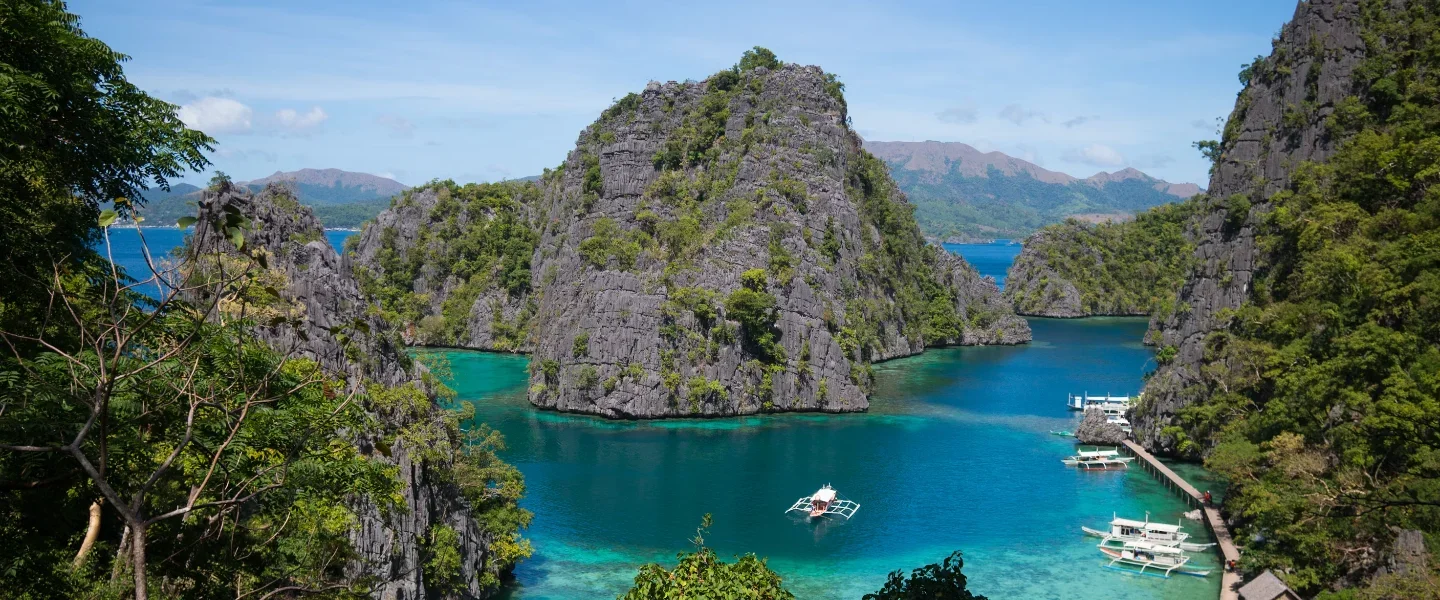
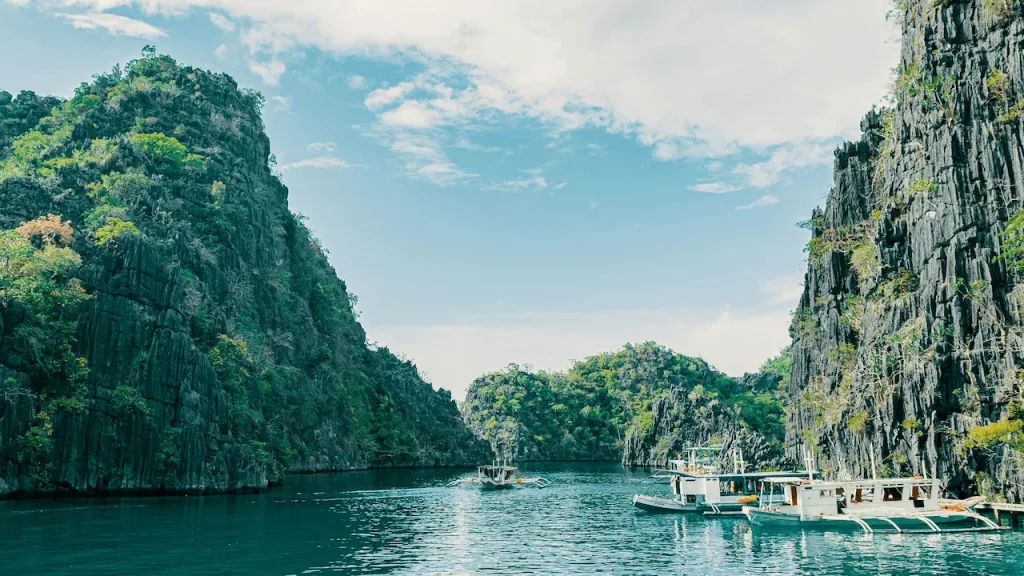
Out on the water, the logic becomes clearer. The limestone walls around Kayangan Lake, the narrow channels between islands and the wrecks scattered across Coron Bay create the kind of landscape that keeps photographers, divers and first-time visitors busy for days. The famous Japanese wrecks are not a side attraction here. They are the backbone of the diving scene, drawing everyone from newly certified divers to technical specialists. Few destinations in Southeast Asia combine wreck diving and island scenery this effectively.
What a lot of travel writing skips over is how structured the experience has become. Most visitors move through the same handful of lagoons, lakes and snorkelling stops on organised day tours, often following nearly identical routes. If you have spent time somewhere like Raja Ampat, the crowds can feel surprisingly concentrated. Coron is not a wilderness experience. It is a very good sightseeing experience.
Travellers looking for café culture, neighbourhood wandering or long afternoons on town beaches are usually happier elsewhere. Coron works best for people who are comfortable spending entire days on boats, climbing in and out of the water, and returning tired and sunburned to a town that functions more like a base camp than a destination in its own right. The right expectations make all the difference.
Barracuda Lake

Most visitors arrive expecting another beautiful lake and leave talking about the water. Barracuda Lake sits inside steep limestone walls, but the real attraction starts once you put your face below the surface. Swim a few metres down and the temperature suddenly changes around you. Then it changes again. Warm layers sit on top of cooler ones, creating a sensation that feels less like swimming in a lake and more like moving through invisible currents of air. Photos struggle to explain it. Your skin does a better job.
Divers tend to speak about Barracuda Lake with more affection than Kayangan Lake, even though it receives far less attention online. There is no famous viewpoint and no postcard shot that ends up on a hundred social media accounts every afternoon. Instead, there are submerged limestone formations, strange light patterns and water layers that distort visibility in subtle ways. Underwater photographers love it because the lake looks different at every depth. It rewards curiosity rather than checklists.
That does not make it the better stop for everyone. If your goal is the classic Coron photo, Kayangan Lake remains the obvious choice. But travellers who spend their entire trip chasing viewpoints often miss the most unusual body of water in the area. Few places in Southeast Asia offer such a strange combination of geology, diving and sensory weirdness in such a small space. Barracuda Lake is one of those attractions that sounds less impressive than it feels.
Areas of Coron
- Nature, resorts, quiet
Busuanga Island (outside Coron Town)
Busuanga Island outside Coron Town feels like a different trip altogether, with scattered resorts, ranchland, forest and long stretches where you see more motorbikes than tourists. The setting is calmer and often more scenic than town, especially around the northern coast and inland countryside. Getting to restaurants, ferries and many tour departures takes planning. That distance is exactly why some people choose it.
Good for: Nature, wildlife, slower travel, escaping Coron Town.
Skip if: You want restaurants, bars and tour departures within walking distance.
- Tours, diving, nightlife
Coron Town Proper
Coron Town Proper is where most visitors stay because nearly every boat tour, dive trip and ferry connection starts here. The streets are crowded with tricycles, dive shops, tour offices and small restaurants, and the town feels more functional than scenic. You can walk between most essentials, but noise, traffic and tour groups are part of the deal. Stay here for access, not atmosphere.
Good for: Island hopping, diving, ferry connections, short stays.
Skip if: You want a beach outside your room or a quiet island retreat.
- Walkable, local life, food
Barangay 5 & 6 (Poblacion)
Barangay 5 & 6 sit at the centre of Coron Town, close to the market, Lualhati Park and many of the town's small guesthouses. This is the most walkable part of Coron, where daily life continues around the tourism industry rather than being separated from it. Streets are busy from early morning and space is tight. The trade-off is that very little requires a tricycle.
Good for: Walking everywhere, local food, staying in the town centre.
Skip if: You want resort facilities or quiet evenings.
- Private beaches, resorts, seclusion
Coron Island (Resorts)
Coron Island (Resorts) puts you beside the limestone cliffs, lagoons and clear water that draw people to the region in the first place. Accommodation is limited to a small number of isolated resorts because most of the island remains protected Tagbanua ancestral land. Days revolve around the resort and the surrounding water rather than town life. It feels remote because it is.
Good for: Honeymoons, secluded resorts, direct access to island scenery.
Skip if: You want nightlife, independent dining options or easy town access.
Frequently Asked Questions
Planning & moving around
-
When is the best time of year to visit Coron?
The calmest seas and most reliable island-hopping weather usually fall between November and May. Water visibility is often best toward the hotter months, which also bring the largest crowds to places such as Kayangan Lake and Twin Lagoon. If boat trips are the main reason you're coming, timing matters.
-
How many days do you really need in Coron?
Three to four full days is enough for most first-time visitors. That gives you time for a couple of boat tours, a diving day or inland excursion, and some flexibility if weather affects schedules. Divers often stay longer because the wreck sites alone can fill several days.
-
What are the must-do day trips from Coron Town?
The classic lagoon route covering Kayangan Lake and Twin Lagoon remains the headline trip, even if it comes with crowds. Beach-focused trips to Malcapuya and nearby islands offer a different side of the region, while divers usually prioritise the WWII wrecks in Coron Bay. The best choice depends on whether you care more about scenery, beaches or diving.
-
What's the best way to get around Coron Town?
Most visitors walk for short distances and use tricycles for everything else. The town centre is compact, but heat, traffic and uneven pavements make longer walks less appealing. Motorbike rental is useful if you plan to explore Busuanga Island beyond town.
-
Do you need a licence to rent a scooter in Coron?
Yes. Legally you should hold a licence that allows you to ride a motorcycle and, if required by your home country, the appropriate international permit. Rental shops may not always check carefully, but insurance companies often do after an accident.
Safety & medical
-
Is Coron safe for solo female travellers at night?
Coron is one of the easier destinations in the Philippines for solo travellers. Most visitors stay in a compact part of town where restaurants, bars and accommodation cluster together. The bigger risks are routine travel issues such as overcharging, drinking too much after boat trips, or walking poorly lit roads outside the centre.
-
Do I need travel insurance for Coron?
Yes. Boat trips, diving, snorkelling and transfers between islands make insurance far more useful here than in a city destination. If you plan to dive, check that your policy specifically covers recreational diving and medical evacuation.
-
What illnesses do travellers most often get in Coron?
Stomach problems from unsafe water and food handling are the most common issue. Dengue also exists in Palawan, especially during wetter periods, so mosquito repellent is worth carrying. Most trips are trouble-free, but a few days of illness can wipe out a short itinerary.
-
Are there paediatric medical facilities in Coron?
Basic medical care is available, but options are limited compared with larger Philippine cities. Serious cases may require transfer to Puerto Princesa or Manila. Travel insurance that covers evacuation is worthwhile when travelling with children.
Laws & local norms
-
What are the drug laws in Coron?
Philippine drug laws are strict and penalties can be severe. Possession, use and trafficking of illegal drugs can lead to lengthy prison sentences. This is not an area where visitors should assume casual enforcement.
-
Can you vape in Coron?
Vaping is regulated similarly to smoking in many public places. Enforcement varies, but vaping in areas where smoking is prohibited can lead to fines or confrontation. Use designated smoking areas when available.
-
What's the dress code for visiting religious sites in Coron?
Dress more conservatively when entering churches or attending local religious events. Covered shoulders and clothing that reaches at least the knee is usually sufficient. Beachwear belongs on boats and beaches, not inside places of worship.
Culture & etiquette
-
Is Coron LGBTQ+ friendly?
Most LGBTQ+ travellers find Coron comfortable and low-drama. The Philippines is generally more socially accepting than many parts of Asia, especially in tourism settings. Coron is not a nightlife or LGBTQ+ destination, but open hostility is uncommon.
-
What's the local etiquette for interacting with people in Coron?
Politeness goes a long way. Filipinos tend to value friendly, respectful interactions, and showing patience when things move slowly is appreciated. In local homes, removing your shoes before entering is often expected.
Food & drink
-
What local dishes should I try in Coron?
Fresh seafood is the obvious choice, especially grilled fish and local shellfish. Kinilaw, the Filipino cousin of ceviche, is worth trying if you enjoy raw fish dishes. You'll also see Filipino staples such as adobo and sinigang on many menus.
-
Are there vegetarian or vegan options in Coron?
You can eat vegetarian in Coron, but options are more limited than in major tourism centres. Tourist-oriented restaurants usually have a few meat-free dishes, while vegan travellers will need to ask questions about broths, sauces and seafood-based seasonings. Expectations should be practical rather than ambitious.
Families & kids
-
Is Coron good for families with young kids?
It can work well for families whose children are comfortable with boats, beaches and snorkelling. The challenge is that many days revolve around long hours on the water with strong sun exposure and limited shade. Families with very young children often find the logistics more tiring than destinations built around resorts.
-
Can you use strollers easily in Coron?
Not particularly. Coron Town has uneven pavements, narrow streets and frequent obstacles, while boat tours involve beach landings and boarding small vessels. A baby carrier is usually more practical.
Staying longer
-
Is Coron a good place for digital nomads?
Coron works better for short stays than for settling into a long work routine. Internet has improved, but reliability still matters more in the town centre than on nearby islands. Most people who stay longer do so because they prioritise diving and boat trips over coworking infrastructure.
After dark
-
What's the nightlife like in Coron?
Most evenings revolve around casual bars, live music and travellers swapping stories after a day on the water. Coron is not a late-night destination and many places wind down around midnight. People come here for boats and diving, not for clubbing.
-
Where do people usually go for drinks after dark in Coron?
Most bars cluster around the centre of Coron Town within walking distance of major accommodation areas. The atmosphere is social rather than flashy, with live acoustic music more common than DJs. Walking around and seeing where people gather works better than planning a bar crawl.