
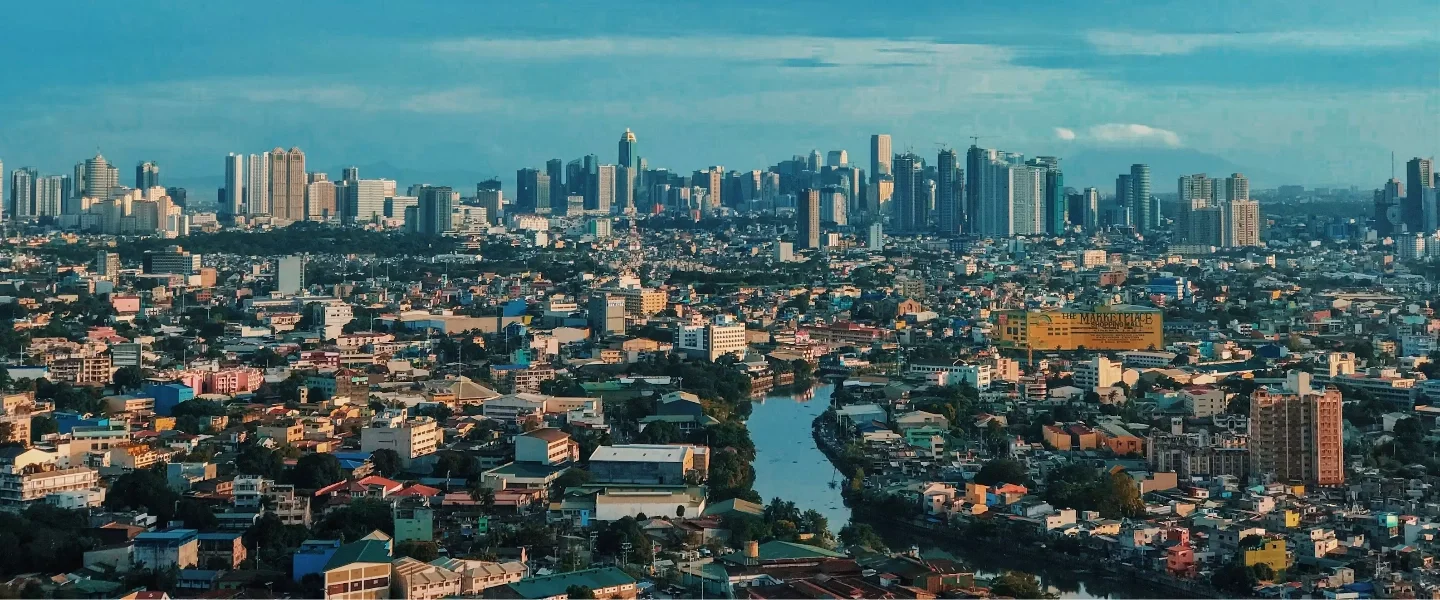
Manila Right Now
Air quality is moderate to unhealthy for sensitive groups due to lingering haze from a landfill fire earlier this year and general urban pollution.
HOKA Midnight Run Asia 2026 - Manila · SM by the BAY, Seaside Boulevard, Pasay
XG 2nd World Tour · SM Mall of Asia Arena, Pasay
Interest in travel to Manila remained about the same as a year ago, suggesting demand is holding steady.
Best time to visit
Off-season🌧️Southwest monsoon🌀Typhoon season🌊Urban flooding
Frequent rain, overcast skies and occasional storm systems make this one of the least convenient months for exploring.
SCORE BY MONTH
December through February is the sweet spot for Manila, with drier weather, lower humidity and the most comfortable conditions for exploring the city on foot. March and April stay mostly dry but feel noticeably hotter. Avoid July through September if possible, when monsoon rain, flooding and occasional typhoons can disrupt transport and outdoor plans. Christmas and New Year bring some of the year’s biggest crowds, so book accommodation early if you’re visiting then.
Visitor data: Estimated from seasonal travel patterns 2026
Day-to-day in Manila
Walkability
39/100
Manila is difficult to explore on foot outside a few modern districts. Makati and BGC are manageable for daily errands, but broken pavements, long crossings and heavy traffic make walking frustrating elsewhere.
Pavements are often broken, blocked or disappear entirely outside business districts.
Makati and BGC cover daily needs on foot, but most districts do not.
Heavy traffic, poor crossings and drivers ignoring pedestrians create constant risk.
Climate works against walking for much of the year. Plan around weather windows.
-
Monthly cost
$1,419 / month
AFFORDABLESolo mid-range stay including rent, daily eating out, groceries, and routine costs.
-
FOOD AND MARKETS
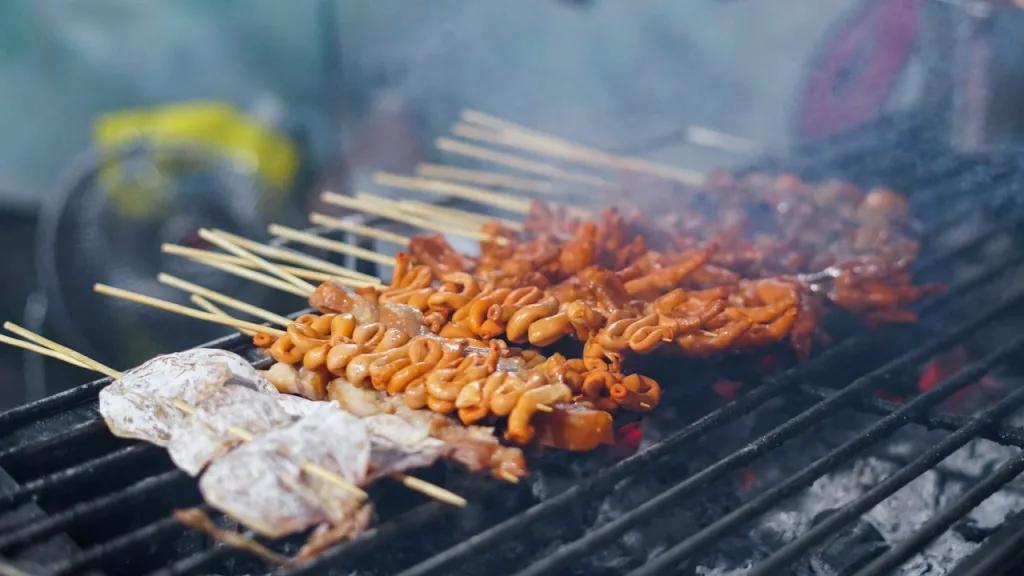
Food is a big part of daily life in Manila, especially around Binondo and the city's evening street food markets. Expect local favourites like isaw, kwek-kwek and balut alongside regional dishes from across the Philippines.
-
Coworking
$165 / month
AFFORDABLEMost coworking spaces are concentrated in Makati and BGC, where many remote workers base themselves. Spaces like KMC Solutions and Clock In offer reliable internet, air conditioning and flexible desk options.
-
Gym
$33 / month
VERY AFFORDABLEIf you're staying in Makati or BGC, finding a decent gym is easy. Fitness First, Anytime Fitness and Gold's Gym all have branches across the city, alongside smaller strength and boutique fitness studios.
Need to Know
- Population
- 13,484,462 PSA · 2020 Census
- Currency
- Philippine peso (PHP)
- Language
- Filipino and English; English is widely spoken throughout Manila
- Tap water
- Not safe
- Time zone
- PHT (UTC+8)
- Power plug
- Type A / B / C, 220V
- Dialling code
- +63
- Driving side
- Right
- Tipping
- A 10% service charge is common; rounding up or leaving a small tip for good service is appreciated.
- Internet
- Fast and reliable in most of Manila, with widespread 4G and 5G coverage and fibre internet in many hotels and cafes.
- Emergency
- 911 (all services), 117 (police), 143 (Philippine Red Cross)
When not to go
-
Avoid Christmas traffic season
Sep – Dec · peaks DecSkip this period if your goal is efficient sightseeing. The Ber Months bring shopping crowds, company parties and some of the worst traffic of the year, turning simple journeys into multi-hour ordeals. Manila's biggest weakness becomes even more pronounced, and crossing the city for lunch can ruin an entire afternoon. Come earlier in the year or pick a destination where moving around is part of the fun rather than the challenge.
Go here instead:
- Bangkok Far easier to cross the city using rail transit.
- Singapore Compact, walkable districts with predictable transport.
Upcoming Events & Holidays
Upcoming events — next 30 days
On the horizon
Public holidays & observances — next 12 months
Dates are researched and checked, but events move. Always confirm with the official source before you book anything around them.
Getting To Manila
-
From Ninoy Aquino International Airport (MNL)
Primary international gateway, around 7 km from central Manila.
NAIA has four separate terminals with limited connections between them, so check your arrival terminal before arranging transport. Terminal 3 handles many international and domestic flights, while traffic into Makati, BGC or Manila can vary from under 30 minutes to well over an hour.
Direct flights to Manila
Serves 83 direct destinations, 59 international and 24 domestic, about 444 flights a day.
International 59- Hong Kong HKG Hong KongA AHK Air Hong Kong Limited
 Cathay Pacific
  Cebu Pacific Air
  China Airlines
  Ethiopian Airlines
  Hong Kong Express
  Philippine Airlines X XKY 20/day
 - Singapore SIN Singapore Cebu Pacific Air
 Korean Air Philippine Airlines
  Scoot
Scoot  Singapore Airlines 14/day
 - Taipei TPE Taiwan Cebu Pacific Air China Airlines
 EVA Air
  KLM Philippine Airlines
  Philippines AirAsia
  Starlux Airlines 13/day
 - Seoul ICN South Korea
 Asiana Airlines Cebu Pacific Air
  Jeju Air Korean Air Philippine Airlines 11/day
- Bangkok BKK Thailand Cebu Pacific Air Philippine Airlines
 Thai Airways International 9/day
 - Kuala Lumpur KUL Malaysia AirAsia Cebu Pacific Air
 Malaysia Airlines Philippine Airlines 7/day
 - Tokyo NRT Japan
 ANA Cebu Pacific Air
  Jetstar Japan Philippine Airlines 6/day
 - Guangzhou CAN China Cebu Pacific Air
 China Southern Airlines 5/day
 - Dubai DXB United Arab Emirates Cebu Pacific Air
 Emirates 5/day
 - Ho Chi Minh City SGN Vietnam Cebu Pacific Air Philippine Airlines
 VietJetAir
  Vietnam Airlines Philippines AirAsia 4/day
 - Da Nang DAD Vietnam Cebu Pacific Air Philippine Airlines Philippines AirAsia VietJetAir 4/day
- Hanoi HAN Vietnam Cebu Pacific Air Philippine Airlines Philippines AirAsia Vietnam Airlines 4/day
- Xiamen XMN China Philippine Airlines
 Xiamen Airlines 4/day
 - Osaka KIX Japan Cebu Pacific Air Jetstar Japan Philippine Airlines 4/day
- San Francisco SFO United States Philippine Airlines
 United Airlines 4/day
 - Doha DOH Qatar Philippine Airlines
 Qatar Airways 3/day
 - Shanghai PVG China Cebu Pacific Air
 China Eastern Airlines Philippine Airlines 3/day
 - Los Angeles LAX United States Philippine Airlines 3/day
- Bali DPS Indonesia Cebu Pacific Air Philippine Airlines 3/day
- Quanzhou JJN China Philippine Airlines Xiamen Airlines 3/day
- Sydney SYD Australia Cebu Pacific Air Philippine Airlines
 Qantas 3/day
 - Taipa MFM Macau
 Air Macau Cebu Pacific Air Philippines AirAsia 3/day
 - Riyadh RUH Saudi Arabia Cebu Pacific Air Philippine Airlines
 Saudi Arabian Airlines 1-2/day
 - Guam GUM Guam Philippine Airlines United Airlines 1-2/day
- Abu Dhabi AUH United Arab Emirates
 Etihad Airways 1-2/day
 - Brisbane BNE Australia Philippine Airlines Qantas 1-2/day
- Kaohsiung City KHH Taiwan Cebu Pacific Air China Airlines Philippines AirAsia 1-2/day
- Tokoname NGO Japan Cebu Pacific Air Philippine Airlines 1-2/day
- Beijing PEK China
 Air China Philippine Airlines 1-2/day
 - Vancouver YVR Canada
 Air Canada Philippine Airlines 1-2/day
 - Fukuoka FUK Japan Cebu Pacific Air Philippine Airlines 1-2/day
- Jakarta CGK Indonesia Cebu Pacific Air Philippine Airlines 1-2/day
- Melbourne MEL Australia Cebu Pacific Air Philippine Airlines 1-2/day
- Shenzhen SZX ChinaS SF Airlines
 Shenzhen Airlines 1-2/day
 - Port Moresby POM Papua New GuineaA Air Niugini Philippine Airlines ~1/day
- Tokyo HND Japan
 Japan Airlines ~1/day
 - Bandar Seri Begawan BWN Brunei Cebu Pacific Air R Royal Brunei Airlines ~1/day
- Istanbul IST Türkiye
 Turkish Airlines ~1/day
 - Jeddah JED Saudi Arabia Saudi Arabian Airlines ~1/day
- Manama BAH BahrainG Gulf Air~1/day
- Muscat MCT OmanO Oman Air~1/day
- Nanning NNG ChinaR Royal Air Charter~1/day
- New Delhi DEL India
 Air India ~1/day
 - Honolulu HNL United States Philippine Airlines ~1/day
- Bangkok DMK Thailand Philippines AirAsia ~1/day
- Chongqing CKG China Air China Xiamen Airlines ~1/day
- Perth PER Australia Jetstar Philippine Airlines ~1/day
- Seattle SEA United States Philippine Airlines ~1/day
- Koror ROR Palau Philippine Airlines United Airlines 5/week
- Fuzhou FOC ChinaC China Postal Airlines Xiamen Airlines 5/week
- Kota Kinabalu BKI Malaysia Philippines AirAsia 5/week
- Kuwait City KWI Kuwait
 Kuwait Airways 5/week
 - Toronto YYZ Canada Philippine Airlines 4/week
- Chengdu TFU China Air China 3/week
- New York JFK United States Philippine Airlines 3/week
- Yiwu YIW ChinaC China Postal Airlines3/week
- Phnom Penh KTI Cambodia PAL Express and Airphil Express 2/week
- Hangzhou HGH China Xiamen Airlines 1/week
- Seletar XSP SingaporeR RPC1/week
Within Philippines 24
- Lapu CEBA AHK Air Hong Kong Limited Cebu Pacific Air PAL Express and Airphil Express Philippine Airlines Philippines AirAsia 36/day
- Malay MPH Cebu Pacific Air PAL Express and Airphil Express Philippine Airlines Philippines AirAsia 28/day
- Davao City DVO Cebu Pacific Air PAL Express and Airphil Express Philippine Airlines 28/day
- Zamboanga City ZAM Cebu Pacific Air PAL Express and Airphil Express Philippine Airlines Philippines AirAsia 20/day
- Bacolod City BCD Cebu Pacific Air PAL Express and Airphil Express Philippine Airlines Philippines AirAsia 20/day
- Iloilo City ILO Cebu Pacific Air PAL Express and Airphil Express Philippine Airlines Philippines AirAsia 19/day
- Cagayan de Oro CGY Cebu Pacific Air Philippine Airlines Philippines AirAsia 19/day
- Tacloban City TAC Cebu Pacific Air PAL Express and Airphil Express Philippine Airlines Philippines AirAsia 18/day
- Legazpi DRP Cebu Pacific Air PAL Express and Airphil Express Philippine Airlines 11/day
- Butuan City BXU Cebu Pacific Air PAL Express and Airphil Express Philippine Airlines 10/day
- Puerto Princesa PPS Cebu Pacific Air PAL Express and Airphil Express Philippine Airlines Philippines AirAsia 10/day
- Dumaguete DGT Cebu Pacific Air PAL Express and Airphil Express Philippine Airlines 8/day
- General Santos GES Cebu Pacific Air PAL Express and Airphil Express Philippine Airlines 7/day
- Roxas City RXS Cebu Pacific Air PAL Express and Airphil Express Philippine Airlines Philippines AirAsia 5/day
- Laoag City LAO Cebu Pacific Air PAL Express and Airphil Express Philippine Airlines 5/day
- Tuguegarao City TUG Cebu Pacific Air PAL Express and Airphil Express Philippine Airlines 5/day
- Kalibo KLO Cebu Pacific Air Philippines AirAsia 4/day
- Pagadian City PAG Cebu Pacific Air 3/day
- Cauayan City CYZ Cebu Pacific Air PAL Express and Airphil Express Philippine Airlines 3/day
- Dipolog City DPL Cebu Pacific Air PAL Express and Airphil Express Philippine Airlines 3/day
- Ozamiz OZC Cebu Pacific Air Philippine Airlines 3/day
- Cotabato City CBO PAL Express and Airphil Express Philippine Airlines 1-2/day
- Virac VRC Cebu Pacific Air ~1/day
- Angeles City CRKX XKY1/week
Nonstop routes only. Flights per day are an average, each way. Data: AeroDataBox, updated July 2026.
Visa rules apply at the country level. See visa advice for The Philippines. -
-
From Clark International Airport (CRK)
Secondary international gateway, around 80 km north of Manila.
Clark is a modern airport used by a growing number of international and domestic routes. It is often less congested than NAIA, but reaching Metro Manila usually takes between 1.5 and 3 hours depending on traffic and destination.
Safety Advice
Traffic is the biggest risk in Manila, especially for pedestrians and anyone considering a scooter. Petty theft, phone snatching and taxi scams happen in busy areas, while heavy rain can cause serious flooding and transport disruption during the monsoon season.
Common Scams
-
Distraction Pickpocketing
HIGH RISKTrigger:Someone bumps into you in a crowded area
Pickpockets operate in busy markets, transport hubs and crowded shopping districts. Phones, wallets and passports are the usual targets.
How to avoid: Keep valuables in front pockets or zipped bags and stay alert in crowded places.
-
ATM Skimming
HIGH RISKTrigger:An ATM has loose parts or unusual attachments
Criminals occasionally install skimming devices and hidden cameras to capture card details and PINs. Victims may discover fraudulent withdrawals days later.
How to avoid: Use ATMs inside bank branches or shopping malls, inspect the machine first and cover the keypad while entering your PIN.
-
Taxi Meter Manipulation
MEDIUM RISKTrigger:A driver quotes a fare instead of using the meter
Around NAIA airport and transport hubs, some drivers refuse the meter, claim it is broken or take longer routes to inflate the fare. Foreign visitors are frequent targets.
How to avoid: Use Grab, JoyRide or inDrive where possible. If taking a street taxi, insist the meter is running before the trip starts.
-
Kalesa Overcharging
MEDIUM RISKTrigger:A kalesa driver avoids discussing the full fare
In Intramuros, some carriage drivers start the ride without agreeing on a price, then demand far more than expected at the end.
How to avoid: Agree on the total fare and route before boarding. Walk away if the driver will not give a clear price.
-
Fake Money Changers
MEDIUM RISKTrigger:A stall advertises a rate far above competitors
Some exchange booths use misleading calculations or short-count cash during the handover. The loss may not be obvious until you leave.
How to avoid: Use banks, shopping mall money changers or established exchange counters, and count the money before leaving.
-
Attraction Is Closed
LOW RISKTrigger:A driver says your destination is closed today
A tout or driver claims an attraction is closed and redirects you to a shop, tour or business that pays them a commission.
How to avoid: Check opening hours yourself and continue to the original destination unless staff at the attraction confirm otherwise.
Mistakes to Avoid
-
Drinking Tap Water
SERIOUS CONSEQUENCETap water may be treated in Metro Manila, but pipe quality varies and stomach problems are common among visitors. Outside Manila, tap water is often unsafe to drink.
Fix: Use bottled, filtered or properly treated water for drinking and brushing your teeth if you have a sensitive stomach.
-
Disregarding Drug Laws
SERIOUS CONSEQUENCEThe Philippines has strict drug laws, including for cannabis and THC products that may be legal elsewhere. Arrest, imprisonment, fines and deportation are possible consequences.
Fix: Do not bring marijuana, THC, CBD or any illegal drugs into the country.
-
Carrying Valuables Openly
SERIOUS CONSEQUENCEDisplaying expensive phones, cameras or jewellery attracts unwanted attention in crowded areas and on public transport.
Fix: Keep valuables out of sight and use a secure bag when moving around the city.
-
Not Planning For Traffic
MINOR CONSEQUENCETraffic in Manila can turn a short journey into a trip lasting several hours, especially during weekday rush hours. Visitors regularly miss tours, meetings and flights because they underestimate travel times.
Fix: Leave early, check live traffic conditions and avoid scheduling tight connections across the city.
-
Ignoring Local Dress Codes
Wearing revealing clothing in churches and religious sites can cause offence and may result in being refused entry.
Fix: Carry clothing that covers shoulders and knees when visiting churches or religious landmarks.
-
Blocking Public Transport Exits
Standing in doorways or blocking aisles on jeepneys and trains slows boarding and is considered rude by local passengers.
Fix: Move inside the vehicle, keep bags close and allow passengers to exit before boarding.
Money & Payments
Carry cash for markets and transport, use cards in malls and hotels, and always pay in PHP to avoid DCC.
-
Cash Still Matters
Cash is still needed for jeepneys, tricycles, street food and many small businesses. Carry smaller notes like ₱20, ₱50 and ₱100, as breaking a ₱1,000 note can be difficult for low-value purchases.
-
Cards Work In Malls
Visa and Mastercard are widely accepted in Manila's malls, chain restaurants, hotels and supermarkets. Smaller businesses may be cash-only, and some merchants add a surcharge for card payments.
-
ATM Fees And Limits
BDO, BPI and Metrobank ATMs are easy to find across Manila. Foreign cards often incur a local fee of around ₱250 (USD 4), while HSBC ATMs are known for higher withdrawal limits and may not charge a local ATM fee.
-
Decline Currency Conversion
If an ATM or card terminal offers to charge your card in your home currency, decline it. Choose Philippine pesos instead to avoid poor exchange rates and extra fees.
-
GCash And Maya
GCash and Maya are the dominant local payment apps, but most visitors cannot easily use them without local registration requirements. Contactless Visa and Mastercard payments are increasingly common in major shopping centres and chain stores.
-
Skip Airport Exchange
Currency exchange counters at NAIA airport often offer weaker rates than money changers in Makati, BGC or major shopping malls.
-
Travel Tax Rules
Most foreign tourists staying less than one year are exempt from the Philippine Travel Tax on international departures. If applicable, the tax is often included in the airline ticket price.
-
International Transfers
To send money to a bank account in The Philippines, for things like rent or day-to-day expenses, services like Wise or Remitly usually offer better rates than traditional banks and faster delivery.
You'll typically need the recipient's full name, account number, and SWIFT/BIC code. Some banks may also require a local address.
Costs in Manila
A comfortable mid-range stay in Manila usually runs about $60-120 per day, with most of your budget going toward accommodation and getting around the city’s traffic. Day-to-day costs are reasonable, but hotel prices can jump sharply around Christmas, New Year and major holidays when domestic travel peaks.
Save money?
Sign up for our guide on how to save money on your next trip.
SIM Cards & Data
Best option for most travellers: an eSIM you set up before you arrive. You'll be online the moment you land, with no airport queue and no tourist pricing.
Travel eSIMs Connect the second you land. Zero hassle. Skip the airport queue and paperwork. Activate before you fly and land connected. Find the best eSIM →Prefer a local SIM?
Physical SIM cards are easy to buy at Ninoy Aquino International Airport and in shopping malls across Metro Manila. You'll need your passport to register the SIM, which is required by law. Both Smart and Globe offer strong 4G and growing 5G coverage across Manila and other major cities in the Philippines.
What Manila is Like
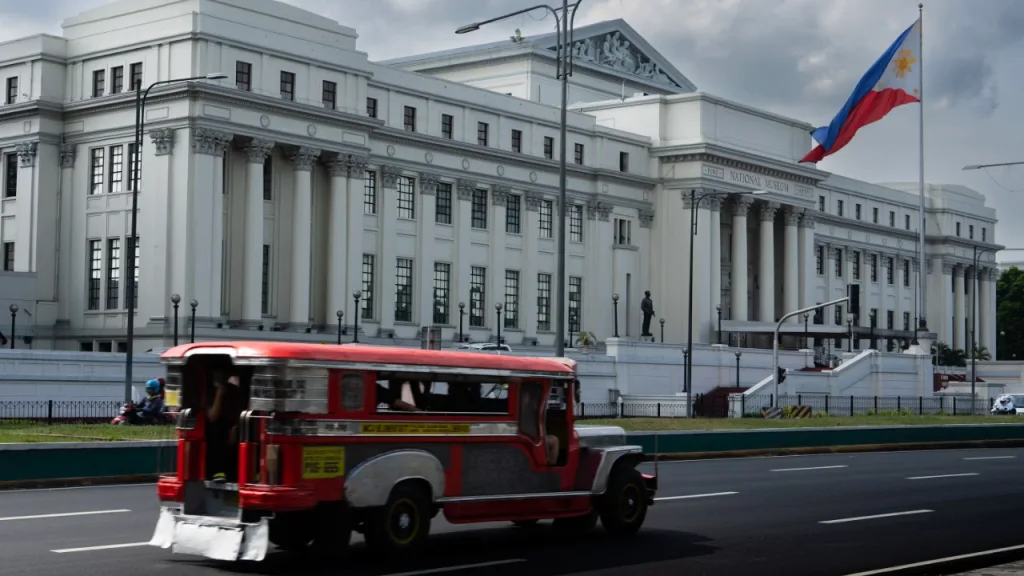
Stepping out into the thick, humid air of the capital reveals a metropolis that rarely makes a good first impression. Most travellers arrive here on their way to beaches and volcanoes, but staying a few days exposes layers of history that are easy to miss from an airport transfer. In Intramuros, Spanish-era walls and quiet courtyards sit beside jeepney routes and traffic-choked roads. The old core remains the best place to understand how the city developed, where wartime scars, churches, universities and government buildings still shape daily life. It is not a preserved historic district. People live and work here.
Food is one of the strongest arguments for staying longer than planned. In Binondo, one of the world's oldest Chinatowns, crowded bakeries, noodle shops and family-run restaurants serve dishes that reflect generations of Chinese and Filipino influence. Elsewhere, a serious eating culture stretches from hole-in-the-wall barbecue joints to ambitious tasting menus in Makati. The best meals are often found in places that look completely unremarkable from the street. Manila rewards appetite more than sightseeing efficiency.
Moving into Makati or Bonifacio Global City feels like entering a different city altogether. Glass towers rise above wide avenues, security guards stand outside every building, and giant shopping malls function as the closest thing Manila has to a shared public square. It is easy to dismiss these districts as generic corporate zones, but they reveal a great deal about how urban life works here. Families spend entire afternoons in malls, teenagers meet there after school, and office workers treat them as extensions of the street. The contrast with districts such as Tondo or Malate is impossible to ignore.
This environment is decisively not for anyone seeking a relaxed, walkable city break. Gridlock is a permanent feature rather than a rush-hour problem, and a short journey can consume an entire afternoon. Diesel fumes, construction noise, security checkpoints and endless traffic create a level of friction that many visitors find exhausting. If your ideal city experience involves wandering for hours on quiet streets or relying on efficient public transport, frustration arrives quickly. Manila demands patience.
What redeems the chaos is an exceptional live music scene and a population that remains remarkably easy to talk to. Sitting in a crowded bar in Poblacion over local beer and a plate of sizzling sisig often leads to conversations with complete strangers, something that feels less common in regional hubs such as Bangkok. The humour is quick, self-deprecating and often delivered in flawless English. Manila works best when you stop treating it like a checklist of attractions and start treating it like a place to spend time. The city is at its best after you stop trying to conquer it.
Christmas in September
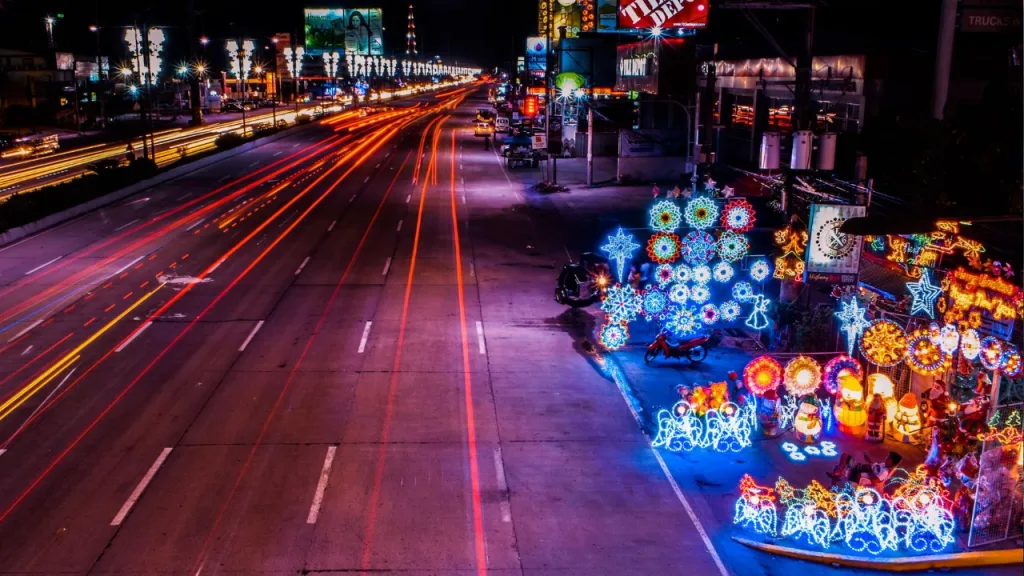
As soon as September arrives, Manila starts preparing for Christmas. This period, known locally as the Ber Months, stretches from September through December and shapes daily life long before the holidays actually arrive. Walk through Makati, Ortigas or the major malls along EDSA and you'll hear Christmas songs playing while giant decorations appear beside swaying palm trees. What sounds like a joke to outsiders is taken completely seriously by locals. For visitors, it means arriving in a city that is already in holiday mode months before Christmas Day.
The biggest impact is on traffic. Manila is already difficult to move around, but the final months of the year bring heavier shopping crowds, company parties and packed malls. Journeys that are merely slow during other parts of the year can become painfully unpredictable, especially on weekday afternoons and weekends. Restaurants fill up faster, ride-hailing waits increase, and crossing the city for a single activity often stops being worth the effort. Staying within one area for most of the day becomes a sensible strategy.
What keeps the season from feeling like pure inconvenience is the atmosphere on the ground. Parols, the traditional star-shaped lanterns associated with Filipino Christmas celebrations, appear in homes, offices and shopping centres across the city. Around dawn, food stalls outside churches sell seasonal favourites like puto bumbong and bibingka to worshippers heading home from Mass. Even visitors with little interest in religion quickly notice how important Christmas is here. The Ber Months offer one of the clearest windows into Filipino family life, community traditions and the rhythms that shape the city beyond its traffic.
Areas of Manila
- History, culture, heritage
Intramuros
Intramuros offers something no other Manila district can. Staying inside the old walled city puts Spanish-era churches, Fort Santiago and quiet stone streets outside your door before the day-trippers arrive. The trade-off is a limited hotel and dining scene once evening comes. Most visitors explore it for a day rather than use it as a base.
Good for: History, photography, heritage walks, slower sightseeing.
Skip if: You want nightlife, shopping or a large choice of restaurants.
- Food, Chinatown, culture
Binondo
Binondo is less about sightseeing than eating. Staying here puts you in the middle of old Chinese-Filipino Manila, surrounded by bakeries, noodle houses, markets and family-run restaurants that have operated for generations. Streets are crowded, traffic is relentless and walking requires patience. Food lovers usually decide the trade-off is worth it.
Good for: Food exploration, Chinatown culture, local urban life.
Skip if: You want quiet streets or modern surroundings.
- Casinos, airport, waterfront
Entertainment City
Entertainment City is Manila's answer to the integrated resort districts found elsewhere in Asia. Massive casino resorts, convention centres, concert venues and Mall of Asia dominate the area, while the airport sits nearby. It feels detached from everyday Manila and lacks much street life outside the complexes themselves. That is either the appeal or the drawback.
Good for: Casino resorts, concerts, airport convenience, short stopovers.
Skip if: You want historic neighbourhoods or a local street atmosphere.
- Museums, history, central
Ermita
Ermita places you close to Rizal Park, the National Museum complex and Manila Bay. The area feels older and rougher around the edges than Makati or BGC, but it offers easier access to many of the city's historic sights. Robinsons Place acts as the area's practical centre for shopping and dining. Location is the main reason to stay here.
Good for: Museums, history, sightseeing, central location.
Skip if: You want a polished district with modern urban planning.
- Nightlife, local life, heritage
Malate
Malate was Manila's backpacker and nightlife centre long before Poblacion became fashionable. The district still has live music venues, local restaurants and a more lived-in feel than the business districts, although parts of it show their age. It can feel chaotic, noisy and uneven from one block to the next. Some travellers enjoy that reality more than the polished alternatives.
Good for: Nightlife, local atmosphere, longer urban stays.
Skip if: You want clean streets and a predictable environment.
- Business, shopping, dining
Makati
Makati remains the easiest part of Manila for most first-time visitors. Greenbelt, Glorietta and the surrounding business district give you a rare chance to walk between restaurants, bars and shopping centres without constantly fighting traffic. Parts of it feel polished to the point of being detached from the rest of the city, but that convenience has real value in Manila. Base yourself here if you want fewer logistical headaches.
Good for: First visits, business trips, dining, comfortable city stays.
Skip if: You want historic character or a more local side of Manila.
- Modern city, families, walkability
Bonifacio Global City (BGC)
Bonifacio Global City feels more like a planned business district than traditional Manila. Wide pavements, public art, parks and Bonifacio High Street make it one of the few areas where walking is genuinely practical. Some travellers find it sterile, others find it a relief after the chaos elsewhere in the metro. It depends what you came for.
Good for: Families, remote workers, modern comforts, easy walking.
Skip if: You want old Manila, street markets or historic character.
- Nightlife, food, bars
Poblacion
Poblacion is where many younger travellers end up even when they book elsewhere. Former residential streets are now packed with cocktail bars, rooftop venues, late-night eateries and small creative businesses, all within walking distance of each other. It is one of the few neighbourhoods in Manila where exploring on foot still works after dark. Sleep quality depends heavily on your street.
Good for: Nightlife, food crawls, social trips, short stays.
Skip if: You want quiet evenings or early nights.
- Business, nightlife, central
Ortigas
Ortigas sits between Manila's older districts and the business centres of Makati and BGC. The area revolves around office towers, large shopping malls and a growing collection of hotels that are often overlooked by international visitors. It lacks the personality of Poblacion or Binondo but works well as a practical base. Location is its strongest asset.
Good for: Business trips, shopping, central access across Metro Manila.
Skip if: You want historic sights or a distinctive neighbourhood feel.
Frequently Asked Questions
Planning & moving around
-
How many days should a traveller spend in Manila?
Two to three days is enough for most first-time visitors. That gives you time for Intramuros, Binondo, a few good meals and an evening in Makati or Poblacion without spending your entire trip in traffic. Manila works best as a city to experience rather than a city to tick off.
-
What is the most reliable way to get around Manila?
Grab is the default choice for most visitors because prices are fixed and drivers are easier to track. Motorcycle taxi apps such as Angkas and JoyRide can save significant time when roads are gridlocked. Street taxis still exist, but many travellers prefer app-based rides to avoid fare disputes.
-
What are the most popular day trips from Manila?
Tagaytay remains the most common escape thanks to its cooler climate and views of Taal Volcano. Corregidor appeals to travellers interested in wartime history. Traffic can significantly extend journey times, especially on weekends and public holidays.
-
What is the digital nomad scene like in Manila?
Manila attracts remote workers who value widespread English usage, large coworking spaces and modern apartment towers. Areas around Makati and Bonifacio Global City have reliable internet and strong cafe culture. Most nomads still choose places such as Chiang Mai or Bali for longer stays because they are easier to navigate and offer a better lifestyle balance.
-
What is the most common mistake first-time visitors make in Manila?
Trying to see too much in a single day. Distances on the map look manageable, but traffic often turns a simple cross-city trip into a major time commitment. Pick one area per day and explore it properly.
Safety & medical
-
Is Manila safe for travellers at night?
Safety depends heavily on where you are. Bonifacio Global City, Salcedo Village, Legazpi Village and much of central Makati stay busy and well-lit late into the evening. Older parts of Malate, Ermita and quieter streets around the port require more caution after dark, and most visitors rely on Grab rather than walking long distances.
-
What are the most common scams to avoid in Manila?
Taxi overcharging remains the most common tourist complaint, especially around the airport and transport hubs. Kalesa drivers in Intramuros sometimes quote vague prices and demand more at the end of the ride. Using Grab and agreeing on prices before accepting a service removes most of the hassle.
-
Can you safely drink the tap water in Manila?
Most visitors stick to bottled or filtered water. Large hotels, restaurants and cafes generally use filtered water and commercially produced ice, but drinking straight from the tap is not recommended. Even many locals prefer purified water for daily drinking.
Laws & local norms
-
What etiquette mistakes should travellers avoid in Manila?
Public confrontations rarely achieve much. Raising your voice at staff, drivers or service workers often creates embarrassment rather than solving the problem. A calm approach usually gets better results, even when things are moving slowly.
-
Is there a specific dress code for churches in Manila?
Major churches such as Manila Cathedral and Quiapo Church expect modest clothing. Shorts and sleeveless tops are not always prohibited, but dressing too casually can attract unwanted attention or occasional requests to cover up. Lightweight clothing that covers shoulders and knees avoids most issues.
-
What are LGBTQ+ rights like on the ground in Manila?
Manila is generally one of the more socially accepting large cities in Southeast Asia, particularly in younger and urban communities. Same-sex marriage is not legally recognised, but visitors rarely encounter problems in districts such as Makati, BGC or Poblacion. More conservative attitudes still exist in some settings and among older generations.
Money & costs
-
Is it better to use cash or credit cards in Manila?
Use both. Cards work well in malls, hotels, supermarkets and many restaurants, especially in Makati and Bonifacio Global City. Cash is still useful for markets, smaller eateries, jeepneys and occasional places that do not accept foreign cards.
-
What is the tipping etiquette in Manila restaurants?
Many mid-range and upscale restaurants already include a service charge, often around ten percent. If service charge is included, extra tipping is optional. If it is not included, rounding up or leaving a small tip is appreciated but not expected.
Culture & etiquette
-
What does almost every tourist get wrong about Manila?
Many visitors assume Manila is simply a gateway to the islands. The reality is that it is one of the country's most interesting food, music and cultural destinations, but only if you accept the traffic and urban chaos that come with it. Travellers who treat it as a place to spend time rather than conquer usually enjoy it far more.
Food & drink
-
Where do locals go to eat authentic food in Manila?
Binondo is the obvious starting point, with old bakeries, noodle houses and Chinese-Filipino restaurants packed into a few streets. Poblacion and parts of Makati are better for modern Filipino cooking and younger chef-driven projects. Some of the city's best meals come from places that look completely ordinary from the outside.
Families & kids
-
Is Manila a good destination for families with young children?
It can work, but it is not one of Southeast Asia's easiest family destinations. Heat, traffic, pollution and uneven pavements make moving around with a stroller tiring. Families generally have the smoothest experience staying in Bonifacio Global City, where parks, malls and medical facilities are close together.
Staying longer
-
What are the best neighborhoods to stay in Manila?
Makati offers the best balance of restaurants, transport options and relative walkability, especially around Salcedo Village and Legazpi Village. Bonifacio Global City is cleaner, easier to navigate and popular with families, though it can feel detached from the rest of Manila. Poblacion suits travellers who want nightlife and food within walking distance.
After dark
-
Where are the best nightlife areas in Manila?
Poblacion is the centre of Manila's independent bar scene, with everything from rooftop cocktails to tiny live music venues. Bonifacio Global City leans toward larger clubs, restaurants and polished nightlife spaces. Malate still has nightlife, but it attracts a different crowd and feels noticeably rougher than it once did.
-
What should travellers expect around P. Burgos?
P. Burgos Road in Makati is Manila's best-known red-light district, with bars, adult entertainment venues and persistent touts concentrated along a few blocks. It is easy to avoid if it is not your scene, and most of Poblacion feels completely different. The area is busiest after dark and rewards a bit of common sense.